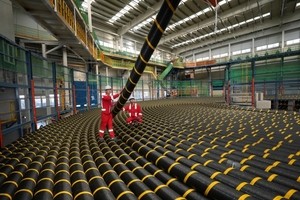
![▲세계 최대 규모의 원자력 산업 그룹 가운데 하나인 러시아의 로사톰(ROSATOM·러시아 국가원자력공사)이 홈페이지에 올려놓은 원전 프로젝트의 홍보이미지. [로사톰 홈페이지]](https://wimg.heraldcorp.com/news/cms/2026/05/27/news-p.v1.20260517.6c415082207d48e0a0b08663f65831f0_P1.jpg)

과도하게 큰 경제적 충격
2월 말 시작된 미국과 이스라엘의 이란 공격은 세계에서 가장 전략적으로 중요한 해상 요충지 가운데 하나인 호르무즈 해협을 사실상 봉쇄하는 결과를 낳았다. 미국 에너지정보청(EIA)에 따르면 2024년 호르무즈 해협을 통과한 원유와 액화천연가스(LNG)의 80% 이상이 아시아로 향했다. 해운이 사실상 중단되면서 발생한 석유·가스 공급 감소와 가격 상승은 동아시아에 특히 큰 충격을 안겼다.
이 충격은 역내 국가마다 다르게 나타나고 있으며, 중국은 다른 국가들보다 비교적 유리한 위치에 있다. 첫째, 중국은 적극적인 공급선 다변화 전략과 경제의 빠른 전기화 덕분에 다른 동아시아 국가들만큼 걸프 지역의 석유·가스 수입에 의존하지 않는다. 둘째, 중국은 상업용 및 전략 비축유를 통해 충격을 견뎌낼 수 있었다.
에너지 자급률이 15.3%에 불과한 일본 역시 취약하지만, 상당한 규모의 원유 비축량을 활용할 수 있으며 중동산 가스 의존도도 크게 낮췄다. 한국의 경우 화석연료 의존이라는 취약성이 존재하지만, 이미 보다 다변화되고 효율적이며 재생에너지 중심의 에너지 체계로 전환을 추진하고 있다.
의심할 여지 없이 가장 큰 타격을 받은 곳은 동남아시아 경제권이다. 이 지역은 석유·가스 수요의 절반 이상을 걸프 지역 수입에 의존한다. 동남아시아는 하루 200만 배럴의 원유를 생산하지만 일일 수요는 500만 배럴에 달해 부족분을 수입으로 충당해야 한다. 브루나이를 제외한 모든 국가가 원유 순수입국이며, 태국과 싱가포르는 주요 가스 수입국이다. 필리핀은 원유 수입의 95%를 걸프 지역에 의존하고 있어 특히 취약하다. 싱가포르와 태국의 경우에는 전력 생산에서 가스 비중이 높기 때문에 가스 부족의 타격이 특히 크다.
석유 공급과 해운 차질은 여러 경로를 통해 동남아 경제에 영향을 미친다. 유가 상승은 운송 부문과 농업·어업 같은 운송 의존 산업에 충격을 주며, 여러 국가가 크게 의존하는 관광산업에도 악영향을 미친다.
더 중요한 것은 유가 상승이 생활비에 직접적인 영향을 준다는 점이다. 특히 여전히 취사용 등유를 널리 사용하는 저소득층의 부담이 크다. 인도네시아를 비롯한 몇몇 국가는 연료 보조금을 통해 서민층의 부담을 완화하려 하고 있다. 그러나 유가 상승으로 보조금 부담이 커지면 재정수지가 악화되고 국가 신용등급까지 위험해질 가능성이 있다. 또한 근무일 단축과 같은 에너지 절약 조치는 경제활동과 성장세를 더욱 위축시킬 수 있다.
글로벌 가치사슬과 국제무역의 혼란 역시 무역 의존도가 높은 동남아시아에 심각한 파장을 미친다. 헬륨과 같은 가스 관련 핵심 원자재 부족도 기술 공급망에 부정적 영향을 주고 있다.
중동은 비료 생산의 핵심 제조 허브이기도 하며, 전 세계 비료 수출의 3분의 1이 호르무즈 해협을 통과한다. 비료 부족은 동남아시아의 식량 위기를 촉발할 위험이 있으며, 이는 경제적 어려움을 더욱 심화시킬 수 있다. 특히 식료품 지출 비중이 높은 저소득 국가일수록 타격이 더 크고, 그 가운데서도 저소득층이 가장 큰 피해자가 될 가능성이 높다.
동남아시아에 중요한 또 다른 문제는 중동 전역에서 일하는 수백만 명의 동남아 출신 이주 노동자들이다. 특히 필리핀과 인도네시아 출신 노동자들이 본국으로 보내는 송금은 자국 경제에 매우 중요하다.
이 같은 여러 경로를 통해 역내 성장세는 상당히 둔화될 것으로 예상된다. 설령 호르무즈 해협이 향후 몇 주 안에 다시 개방된다 하더라도 걸프 국가들의 석유·가스 시설이 입은 피해 때문에 빠른 회복은 어려울 가능성이 크다. 동남아 경제가 입은 상처는 분쟁 종료 이후에도 오래 지속될 것으로 보인다.
![미하일 미슈스틴(오른쪽) 러시아 총리가 지난 3월 23일 모스크바에서 팜 민 찐 베트남 총리와 베트남 내 원자력발전소 건설 협력 협정 서명식에 참석해 악수를 하고 있다. [로이터]](https://wimg.heraldcorp.com/news/cms/2026/05/27/news-p.v1.20260517.e85189cab9ac489fb9bea9ef3e784bd7_P1.jpg)
단기적으로는 숨겨진 기회도 없다
“모든 위기는 기회다” 혹은 “전화위복”이라는 오래된 말이 있다. 이번 사태에서도 에너지 위기가 녹색 전환을 가속화하는 강력한 동인이 될 수 있다는 주장이 가능하다. 일본과 한국처럼 이미 관련 조치를 취해온 일부 선진국에는 이런 논리가 적용될 수 있다. 그러나 동남아시아의 현실은 훨씬 복잡하다.
이번 위기는 동남아 국가들이 화석연료에서 벗어나 재생에너지와 친환경 에너지로 전환하도록 돕기는커녕, 단기적으로는 오히려 석탄화력 발전으로 되돌아가게 만들었다. 이는 기존의 탄소배출 감축 약속을 흔드는 결과로 이어지고 있다. 예를 들어 인도네시아는 석탄 생산 확대를 추진하고 있으며, 태국은 폐쇄했던 석탄화력 발전소 2기를 재가동할 계획이다. 또한 동남아 국가들은 단기 해법으로 러시아산 석유와 비료에 의존하기로 했다. 실용적인 선택이긴 하지만 장기적으로는 위험한 결정이 될 수 있다.
당분간 이러한 모스크바와의 밀착은 정치적 재편의 신호라기보다 경제적 필요의 결과로 보는 것이 타당하다. 동남아 정부들은 자국 경제 이익을 보호하려 하고 있으며, 어느 한 강대국 편에만 서는 상황을 피하기 위해 매우 신중하게 움직이고 있다.
하지만 석유와 가스를 넘어 러시아는 장기적인 에너지 전환의 파트너로 자리매김하려 하고 있다. 예컨대 베트남과 말레이시아에 원자력 발전소 건설을 제안하고 있다. 역내 국가들이 재생에너지로 전환할수록 러시아의 민간 원자력 산업도 수혜를 입게 된다. 문제는 이러한 에너지 의존이 향후 러시아에 정치적 영향력을 제공할 수 있다는 점이다.
![▲이란 라라크섬 인근 호르무즈 해협에서 이란 국기가 바람에 펄럭이는 가운데 선박들이 정박해 있다. [로이터]](https://wimg.heraldcorp.com/news/cms/2026/05/27/news-p.v1.20260517.cb4d8465758145558e58b4da7d9691d9_P1.jpg)
앞으로는 정치적 도전도 더 커진다
이란 전쟁은 중국에도 자신을 안정적이고 실용적인 상업 파트너, 특히 에너지 안보 분야의 신뢰할 수 있는 협력국으로 내세울 기회를 제공하고 있다. 또한 중국은 동남아의 녹색 전환을 지원할 청정에너지 기술 공급자로서의 입지도 강화하려 한다.
동시에 트럼프 대통령 집권 아래 미국의 역내 영향력이 약화되고는 있지만, 위기의 충격이 어느 정도 진정되고 러시아산 원유 수입에 대한 예외 조치가 종료되면 동남아 국가들은 미국으로부터 다시 압박을 받을 가능성이 높다.
동남아 국가들은 여전히 두 강대국 어느 한쪽에 대한 의존 심화에 경계심을 갖고 있으며, 전통적인 헤징 전략을 유지하려 할 가능성이 크다.
그러나 위기 이후의 불안정한 상황은 이런 전략을 점점 더 어렵게 만들 것이다. 장기적으로 취약성을 줄이고 일정 수준의 자율성을 회복하는 유일한 길은 역내 협력 메커니즘을 강화하는 데 있다. 특히 식량 및 에너지 안보 분야에서의 협력이 중요하다.
5월 중순 필리핀이 개최한 최근 아세안 정상회의에서 나온 선언들은 올바른 방향을 가리키는 듯 보인다. 하지만 아세안의 경우 늘 그렇듯, 진정한 과제는 선언을 실제 행동으로 옮기는 데 있을 것이다.
![A promotional image of a nuclear power project posted on the website of Russia’s Rosatom (State Atomic Energy Corporation Rosatom), one of the world’s largest nuclear industry groups. [Rosatom website]](https://wimg.heraldcorp.com/news/cms/2026/05/27/news-p.v1.20260527.9c529cec59084cbea382a81748bda492_P1.jpg)

The Iran war: a multidimensional challenge for Southeast Asia
An oversized economic impact
The US and Israeli attacks on Iran that started the war in late February have led to the effective closure of the Strait of Hormuz, one of the world’s most strategically important maritime chokepoints. According to the US Energy Information Administration, more than 80 per cent of crude oil, and of liquefied natural gas passing through the Strait in 2024 was bound for Asia. The drop in oil and gas supplies and the rise in prices resulting from the virtual cessation of shipping have had an oversized impact on East Asia.
The impacts vary from one country to another within the region, with China in a more favorable position than the others. First, it is not as dependent on oil and gas imports from the Gulf as other East Asian countries thanks to an active diversification strategy and the accelerated electrification of its economy. Secondly, China has managed to weather the shock through commercial and strategic stockpiles.
At an energy sufficiency rate at just 15.3 per cent, Japan is also vulnerable, but it can resort to substantial crude oil reserves, and it has significantly reduced its gas dependence on the Middle East. As for Korea, despite its vulnerability to fossil fuel dependence, it is already engaged in a shift toward a more diversified, efficient and more renewable-led energy system.
Without a doubt Southeast Asian economies are the hardest hit. The region is dependent on imports from the Gulf for over half of its oil and gas needs. While it produces 2 million barrels of oil a day, its daily demand amounts to 5 million barrels, forcing it to import the remainder to meet its energy needs. Except for Brunei, all the others are net oil importers, while Thailand and Singapore are major gas importers. The Philippines are particularly exposed as 95 per cent of its crude oil imports come from the Gulf. As for Singapore or Thailand, the shortage of gas is particularly damaging as electricity there is widely gas generated.
The oil and shipping disruptions affect the economies in the region through a multiplicity of channels. The rise in oil prices impacts transport and many transport-dependent sectors, such as agriculture and fishing, but also the tourism industry on which several countries in the region are heavily dependent.
More importantly perhaps, the rise in oil prices directly affects the cost-of-living, especially for the lower classes who still widely use kerosene for cooking. Several countries in the region have sought to mitigate the rise in fuels prices for the lower classes by providing subsidies, with Indonesia as a case in point. But the growing burden of these subsidies due to rising oil prices is likely to have a negative impact on the fiscal balance, potentially putting the country’s credit rate at risk. Also, energy-saving measures such as the reduction in the working week may further depress economic activity and growth.
The disruption of global value chains and of international trade has severe repercussions for trade dependent Southeast Asia, and the shortage of some gas-related key inputs like helium also has a negative impact on tech supply chains.
The Middle East is also a major manufacturing hub for fertilizers and one third of the world’s fertilizer exports transit through the Hormuz strait. The shortage of fertilizers threatens to fuel a food crisis in Southeast Asia, further compounding the economic difficulties. Countries with a relatively modest level of income will be more severely hit because of the high percentage of revenue dedicated to food products, with lower classes of the population as the top victims.
At issue for Southeast Asia are also the millions of Southeast Asian migrants, particularly from the Philippines and Indonesia, who work across the Middle East, and send vital remittances back to their home-countries.
Through these many channels, regional growth can be expected to slow down significantly. And even if the Strait of Hormuz should reopen in the coming weeks, a quick recovery is unlikely due to the damage done to oil and gas facilities in the Gulf countries. The damage on Southeast Asian economies can undoubtedly be expected to outlast the conflict.
![Russian Prime Minister Mikhail Mishustin shakes hands with Vietnamese Prime Minister Pham Minh Chinh during a signing ceremony for an agreement on cooperation in the construction of a nuclear power plant in Vietnam, held in Moscow on March 23. [Reuters]](https://wimg.heraldcorp.com/news/cms/2026/05/27/news-p.v1.20260527.8124988c726a42e8b546777f9161238b_P1.jpg)
No hidden opportunities in the short-term
According to an old saying, every crisis is an opportunity, or a blessing in disguise. In the present case, one may argue that the energy crisis will provide a strong incentive to expedite the green transition. Although this may hold true for some advanced countries, like Japan and South Korea, which have already taken steps in this direction, for Southeast Asian economies, the reality is more complex. Far from helping them to transition away from fossil fuels and toward renewable and other green forms of energy, the current crisis has pushed them in the short term to return to coal-fired power, derailing their previous pledges to reduce carbon emissions. For instance, Indonesia plans to raise coal output, while Thailand will restart two decommissioned units at a coal-fired power plant. Also, as a short-term solution Southeast Asian countries have chosen to turn to Russia, both for oil and for fertilizers. Although pragmatic, such a move may prove to be risky in the longer term.
For the time being, this rapprochement with Moscow should probably not be seen as a sign of political realignment but simply as the result of economic need. Southeast Asian governments are seeking to protect their national economic interests, and they tread very carefully, doing their best to avoid siding exclusively with one big partner.
Beyond oil and gas, however, Russia is strategically positioning itself as a partner for the region’s long-term energy transition, offering to build nuclear power plants in Vietnam and Malaysia for instance. As regional countries turn to renewable energy resources, Russia’s civilian nuclear power industry also stands to benefit. The risk is that energy reliance could give Moscow political leverage later on.
![Ships remain anchored as an Iranian flag flutters in the wind in the Strait of Hormuz near Larak Island, Iran. [Getty Images]](https://wimg.heraldcorp.com/news/cms/2026/05/27/news-p.v1.20260527.57fd72091450498395f8bcde5d11aeac_P1.jpg)
And more political challenges ahead
The war in Iran also gives an opportunity for China to present itself as a stabilizing, commercially pragmatic actor and as a reliable partner, particularly in energy security, and as a provider of the clean energy technologies that will help the green transition in Southeast Asia.
At the same time, although the US position in the region has been withering under President Trump, Southeast Asian countries are also likely to face renewed pressure from the United States once the full brunt of the crisis is over and the waivers on Russian oil imports expired.
Southeast Asian countries remain wary about the risk of deepening dependence on any of the two big powers and they are likely to stick to their traditional hedging strategy, but their precarious post-crisis situation will make it increasingly challenging. In the long run the only way of reducing their vulnerability and regaining some independence is to strengthen regional cooperation mechanisms, in particular on food and energy security. Declarations made during the latest ASEAN summit hosted mid-May by the Philippines seem to point in the right direction but as is often the case with ASEAN, the main challenge will be to turn declarations into effective action.
hongi@heraldcorp.com


![임영웅 51억에 산 집, 이젠 120억…하하·정동원도 사는 ‘강북판 타워팰리스’[초고가 주택 그들이 사는 세상]](https://wimg.heraldcorp.com/news/cms/2026/10/17/news-p.v1.20261016.f574b812626d48019a4018618b827c5b_T1.jpg?type=h&h=640)
![“샌디스크도 아니었다”…S&P500 상승률 1위, 7배 뛴 이 종목[서학개미 주식회사]](https://wimg.heraldcorp.com/news/cms/2026/10/15/news-p.v1.20251010.236fb20db3324e3bbd6f1dba7ec63bff_T1.jpg?type=h&h=240)
![[르포] 공장 들어서자 ‘밥 냄새’가 훅…쿠첸 ‘티타늄 밥솥’ 의 비밀[그 회사 어때?]](https://wimg.heraldcorp.com/news/cms/2026/10/16/news-p.v1.20260923.16e9b0f48f08469fa1014f2864f8e8fc_T1.jpg?type=h&h=240)
![장기금리와 그린스펀의 수수께끼…이번엔 뒤집혔다 [지안루카 베니그노]](https://wimg.heraldcorp.com/news/cms/2026/10/14/news-p.v1.20261012.37af49395c5e42388798ef9d8de6e08b_T1.jpg?type=h&h=240)