![화물 컨테이너선 한 척이 홍콩의 콰이청 컨테이너 터미널(Kwai Chung Container Terminal)에 정박해 있다. [AP]](https://wimg.heraldcorp.com/news/cms/2026/01/14/news-p.v1.20260106.8b3e3052839d43148bc1be9209048a0b_P1.jpg)

2026년이 막 시작됐다. 이미 미국과 중국 같은 강대국이 전 세계에 영향력을 행사하는 걸 볼 수 있다. 올해 남은 기간에도 이런 흐름은 계속될 가능성이 크다. 한국을 포함한 세계 각국은 강대국들의 노골적인 경제·군사 행동의 재개를 불안하게 지켜보고 있다.
강대국 경쟁을 이해하려면 세 가지 영역을 생각해보는 게 좋다.
첫째, 미국은 여전히 글로벌 금융 시스템에서 우위를 차지하고 있다. 둘째, 반도체 같은 첨단 기술 분야에서 강대국들이 치열하게 경쟁한다. 한국은 이 분야에서 점점 중요한 역할을 맡고 있다. 셋째, 중국은 기초 제조업에서 강력한 힘을 가지고 있다.
금융 전쟁터
과거에는 지루하다고 여겨졌던 결제 시스템과 기본 금융 서비스가 이제는 강대국 경쟁의 중심이 됐다. 미국은 글로벌 금융 시스템을 통해 다른 나라에 강력한 영향력을 행사할 수 있다. 이 능력은 이란·러시아 제재, HSBC 압박, 국제은행간 금융결제망(SWIFT)에서 특정 기관 분리까지 다양하다.
미국과 동맹국들은 전 세계 금융 서비스의 80% 이상을 통제한다. 덕분에 금융은 워싱턴이 가진 가장 강력한 경제적 도구 중 하나다. 하지만 미국의 힘은 생각보다 취약하다. 중국은 자체 결제·정산 시스템(CIPS)을 만들고 있다. ‘CIPS’를 성공시키면 미국 압력에서 자유로워질 수 있고, 다른 나라에도 제공해 미국 의존도를 줄일 수 있다.
한국은 미국과 중국과 경제적으로 밀접하기 때문에 두 시스템 모두에 관심을 가질 수 있다. 대체 결제 시스템이 아직 미국 중심 시스템을 완전히 대체하지는 못한다. 하지만 글로벌 금융 시스템이 분열될 가능성은 점점 커진다. 달러가 중심적이지만, 작은 대안 금융 구조가 등장하는 것만으로도 미국의 힘은 약화될 수 있다.
반도체 체스판
다음은 반도체다. 첨단 반도체는 경제 여러 분야에서 필수 투입재 역할을 한다. 생산이 쉽지 않아 주요 공급자를 통제하면 대상국은 대안이 부족하다.
하지만 금융과 달리 반도체는 기술 변화가 빠르고 미래 수요가 불확실하다. 인공지능(AI)이나 대형 언어 모델 같은 첨단 기술에서 필요한 제품이 무엇일지 아직 알 수 없다. 공급망도 금융보다 훨씬 분산돼 있다. 네덜란드 장비, 일본 소재, 미국 설계, 대만·한국 파운드리가 협력해야 한다. 중국도 첨단 반도체 생산 능력을 국내에서 확대하고 있다. 한국은 삼성, SK하이닉스 같은 기업 덕분에 미국과 중국 모두로부터 압력을 받을 수 있다. 하지만 한국이 첨단 반도체 경쟁력을 유지하거나 뛰어넘으면 지정학적 경제 잠재력이 커진다. 미국과 중국은 한국 기업의 반응을 신중히 봐야 한다.
제3국은 한국을 핵심 자원의 다변화 공급처로 볼 수 있어, 미국이나 중국에 대한 의존도를 줄일 수 있다.
![[AFP]](https://wimg.heraldcorp.com/news/cms/2026/01/14/news-p.v1.20260106.0313abb47f104ed5a55372be37c6e28f_P1.jpeg)
제조업과 관세의 혼란
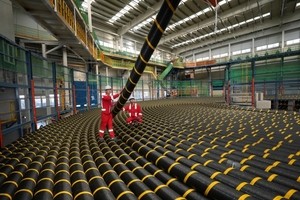
마지막은 기초 제조업이다. 반도체와 달리 대체가 쉽다. 철강, 섬유, 가전 등은 여러 나라가 쉽게 생산할 수 있어, 구매자는 특정 생산자를 잃어도 크게 걱정하지 않는다. 중국은 거대한 제조 기반을 갖추고 세계 최대 수출국 중 하나다. 최근 중국 제조업체는 미국 관세와, 특히 유럽에서 중국산 의존 과다 우려로 압박을 받고 있다. 팬데믹 공급망 혼란과 지정학적 긴장도 영향을 줬다. 관세 정책은 협상 도구, 무역적자 대응, 미국 제조업 부흥 등 여러 이유가 섞여 혼란스럽다. 2026년에도 이런 움직임은 계속될 전망이다. 하지만 2025년처럼 혼란스러울 가능성이 크다. 한국은 자동차 등 제조업 수출국으로, 이런 불확실성에 크게 영향을 받을 수 있다. 제조업체는 규칙이 갑자기 바뀌고 무역 협정이 단기간에 끝나는 변동성에 대비해야 한다.
폭풍 속 항해
한국의 과제는 명확하다. 전략적 유연성을 유지하면서 회복력을 키워야 한다. 금융에서는 여러 결제 시스템에 접근하고, 국내 결제 기술을 개선해야 한다. 반도체에서는 첨단 역량에 투자해, 한국 기업이 강대국과 제3국에 없어서는 안 될 존재가 되도록 해야 한다. 기초 제조업 분야는 시장을 다변화하고 미국과의 무역 혼란에 대비해야 한다. 미국과 중국의 지정학적 경제 경쟁은 일시적 현상이 아니라 앞으로 몇 년을 정의할 특징이다. 한국의 성공은 이 위험한 상황을 얼마나 능숙하게 헤쳐 나가느냐에 달려 있다.
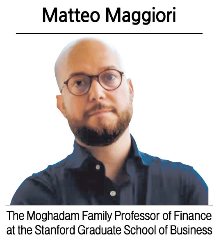
마테오 마지오리는 누구
그는 글로벌 자본 배분 프로젝트(Global Capital Allocation Project)의 공동 설립자이자 이사다. 그의 연구 주제에는 불완전한 자본시장에서의 환율 분석, 자본 이동, 국제 통화 시스템, 기축통화, 지경학, 조세 회피처, 초장기 할인율과 기후 변화, 기대와 포트폴리오 투자 등이 포함된다. 이론과 실증 데이터를 결합해 국제 경제 정책을 개선하는 것을 목표로 한다. 그는 미국 국립경제연구국(NBER)의 연구 펠로우이며, 유럽경제정책연구센터(CEPR)의 연구 협력 연구원이다. 캘리포니아대학교 버클리캠퍼스에서 박사 학위를 받았다. 다수의 수상 경력도 보유하고 있다. 40세 이하의 뛰어난 금융경제학자에게 수여되는 피셔 블랙상(Fischer Black Prize)을 비롯해 카네기 펠로십과 구겐하임 펠로십을 받았으며, 40세 이하 유럽 경제학자의 거시경제학 및 금융 분야 탁월한 공로를 인정하는 베르나세르상(Bernacer Prize)도 수상했다.
![A container ship is docked at Kwai Chung Container Terminal in Hong Kong on Tuesday, Apr. 8, 2025.Photo [AP]](https://wimg.heraldcorp.com/news/cms/2026/01/14/news-p.v1.20260114.2a2033f81b28429b8a44897da123b2af_P1.jpg)
China and US Geoeconomic Competition: The Relevance for Korea
By Matteo Maggiori, Moghadam Family Professor of Finance, Stanford University. Co-founder, the Global Capital Allocation Project
The year 2026 has just started, and we are already witnessing great powers such as the United States and China exerting their influence on the rest of the world. The remainder of the year is likely to bring more of the same. Countries around the world, including Korea, are watching with apprehension the return of overt geoeconomic and military actions by these superpowers.
To understand this great power competition, it is helpful to think of three critical areas. First, the global financial system, in which the US remains the dominant player. Second, advanced manufacturing in specific areas such as semiconductors, where the great powers are competing intensely and Korea plays an increasingly important role. And third, basic manufacturing, in which China is the powerhouse.
The Financial Battleground
Let us start with finance. What was routinely considered the most boring part of the global financial architecture-payment systems and other basic financial services-has now become the center of intense geoeconomic competition. The United States‘ ability to influence other countries via its control of the global financial system is unmatched. This ranges from sanctioning Iran and Russia to pressuring HSBC to disclose transactions tied to Huawei, and persuading SWIFT to disconnect various entities from its messaging system. The US and its allies control an overwhelming share of global financial services, exceeding 80 percent throughout the world. This dominant position makes finance one of the most powerful geoeconomic tools available to Washington.
However, the US position is more fragile than commonly understood. It is not lost on China that they need to develop their own payment and settlement system. They are doing precisely that with CIPS, the Cross-Border Interbank Payment System. A successful CIPS would both insulate China from possible US financial pressure and allow Beijing to offer the system to other countries that want to reduce their dependence on the US. Korea might be a natural country that wants access to both systems given its tight economic relationships with both the US and China.
While alternative payment systems remain poor substitutes for the global US-centric ones, they underscore the growing incentives to fragment the global financial system. Washington policymakers take comfort that the dollar is as central as ever-by some measures even more so. They argue that the Chinese renminbi and other alternatives are very unlikely to rival the dollar in most of its uses anytime soon. While this assessment is accurate, it also misses the crucial point.
Much of the loss to US power does not require the dollar being neck and neck with a competitor, but rather only the existence of a small viable alternative financial architecture. The US coalition, at present, can almost completely shut off the supply of financial services to a target country or corporation. The coalition‘s power arises from the near-total ability to corner the market in these services, which are crucial for the functioning of all sectors of the economy. The target has little or no alternative. But power dissipates quickly as viable alternatives emerge, even if they serve only a fraction of global transactions.
The Semiconductor Chessboard
Let me now turn to semiconductors. Advanced semiconductors share some important features with the financial architecture. Like finance, they are a basic input in many different sectors of the economy, so controlling semiconductors can have far-reaching consequences. Somewhat in common with finance, they are not easy to produce, which means that controlling the main suppliers can leave the target with only poor alternatives.
But there are also important differences. Basic financial services are a relatively stable technology that has been around for a century. This technology changes and adapts-for example, with stablecoins and central bank digital currencies-but its main functions are well understood. Semiconductors are quite different. There is much uncertainty over which products will be needed for artificial intelligence and other advanced technologies, in large part because end uses like large language or world models are still in their infancy.
The supply chain of semiconductors is also much more dispersed across firms and countries than the basic financial architecture. This geographic and corporate fragmentation makes controlling the semiconductor industry more difficult in practice. Manufacturing requires cooperation between equipment suppliers in the Netherlands, materials producers in Japan, designers in the US, and fabricators in Taiwan and Korea. China is also scaling up its own domestic ability to produce advanced semiconductors,
Korea, with its large semiconductor firms such as Samsung and SK Hynix, will have to navigate pressure from both China and the US regarding the dissemination of these products and control of intermediate steps of production. If Korea succeeds in keeping up with or even leapfrogging the manufacture of advanced semiconductors, it will substantially increase its geoeconomic potential.
First, both the US and China would have to carefully consider the reaction of Korean producers to any of their import and export control policies. Second, third-party countries might find Korea to be a valuable source of diversification in this critical input, reducing their overreliance on either the US at present or potentially China in the future.
The Manufacturing and Tariffs Debacle
Let me finally turn to basic manufacturing. These products differ substantially from semiconductors because, generally, easy alternatives are available. Multiple countries can manufacture steel, textiles, consumer electronics, and other standard goods with relative ease. Buyers, therefore, are less afraid of losing access to any one producer. China has built a massive manufacturing base and is indeed one of the world‘s largest exporter of such goods.
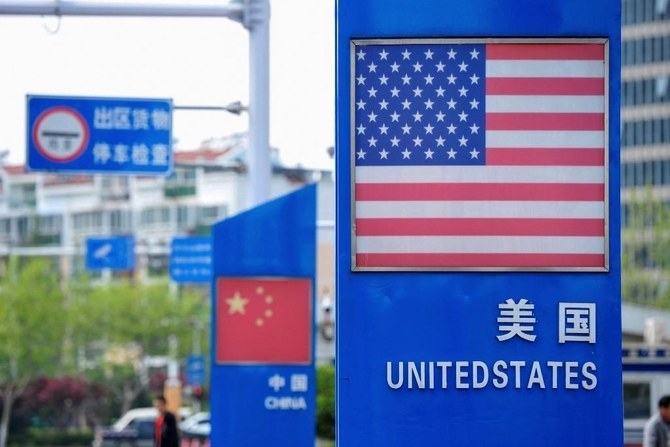
Chinese manufacturers have recently come under pressure from US tariffs and growing fears in many countries, particularly in Europe, of overreliance on Chinese inputs. This concern has been amplified by supply chain disruptions during the pandemic and geopolitical tensions. Tariff policies in these areas have been applied in a confusing and often contradictory fashion. They serve partly as a negotiation tool, partly stem from a misguided notion of a massive and direct effect on trade deficits, and partly aim to generate a manufacturing revival in the United States.
While I expect more action in this space throughout 2026, it is likely to be as chaotic and haphazard as what we witnessed in 2025. Korea, as a major exporter of automobiles and other manufactured goods, will be significantly affected by this uncertainty, with no obvious relief in sight. Korean manufacturers must prepare for a volatile trade environment where the rules can change with little notice and trade deals are short-lived.
Navigating the Storm
For Korea, the challenge is clear: maintain strategic flexibility while building resilience. In finance, this means ensuring access to multiple payment systems and keep improving its domestic payment technology. In semiconductors, it means continuing to invest in cutting-edge capabilities that make Korean firms indispensable to both great powers and third-party countries. In basic manufacturing, it means diversifying markets and preparing for continued trade turbulence with the United States.
The geoeconomic competition between the United States and China is not a passing phase but a likely defining feature of the years ahead. Korea‘s success will depend on how skillfully it navigates these treacherous waters.
bonsang@heraldcorp.com


![임영웅 51억에 산 집, 이젠 120억…하하·정동원도 사는 ‘강북판 타워팰리스’[초고가 주택 그들이 사는 세상]](https://wimg.heraldcorp.com/news/cms/2026/10/17/news-p.v1.20261016.f574b812626d48019a4018618b827c5b_T1.jpg?type=h&h=640)
![“샌디스크도 아니었다”…S&P500 상승률 1위, 7배 뛴 이 종목[서학개미 주식회사]](https://wimg.heraldcorp.com/news/cms/2026/10/15/news-p.v1.20251010.236fb20db3324e3bbd6f1dba7ec63bff_T1.jpg?type=h&h=240)
![[르포] 공장 들어서자 ‘밥 냄새’가 훅…쿠첸 ‘티타늄 밥솥’ 의 비밀[그 회사 어때?]](https://wimg.heraldcorp.com/news/cms/2026/10/16/news-p.v1.20260923.16e9b0f48f08469fa1014f2864f8e8fc_T1.jpg?type=h&h=240)
![장기금리와 그린스펀의 수수께끼…이번엔 뒤집혔다 [지안루카 베니그노]](https://wimg.heraldcorp.com/news/cms/2026/10/14/news-p.v1.20261012.37af49395c5e42388798ef9d8de6e08b_T1.jpg?type=h&h=240)