
2025년, 분수령의 해
경제학자의 시각에서 볼 때 2025년은 제2차 세계대전 이후 우리가 익숙하게 여겨왔던 규칙 기반 글로벌 무역 질서가 사실상 막을 내린 해로 기억될 가능성이 크다. 물론 이 체제는 이미 상당 기간 압박을 받아왔고, 변화하는 환경에 제대로 적응하거나 대응하지 못하면서 점차 의미를 잃어가고 있었다. 그러나 이번이 특별한 이유는, 기존 질서에 대한 공격이 다름 아닌 이 시스템의 설계자였던 미국으로부터 나왔다는 점이다.
도널드 트럼프 미 행정부가 도입한 이른바 ‘상호 관세(reciprocal tariffs)’는 비차별 원칙을 정면으로 위반하는 조치이자, 다자간 규칙 기반 질서의 근간을 흔드는 행위다. 비차별 원칙은 전후 무역 체제의 핵심 기둥 가운데 하나였다. 관세 및 무역에 관한 일반협정(GATT), 그리고 이후 세계무역기구(WTO)에 제도화된 최혜국대우(MFN) 조항에 따르면, 회원국이 특정 교역 상대국에 관세 인하와 같은 유리한 조건을 부여할 경우, 그 혜택은 모든 교역 상대국에 동일하게 적용돼야 한다. 이 원칙은 무역 환경의 투명성·안정성·예측 가능성을 보장하고, 교역 상대국 간의 평등을 담보하는 역할을 해왔다.
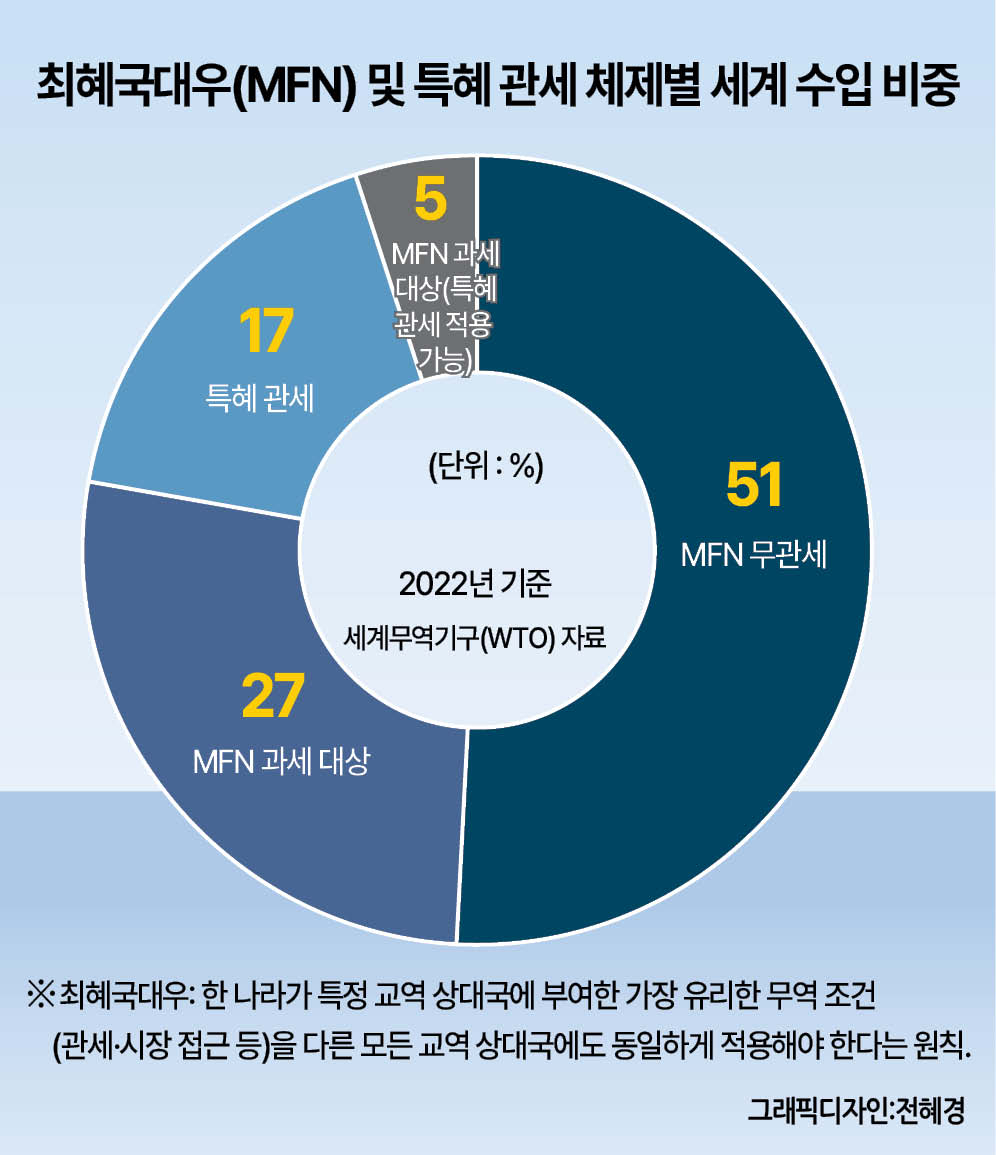
그러나 미국이 국제비상경제권한법(IEEPA)을 근거로 WTO에서 약속한 MFN 관세율 위에 추가 관세를 부과할 수 있게 되면서, 세계 최대 경제국의 MFN 원칙 준수는 사실상 붕괴됐다. 더욱이 IEEPA에 따른 관세는 일률적이지도, 안정적이지도 않다. 지정학적 상황, 급변하는 양자 협상, 현지 여건에 따라 수시로 변동되면서 무역 환경은 점점 더 예측 불가능하고 불확실해지고 있다. 이는 ‘규칙에 기반한 질서’에서 ‘힘에 기반한 질서’로의 이동을 의미한다. 다만 MFN 원칙이 완전히 사망했다는 주장은 다소 과장일 수 있다. 여전히 전 세계 상품 교역의 80% 이상이 MFN 조건하에서 이뤄지고 있기 때문이다. WTO 역시 여전히 일정한 역할을 수행하고 있지만, 규칙 제정 기능에 있어서는 더 이상 신뢰하기 어려운 상황이 됐다.
당분간 향후 전개는 불투명하다. 그러나 위에서 언급한 변화들이 특히 소규모·중견 수출 지향 경제국에 치명적이라는 점을 고려할 때, 이들 국가가 미국이 남긴 리더십 공백을 메우고 새로운 규칙 기반 무역 질서 형성에 앞장설 가능성이 크다. 이는 이들 국가의 번영에 필수적이기 때문이다.
최근 몇 년간 이러한 흐름을 뒷받침하는 고무적인 신호와 시도들이 이어지고 있으며, 여러 아시아의 중소 규모 국가들이 새로운 형태의 규칙 기반 질서를 만들겠다는 의지를 표명하고 있다.
CPTPP를 지렛대로 삼다
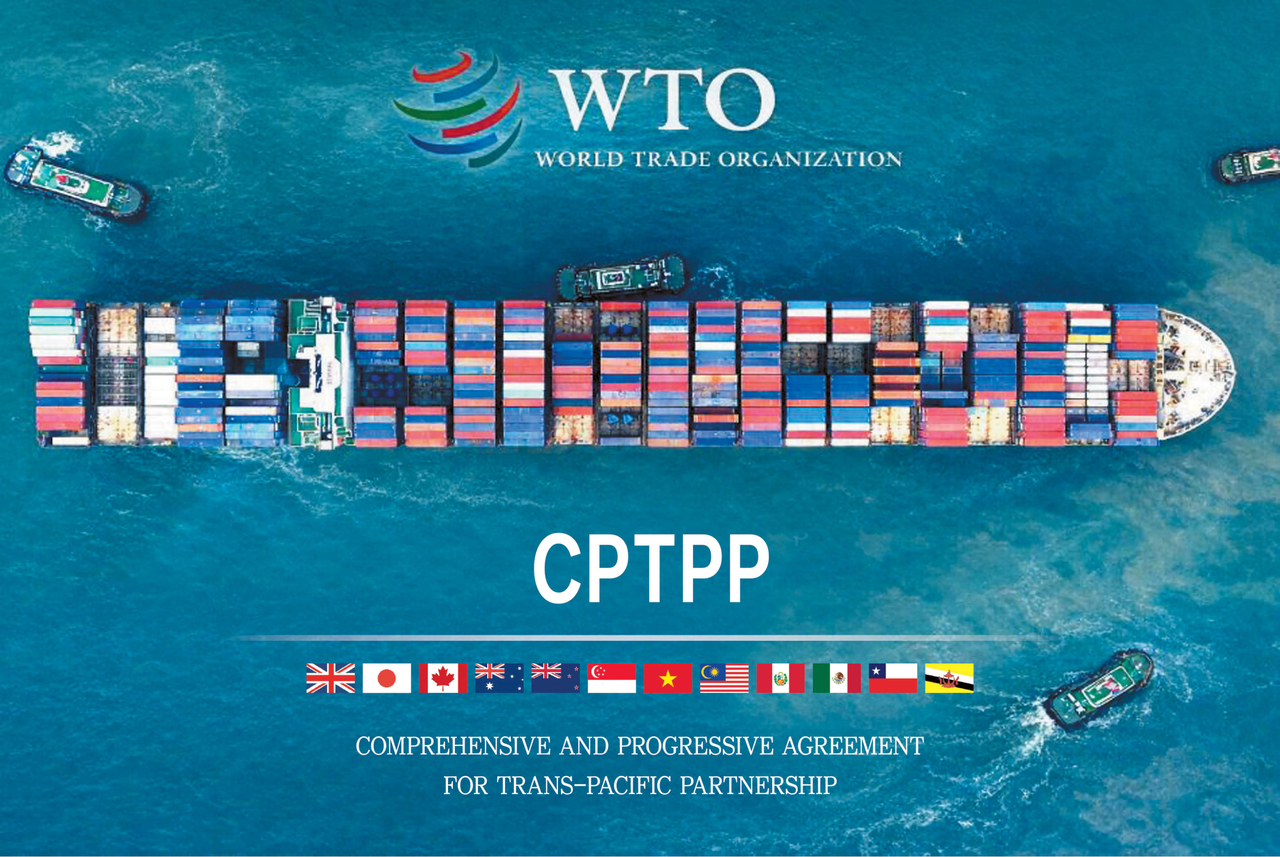
아시아와 관련해 특히 주목되는 이니셔티브는 포괄적·점진적 환태평양경제동반자협정(CPTPP)이다. 이는 환태평양경제동반자협정(TPP)을 개편한 버전이다. 흥미롭게도 TPP는 2006년 브루나이, 칠레, 뉴질랜드, 싱가포르 등 4개 소규모 경제국 간의 비교적 소박한 협정으로 출발했다.
이후 미국이 협상에 참여하면서 협정은 점차 확대됐고, 말레이시아, 호주, 페루, 베트남, 멕시코, 캐나다, 일본 등 7개국이 추가로 합류해 총 12개국이 참여하는 야심차고 포괄적인 메가 FTA로 발전했다.
미국이 2017년 탈퇴했음에도 협정은 붕괴되지 않았고, 오히려 일본의 주도로 이례적으로 빠른 속도로 비준됐다. CPTPP가 지난 20년간 가장 중요한 자유무역협정으로 평가받는 데는 이유가 있다.
이 협정은 전통적인 FTA보다 훨씬 넓고 깊은 수준의 약속을 담고 있으며, ‘새로운’ 이슈와 ‘국경 이면(behind the border)’ 규범에 있어 WTO보다 한발 앞서 있다. 총 30개 장(chapter)은 관세 철폐 같은 전통적 조항뿐 아니라 디지털 무역, 환경 보호, 노동 기준 등까지 폭넓게 포괄한다.
이 협정은 신규 가입국에 열려 있으며, 영국이 2024년 최초로 공식 가입국이 됐다. 중국과 대만, 여러 동남아 국가들을 포함한 다수의 공식 가입 신청은 CPTPP의 높은 매력도를 방증한다.
미국의 보호무역주의 강화와 미·중 경쟁이 심화되는 현 상황에서, EU 역시 이해관계가 맞닿아 있다는 이유로 CPTPP 회원국들과의 협력 강화에 관심을 보이고 있다. EU가 CPTPP에 직접 가입하는 것은 현실적이지 않을 수 있지만, CPTPP와의 제도적 정합성을 높이는 것은 규칙 기반 무역을 지키는 동시에 새로운 도전에 맞춰 무역 규범을 진화시키는 데 도움이 될 것이다. 다시 말해, 이 두 그룹의 연대는 새로운 규칙 기반 무역 질서를 형성하는 핵심 축이 될 수 있다. 덧붙이자면, 대외 개방적인 중견국인 한국 역시 이 그룹에 참여할 분명한 이해관계를 갖고 있다.
복수국(plurilateral)간 협정의 부활
WTO의 약점이자 점진적 무력화의 주요 원인 중 하나는 변화하는 세계에 적응하지 못하고 ‘새로운’ 이슈를 규범에 포함시키지 못했다는 점이다. 이러한 한계를 보완하는 방안으로 복수국 간 협정이 대안이 될 수 있다.
복수국 간 협정은 뜻을 같이하는 일부 국가들이 모든 WTO 회원국의 만장일치 없이도 새로운 규칙과 더 깊은 통합에 합의하고 전진할 수 있도록 해준다. 이 협정들은 궁극적으로 합의된 규범을 이행할 의지가 있는 모든 국가에 개방된다. 이러한 개방형 복수국 간 협정은 과거 GATT 체제에서는 널리 활용됐지만, WTO 체제에서는 합의(consensus) 원칙 때문에 사실상 불가능해졌다. 그 결과, 새로운 유형의 복수국 간 협정은 WTO 바깥에서 이뤄질 수밖에 없다.
규칙 기반 질서를 유지하려는 국가들은 이러한 복수국 간 협정을 활용해 목표를 달성할 수 있다. 디지털 무역은 대표적인 분야이며, 경제 안보와 공급망 회복력 역시 이러한 접근이 가능한 영역이다.
디지털경제동반자협정(DEPA)은 소수 국가가 출범시킨 복수국 간 이니셔티브가 향후 다자화될 수 있음을 보여주는 흥미로운 사례다. DEPA는 2020년 칠레, 뉴질랜드, 싱가포르가 체결한 협정으로, 디지털 무역을 다룬 최초의 협정이다.
무역을 제한하는 정책을 완화하고, 국경 간 데이터 이동, 전자서명, 국경 간 결제 규범 등 디지털 무역 촉진을 지원하며, 서로 다른 규제 체계 간 상호운용성을 제고하는 것을 목표로 한다.
한국은 2024년 DEPA에 가입했으며, 현재 중국, 캐나다, 코스타리카, 페루, 아랍에미리트(UAE), 엘살바도르, 태국, 우크라이나, 우루과이 등 9개국이 추가 가입을 신청한 상태다.
미국이 자신이 구축하는 데 기여했던 규칙 기반 무역 체제를 사실상 포기했다는 냉혹한 현실 속에서, 안정적인 규칙 기반 질서를 필요로 하는 중소 무역국들은 집단적으로 행동하며 개편된 무역 체제를 조직할 수 있다. 시간이 흐르면서 더 많은 국가들이 여기에 동참할 가능성도 있다. 그리고 장기적으로는, 미국이 다시 이 체제에 복귀하려는 시도조차 배제할 수는 없을 것이다.
프랑소와즈 니콜라는 누구
스위스 제네바 국제고등연구원에서 정치학 석사(1985년) 학위를, 국제경제학 박사(1991년) 학위를 취득했다. 1990년 프랑스 국제관계연구소(IFRI)에 연구원으로 합류했다. 2024년 2월까지 아시아연구센터 소장을 역임했다. 현재는 같은 센터의 수석고문이며, 시앙스포(파리 정치대학) 파리, 시앙스포 리옹에서 강의하고 있다. 경제협력개발기구(OECD) 재정·조세·기업국(DAF)의 자문위원으로서, 동남아시아 비회원국을 중심으로 활동하고 있다. 1999년 싱가포르 동남아시아연구소(ISEAS), 2004년엔 대외경제정책연구원(KIEP)에서 방문연구원으로 연구 활동을 했다.
The end of an era, whither the global trading system?

2025, a watershed moment
From an economist’s perspective, 2025 will likely be remembered as the year when the global rules-based trade order as we had known it since the end of the Second World War came to an end. To be fair the system had been under strain for some time, and gradually sliding into irrelevance, primarily because of its inability to adapt and respond to changing circumstances. What made this time different, however, is the fact that the attacks on the existing order came from the very architect of the system, namely the US.
The use of “reciprocal tariffs” by the Trump administration represents a breach of the non-discrimination principle and an assault on the very bedrock of the multilateral rules-based order. Non-discrimination was one of the major tenets of the post-WWII trading system. Thanks to the so-called most-favored nation clause (encapsulated in the GATT and eventually the WTO), if a member state grants favorable trading terms-like lower tariffs-to one partner, it must extend the same benefits to all its trading partners. The implementation of this principle ensures transparency, stability and predictability in the trading environment as well as equality between trading partners.
The International Emergency Economic Powers Act (IEEPA) that allows the US to impose duties on top of the MFN tariffs bound under its WTO commitments, effectively broke the world’s largest economy’s adherence to the MFN principle. Moreover, with the IEEPA duties being neither uniform nor even stable but fluctuating according to geopolitics and fast-moving bilateral negotiations and other developments on the ground, the trading environment becomes unpredictable and uncertain, while there is a shift away from a rule-based to a power-based system.
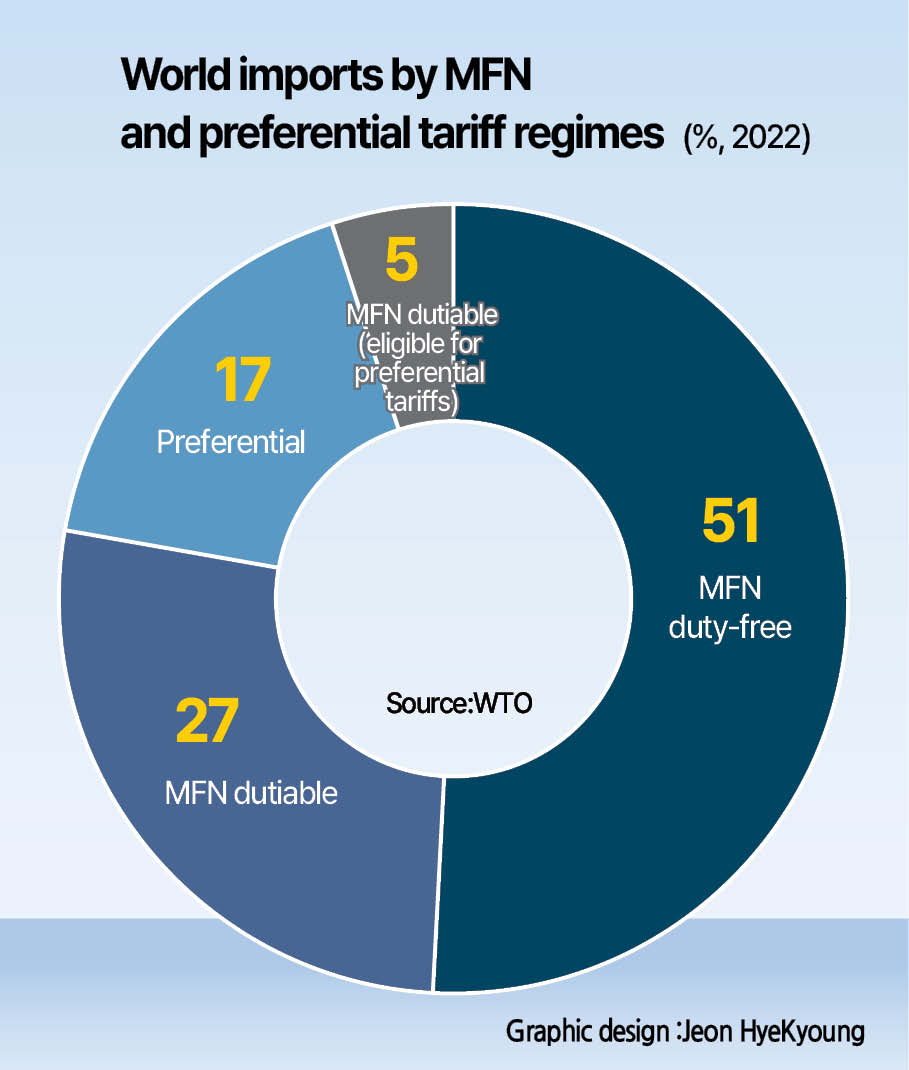
To be honest, the claim that the MFN principle is dead may be somewhat exaggerated, since over 80% of world merchandise trade is still conducted on MFN terms. The WTO still has a role to play although it can no longer be relied upon in its rule-making function.
For the time being, what comes next is unclear, but since the developments highlighted above are particularly detrimental to small and medium-sized export-oriented economies, these can be expected to fill in the leadership vacuum left by the US and lead the way in seeking to shape a new rules-based trade order that is vital for their prosperity.
Over the past years there has been a flurry of encouraging signs and initiatives, with several Asian small or medium-sized countries expressing their willingness to shape a new form of rules-based order.
Capitalizing on the CPTPP
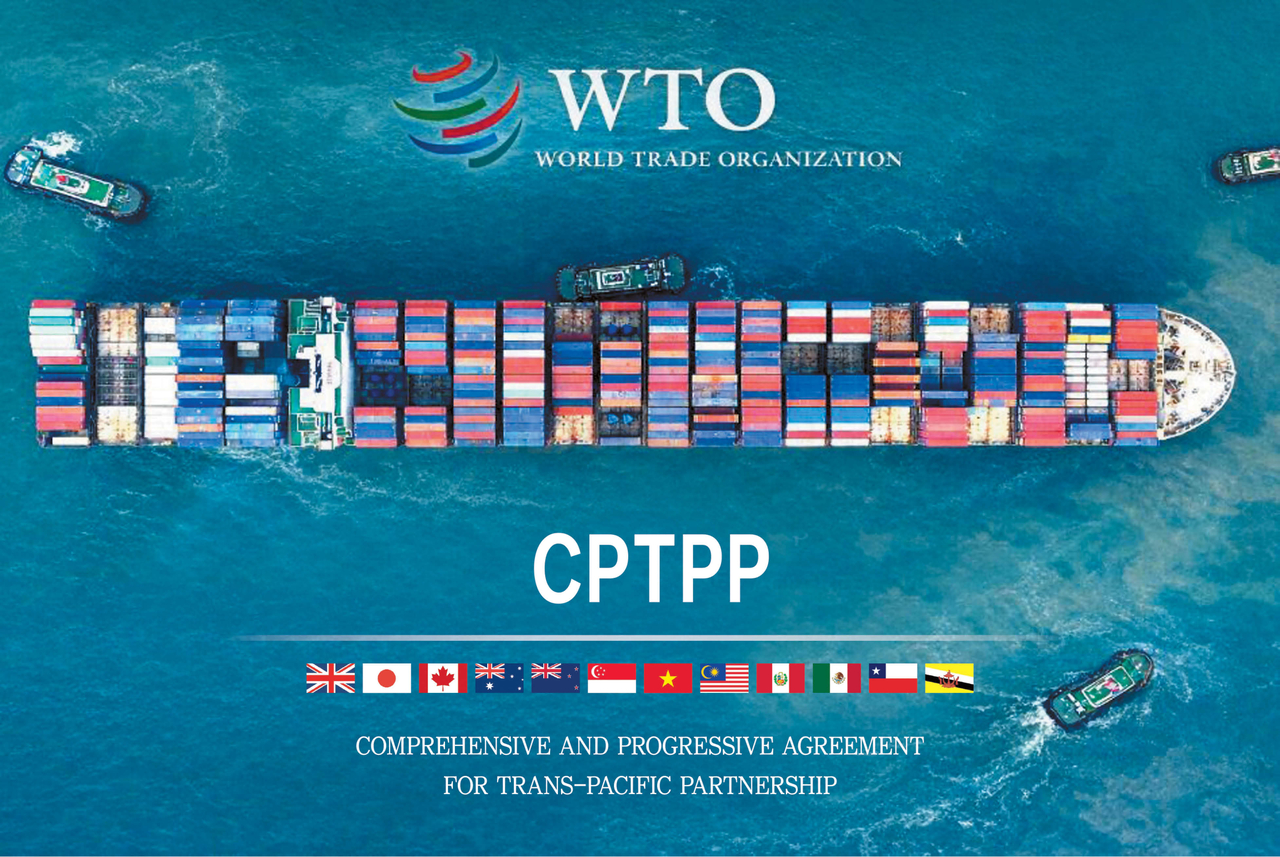
With regards to Asia, one initiative sticks out and is likely to play an increasingly important role, namely the Comprehensive and Progressive Trans-Pacific Partnership (CPTPP), a revamped version of the Trans-Pacific Partnership (TPP). Interestingly the TPP started out in 2006 as a modest agreement between 4 small economies (Brunei, Chile, New Zealand and Singapore), that gradually morphed into an ambitious and wide-ranging trade agreement encompassing 12 member countries after the US joined the negotiations, soon followed by seven other countries (Malaysia, Australia, Peru, Vietnam, Mexico, Canada, and Japan). Despite the US withdrawal in 2017 the agreement did not collapse and was even ratified in record time under Japan’s leadership. This mega-trade deal has been referred to as the most significant FTA in 20 years and for good reasons: it is a comprehensive agreement with commitments that are broader and deeper than those of traditional FTAs and it is ahead of the WTO with cutting-edge chapters on many “new” issues and “behind the border” provisions. The 30 chapters of the agreement cover standard provisions on tariff liberalization, but they also extend to digital trade, environmental protection, labour standards and the like.
The agreement is open to new partners, and the UK was the first country to officially join in 2024. The long list of formal applications (including China, Taiwan as well as several Southeast Asian countries) is a testament to the attractiveness of the arrangement.
In the current context of rising protectionism in the US and Sino-US rivalry, the EU has also expressed interest in cooperating more closely with the CPTPP member countries, due to their converging interests. Although joining the CPTPP may not be a realistic option for the EU, aligning more closely with CPTPP will help preserve rules-based trade but also facilitate the adaptation of trade rules to new challenges. In other words, the coalition of the two groupings could constitute a core group instrumental in shaping a new rules-based trade order. Incidentally, as an outward-oriented middle power, Korea has a definite interest in joining the group.
The revival of plurilateral agreements
One of the weaknesses of the WTO and one of the major reasons for its gradual loss of relevance was its inability to adapt to a changing world and include “new” issues in its disciplines. Plurilateral agreements may provide a way to extend and update WTO disciplines by addressing such issues. These agreements allow for flexibility in decision-making and rules where a sub-set of like-minded countries can agree and move forward on new rules and deeper integration without requiring unanimous agreement from all WTO members. The agreements are open to participation to any country eventually willing to implement a set of agreed disciplines. These open plurilateral agreements are in line with a practice that used to be widespread under GATT but that is no longer acceptable under the WTO rule due to the need to reach consensus. As a result, new style plurilateral agreements have thus to take place outside the WTO.
The countries interested in preserving a rules-based order can resort to plurilateral agreements to reach their goal. Digital trade is one obvious area for such rulemaking, but cooperation on economic security and supply-chain resilience is another area where such an approach can be envisaged.
The Digital Economy Partnership Agreement (DEPA) provides an interesting example of a plurilateral initiative launched by a limited number of countries that may eventually be multilateralized. Signed in 2020 by Chile, New Zealand and Singapore, DEPA is a first of its kind agreement addressing digital trade issues. It aims to support digital trade by reducing trade-restrictive policies, encouraging digital trade facilitation, including the regulation of cross-border data flows, electronic signatures, and cross-border payments among other things, and promoting interoperability across different regulatory frameworks. Korea joined DEPA in 2024, and nine other countries have applied to join the agreement (China, Canada, Costa Rica, Peru, the UAE, El Salvador, Thailand, Ukraine and Uruguay).
Faced with the painful reality that the US has abandoned the rules-based trading system it had contributed to put in place, small and medium-sized trading countries that have an interest in preserving the stability provided by a rules-based trading order can find ways to act collectively and organize a reformed trading system, with the hope that over time more and more countries will join. And in the long term, one cannot even exclude that the US may seek to reengage.
hongi@heraldcorp.com


![임영웅 51억에 산 집, 이젠 120억…하하·정동원도 사는 ‘강북판 타워팰리스’[초고가 주택 그들이 사는 세상]](https://wimg.heraldcorp.com/news/cms/2026/10/17/news-p.v1.20261016.f574b812626d48019a4018618b827c5b_T1.jpg?type=h&h=640)
![“샌디스크도 아니었다”…S&P500 상승률 1위, 7배 뛴 이 종목[서학개미 주식회사]](https://wimg.heraldcorp.com/news/cms/2026/10/15/news-p.v1.20251010.236fb20db3324e3bbd6f1dba7ec63bff_T1.jpg?type=h&h=240)
![[르포] 공장 들어서자 ‘밥 냄새’가 훅…쿠첸 ‘티타늄 밥솥’ 의 비밀[그 회사 어때?]](https://wimg.heraldcorp.com/news/cms/2026/10/16/news-p.v1.20260923.16e9b0f48f08469fa1014f2864f8e8fc_T1.jpg?type=h&h=240)
![장기금리와 그린스펀의 수수께끼…이번엔 뒤집혔다 [지안루카 베니그노]](https://wimg.heraldcorp.com/news/cms/2026/10/14/news-p.v1.20261012.37af49395c5e42388798ef9d8de6e08b_T1.jpg?type=h&h=240)