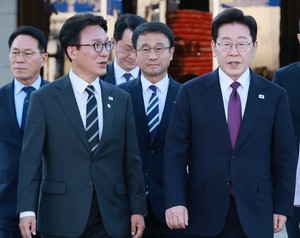
![일본 요코하마의 한 슈퍼마켓에 지난 1월 15일, 식품 가격을 알리는 가격표가 붙어 있다. ‘소고기 불고기가 150g에 399엔’(사진 맨 왼쪽)이라고 표시돼 있다. 일본에서 급등한 식료품 가격이 전반적인 인플레이션을 끌어올리고 있다. [게티이미지]](https://wimg.heraldcorp.com/news/cms/2026/02/06/news-p.v1.20260203.9ad4cf2b13864b21a3ab7b925893aa05_P1.jpg)
약 30년에 걸친 이른바 ‘만성 디플레이션(물가하락)’을 겪은 끝에 일본은 마침내 2022년 봄 인플레이션(물가상승) 국면에 들어섰다. 1990년대 중반 이후 사실상 변동이 없던 물가와 임금이 상승하기 시작한 것이다. 올해는 그 전환이 시작된 지 5년째에 해당한다. 이 변화가 역사적으로 의미가 크다는 점은 분명하지만, 더 중요한 질문은 일본이 과연 ‘정상적인’ 경제 환경으로의 이동을 완수할 수 있느냐는 것이다.
겉으로 보면 이번 변화는 일본의 디플레이션 극복 정책이 마침내 성과를 거둔 결과처럼 보일 수 있다. 그러나 실제로 일본의 디플레이션 탈출은 정책 당국이 당초 구상했던 방식으로 전개되지는 않았다. 인플레이션은 주로 해외에서 수입된 것이었고, 이후에야 임금 인상 등 국내 요인과 맞물리기 시작했다. 그럼에도 일본은 기시다 후미오 전 총리가 말한 ‘임금과 물가의 선순환’에 한 걸음 더 다가간 것은 분명하다.
정상적인 경제에서는 물가가 연 2% 안팎의 완만한 속도로 상승하고, 임금은 물가 상승률에 맞춰 오르며, 중앙은행의 정책금리는 대체로 그와 비슷한 수준에 자리 잡는다. 내 판단으로 일본은 2022년 이후 꾸준히 이 구도에 접근해 왔으며, 올해도 정상화 과정은 이어질 가능성이 크다. 관건은 이 전환을 끝까지 완수할 수 있느냐다.
인플레이션이 얼마나 확고히 자리 잡았는지를 평가하기 위해 필자와 동료들은 상세한 미시 데이터를 분석했다. 약 6만 가구의 구매 이력 데이터를 활용해 가구별 체감 인플레이션율을 산출하고, 일본은행의 물가 목표치인 2%를 웃도는 인플레이션을 경험한 가구의 비중을 계산했다. 기업에 대해서도 비슷한 분석을 진행했다. 식품과 일용소비재를 포함해 약 6000개 제조·유통 기업이 판매한 모든 상품의 가격을 스캐너 데이터로 분석했다.
결과는 인상적이다. 지난해 말 기준으로 가구의 56.0%, 기업의 63.7%가 2%를 넘는 인플레이션을 경험하고 있었다. 중앙은행 목표치를 웃도는 물가 상승은 더 이상 특정 산업이나 소득 계층에 국한되지 않는다. 일본 경제 전반으로 확산된 것이다. 이런 의미에서 인플레이션은 더 이상 일시적 현상이 아니라, 일상적인 경제 행동에 깊이 자리 잡은 특성이 됐다.
기대 역시 같은 이야기를 한다. 지난해 말 실시한 설문조사에 따르면, 가구의 30% 이상이 5~10% 수준의 인플레이션을 예상하고 있으며, 적지 않은 비중은 10~20%의 물가 상승을 전망했다. 기업들의 기대도 대체로 유사해, 상당수가 5~10% 수준의 인플레이션이 지속될 것으로 보고 있다. 이는 가격이 영원히 변하지 않을 것이라 여겼던 만성 디플레이션 시대와는 분명한 단절이다.
그러나 인플레이션의 고착이 곧바로 광범위한 지지를 얻고 있는 것은 아니다. 가격 결정력을 가진 대기업들은 수익성을 유지하거나 오히려 확대해 온 반면, 비용 상승을 전가하기 어려운 하청 중소기업들은 심각한 압박에 직면해 있다. 가계, 특히 저소득층에 인플레이션은 구매력의 지속적인 잠식을 의미해 왔다.
이 때문에 정책 당국은 인플레이션을 직접 억제하려는 대응에 나서고 있다. 지난해 말 편성된 추가경정예산에는 전기·가스·휘발유 등 에너지 가격에 대한 가격 통제가 포함됐다. 현재 진행 중인 중의원 선거에서도 여야 모두 식품을 중심으로 한 소비세의 한시적 또는 영구적 인하를 공약으로 내세우며, 인플레이션을 핵심 정치 이슈로 삼고 있다.
이 같은 조치에는 공통된 정치적 진단이 깔려 있다. 즉, 문제는 인플레이션이라는 인식이다. 그러나 이 진단은 잘못됐다. 일본을 다시 제로 인플레이션의 만성 디플레이션 환경으로 되돌리는 것은 현실적으로도, 바람직한 선택도 아니다. 오늘날 일본 경제가 직면한 진짜 문제는 인플레이션 그 자체가 아니라, 임금이 물가 상승을 따라가지 못하는 상태가 지속되고 있다는 점이다.

국제 비교를 보면 이 점은 더욱 분명해진다. 지난해 12월 일본을 포함한 5개 선진국 소비자를 대상으로 실시한 설문조사에서는 물가 전망과 함께 자신의 임금 전망을 물어, 향후 실질임금 기대를 추정할 수 있었다.
영국의 경우 응답자의 13%가 실질임금이 오를 것으로 예상했고, 36%는 변동이 없을 것으로 봤다. 두 응답을 합치면 거의 절반의 근로자가 실질임금 전망에 대해 낙관적인 시각을 갖고 있다. 반면 51%는 실질임금 하락을 예상해, 낙관과 비관이 대체로 균형을 이뤘다. 미국, 캐나다, 독일도 비슷한 양상을 보인다.
그러나 일본은 확연히 다르다. 실질임금 상승을 기대하는 응답자는 4%에 불과했고, 변동이 없을 것으로 본 17%를 합쳐도 21%에 그쳤다. 반면 무려 78%가 실질임금이 하락할 것으로 예상했다. 이 같은 극단적인 비관론은 현재의 임금 수준만으로는 설명할 수 없다. 수십 년에 걸친 임금 정체가 고착화된 기대를 만들어낸 결과다.
물론 명목임금 상승은 개선되고 있다. 2023년 춘투 이후 임금 인상률은 일본의 역사적 기준으로 보면 비교적 강한 편이다. 그럼에도 다수의 근로자는 이러한 상승세가 지속될 것이라고 믿지 않는다. 실질임금이 꾸준히 오를 것이라는 확신이 없는 한, 일본의 인플레이션 전환은 미완에 그칠 위험이 크다.
그렇다면 이 상황을 어떻게 개선할 수 있을까. 필자가 위원으로 참여했던 일본노동조합총연합회(렌고) 산하 ‘미래지향적 춘투’ 평가위원회는 노동조합이 임금 요구 방식을 근본적으로 재고해야 한다는 결론을 내렸다. 위원회는 네 가지 권고안을 제시했다.
첫째, 임금 인상 목표는 과거의 물가가 아니라 향후 예상 인플레이션을 기준으로 설정해야 한다. 전통적으로 춘투 협상은 직전 회계연도의 물가를 참고해 왔다. 디플레이션 시기에는 이 같은 후행적 접근이 큰 문제를 일으키지 않았지만, 2022년 이후 물가 상승이 가속화되면서 임금 인상이 물가를 따라가지 못하는 결과를 낳았다. 그 결과 2022년 이후 실질임금은 최대 6%까지 하락했다. 인플레이션 환경에서는 임금 결정 역시 선행적이어야 한다. 일본은행의 2% 물가 목표를 명시적인 기준으로 삼는 방안도 협상의 기준점을 제공할 수 있다.
둘째, 임금 협약에는 실질임금 보전 조항을 포함해야 한다. 아무리 정교한 물가 전망도 빗나갈 수 있다. 예상치 못한 인플레이션으로 실질임금이 훼손될 경우, 이후 협상에서 이를 회복할 수 있는 사전 합의된 장치가 필요하다. 이런 장치가 없다면 미래 구매력에 대한 불확실성은 계속해서 신뢰를 약화시킬 것이다.
셋째, 노동력 부족을 임금 목표에 명확히 반영해야 한다. 일본은 노동 수요가 공급을 초과하는 심각한 인력난에 직면해 있다. 이런 조건에서는 균형이 회복될 때까지 실질임금이 상승하는 것이 자연스럽다. 추정에 따르면 일본의 ‘자연 실질임금’, 즉 노동시장의 균형과 부합하는 수준은 현재보다 최소 3% 이상 높다. 이 격차를 외면할수록 조정은 지연되고 경제적 부담은 길어진다.
마지막으로, 중·장기적인 임금 기대를 안정시키기 위해 적극적인 소통이 필요하다. 사람들은 몇 달이 아니라 수년에 걸쳐 삶을 계획한다. 임금의 향후 경로에 대한 명확하고 신뢰할 수 있는 정보는 신뢰 회복과 삶의 질 개선에 필수적이다. 노동조합과 기업, 정부 모두가 이러한 기대를 형성하는 데 역할을 해야 한다.
일본의 경험은 더 넓은 교훈을 제공한다. 디플레이션 탈출은 단순히 물가를 올리는 문제가 아니다. 실질임금이 지속적으로 상승할 것이라는 신뢰할 만한 경로가 없다면, 인플레이션은 경제 회복의 동력이 아니라 사회적·정치적 갈등의 불씨가 될 수 있다.
와타나베 츠토무는 누구
경제 빅데이터 분석업체 나우캐스트의 창립자이자 과학자문이며, 도쿄대 경제학 명예교수다. 1992년 하버드대에서 경제학 박사 학위를 받았다. 학부는 도쿄대에서 마쳤다. 주요 연구 분야는 통화정책과 인플레이션이다. 이들을 주제로 다수의 저서와 70편이 넘는 학술지 논문을 발표했다. 그는 일본학술진흥회(JSPS) 과학연구비 보조금 사업에서 세 차례 프로젝트 책임자를 맡았다. 일본의 지속적 디플레이션에 대한 이해, 중앙은행 커뮤니케이션 설계 등이 여기에 포함된다. 현재 ‘일본의 만성 디플레이션: 원인, 결과, 후생적 함의’(2023~2028년)라는 주제의 프로젝트를 주관하고 있다. 와타나베 고타와 함께 닛케이-도쿄대 일간 물가지수(Nikkei-UTokyo Daily Price Index®)를 공동 개발했다.
![Price signs at the Celsior Wadamachi supermarket in Yokohama, Japan, on Thursday, Jan. 15, 2026. Soaring food costs are a key component driving broader inflation higher. [Getty Images]](https://wimg.heraldcorp.com/news/cms/2026/02/06/news-p.v1.20260206.8cd4e357ff264e6481384c88016e3305_P1.jpg)
Japan’s Fifth Year of Inflation: Why Wage Growth Matters More Than Prices
After nearly three decades of what may be described as “chronic deflation,” Japan finally entered an inflationary phase in the spring of 2022. Prices and wages, which had remained virtually unchanged since the mid-1990s, began to rise. This year marks the fifth year of that transition. While the shift is historically significant, the more important question is whether Japan can complete the move toward a genuinely normal economic environment.
At first glance, this shift might appear to be the long-awaited success of Japan’s deflation-fighting policies. In reality, however, Japan’s exit from deflation did not unfold as policymakers had originally envisioned. Inflation was largely imported from abroad and only later interacted with domestic forces, including wage increases. Even so, Japan has undeniably moved closer to what former Prime Minister Fumio Kishida has called a “virtuous cycle of wages and prices.”
In a normal economy, prices rise moderately at around 2 percent, wages increase in line with prices, and the central bank’s policy interest rate settles at roughly the same level. In my view, Japan has been steadily moving toward this configuration since 2022, and the normalization process is likely to continue this year. The critical question, however, is whether Japan can complete this transition.
To assess how firmly inflation has taken hold, my colleagues and I examined detailed microdata. Using purchase history data from approximately 60,000 households, we calculated household-level inflation rates and measured the share of households experiencing inflation above the Bank of Japan’s 2 percent target. We conducted a similar analysis for firms, using scanner data on prices of all products sold by approximately 6,000 companies that manufacture and sell consumer goods, including food and other daily necessities.
The results are striking. As of the end of last year, 56.0 percent of households and 63.7 percent of firms were experiencing inflation above 2 percent. Inflation above the central bank’s target is no longer confined to specific sectors or income groups; it has spread throughout Japan’s economy. In this sense, inflation is no longer a temporary or transitory phenomenon but an embedded feature of everyday economic behavior.
Expectations tell a similar story. According to surveys we conducted late last year, more than 30 percent of households expect inflation of approximately 5-10 percent, and a non-negligible share anticipate inflation of 10-20 percent. Firms’ expectations are broadly aligned, with many also expecting inflation of roughly 5-10 percent to persist. This marks a sharp break from the era of chronic deflation, when households and businesses widely assumed that prices would remain flat indefinitely.
Yet the entrenchment of inflation has not translated into broad public approval. While large firms with pricing power have often maintained or even expanded profit margins, many small and medium-sized enterprises-especially subcontractors unable to pass on higher costs-are under severe pressure. For households, particularly those with lower incomes, inflation has meant a steady erosion of purchasing power.
Unsurprisingly, policymakers have responded by trying to suppress inflation directly. The supplementary budget enacted at the end of last year included price controls on energy, including electricity, gas, and gasoline. In the ongoing House of Representatives election, both the ruling and opposition parties have proposed temporary or permanent reductions in the consumption tax, particularly on food items, making inflation a central political issue.
These measures reflect a shared political diagnosis: inflation is the problem. But that diagnosis is misguided. Returning Japan to the zero-inflation environment of chronic deflation would be neither feasible nor desirable. The true problem facing the Japanese economy today is not inflation per se but the persistent failure of wages to keep pace with rising prices.
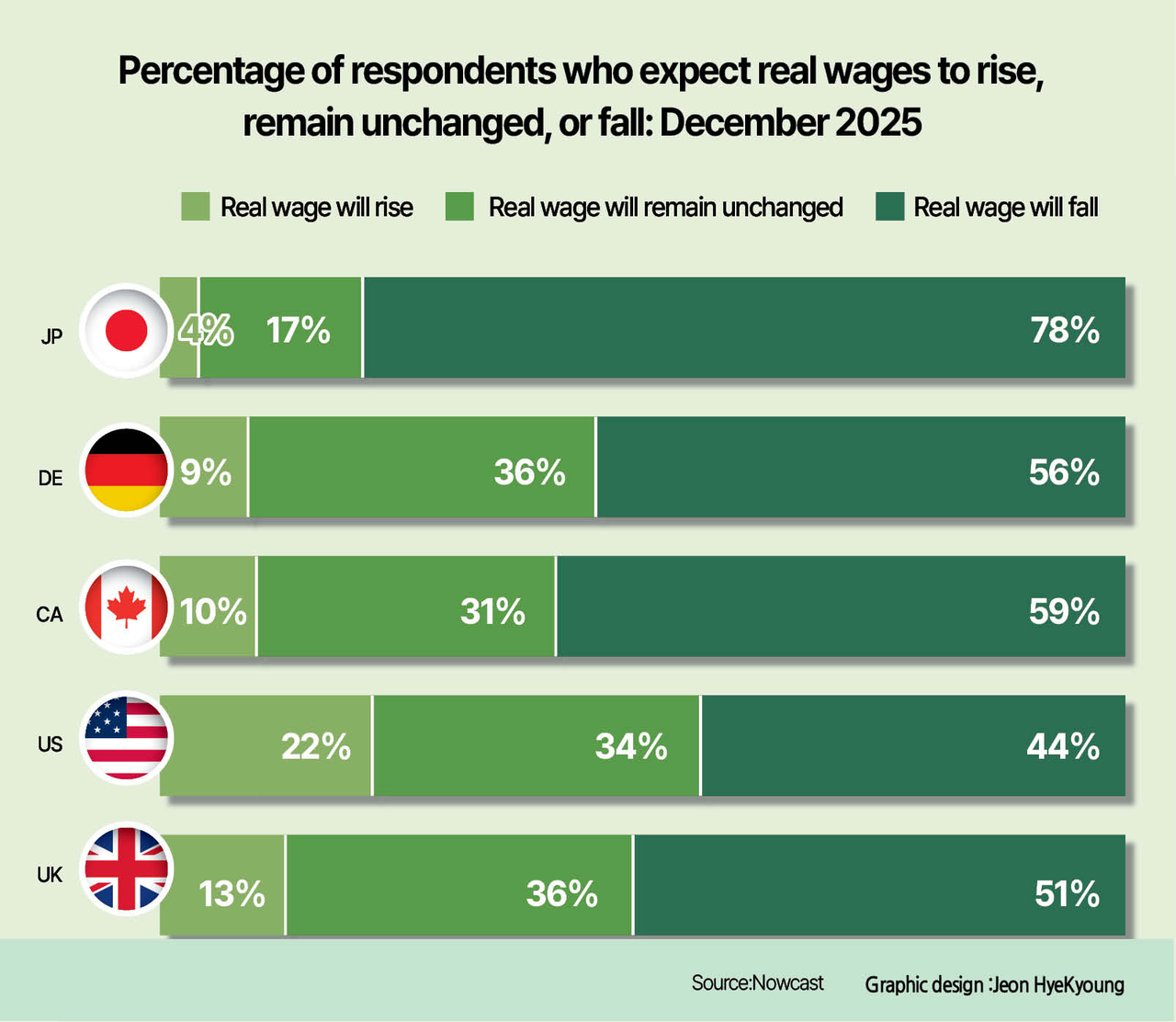
International comparisons make this point clear. In a survey conducted last December among consumers in five advanced economies, including Japan, respondents were asked about both their price expectations and their expectations for their own wages, allowing us to infer expectations of future real wages.
In the United Kingdom, for example, 13 percent of respondents expect their real wages to rise, while 36 percent expect them to remain unchanged. Together, nearly half of workers hold an optimistic view of their real wage prospects. By contrast, 51 percent expect real wages to decline, resulting in a roughly even balance between optimism and pessimism. The United States, Canada, and Germany show similar patterns.
Japan, however, stands out sharply. Only 4 percent of respondents expect their real wages to rise, and even when combined with the 17 percent who expect them to remain unchanged, the total is just 21 percent. By contrast, a striking 78 percent expect their real wages to decline. This level of pessimism is exceptional and cannot be explained by current wage conditions alone. It reflects deeply entrenched expectations shaped by decades of wage stagnation.
To be sure, nominal wage growth has improved. Since the 2023 spring wage negotiations, known as Shunto, wage increases have been relatively strong by Japan’s historical standards. Nevertheless, most workers do not expect these gains to continue. Without confidence in sustained real wage growth, Japan’s inflationary transition risks remaining incomplete.
How, then, can this situation be improved? A review by the “Future-Oriented Shunto” Evaluation Committee of the Japanese Trade Union Confederation (Rengo), of which I was a member, concluded that labor unions must fundamentally rethink how they formulate wage demands. The committee put forward four recommendations.
First, wage increase targets should be based on expected future inflation rather than past outcomes. Traditionally, Shunto negotiations have referenced inflation in the most recent fiscal year. While this backward-looking approach posed few problems during the deflationary era, since inflation began accelerating in 2022, it has contributed to wage increases that lag behind prices. As a result, real wages have declined by up to 6 percent since 2022. In an inflationary environment, wage setting must be forward-looking. Using the Bank of Japan’s 2 percent inflation target as an explicit benchmark could help anchor negotiations.
Second, wage agreements should include a real-wage catch-up clause. Even well-informed inflation forecasts can be wrong. When unexpected inflation erodes real wages, there must be a pre-agreed mechanism for workers to recover those losses in subsequent negotiations. Without such a mechanism, uncertainty about future purchasing power will continue to undermine confidence.
Third, labor shortages should be explicitly reflected in wage targets. Japan faces a severe labor shortage, with labor demand exceeding supply. Under these conditions, real wages should rise until equilibrium is restored. Estimates indicate that Japan’s “natural real wage”-the level consistent with labor-market balance-is at least 3 percent higher than the current level. Ignoring this gap only delays adjustment and prolongs economic strain.
Finally, workers’ medium- to long-term wage expectations must be stabilized through proactive communication. People plan their lives over years, not months. Clear, credible information about the future trajectory of wages is essential to restoring confidence and improving overall well-being. Labor unions, employers, and the government all have a role to play in shaping these expectations.
Japan’s experience offers a broader lesson. Escaping deflation is not merely about raising prices. Without a credible, sustained path to real wage growth, inflation may fuel social and political tensions rather than drive economic revival.
hongi@heraldcorp.com


![임영웅 51억에 산 집, 이젠 120억…하하·정동원도 사는 ‘강북판 타워팰리스’[초고가 주택 그들이 사는 세상]](https://wimg.heraldcorp.com/news/cms/2026/10/17/news-p.v1.20261016.f574b812626d48019a4018618b827c5b_T1.jpg?type=h&h=640)
![“샌디스크도 아니었다”…S&P500 상승률 1위, 7배 뛴 이 종목[서학개미 주식회사]](https://wimg.heraldcorp.com/news/cms/2026/10/15/news-p.v1.20251010.236fb20db3324e3bbd6f1dba7ec63bff_T1.jpg?type=h&h=240)
![[르포] 공장 들어서자 ‘밥 냄새’가 훅…쿠첸 ‘티타늄 밥솥’ 의 비밀[그 회사 어때?]](https://wimg.heraldcorp.com/news/cms/2026/10/16/news-p.v1.20260923.16e9b0f48f08469fa1014f2864f8e8fc_T1.jpg?type=h&h=240)
![장기금리와 그린스펀의 수수께끼…이번엔 뒤집혔다 [지안루카 베니그노]](https://wimg.heraldcorp.com/news/cms/2026/10/14/news-p.v1.20261012.37af49395c5e42388798ef9d8de6e08b_T1.jpg?type=h&h=240)