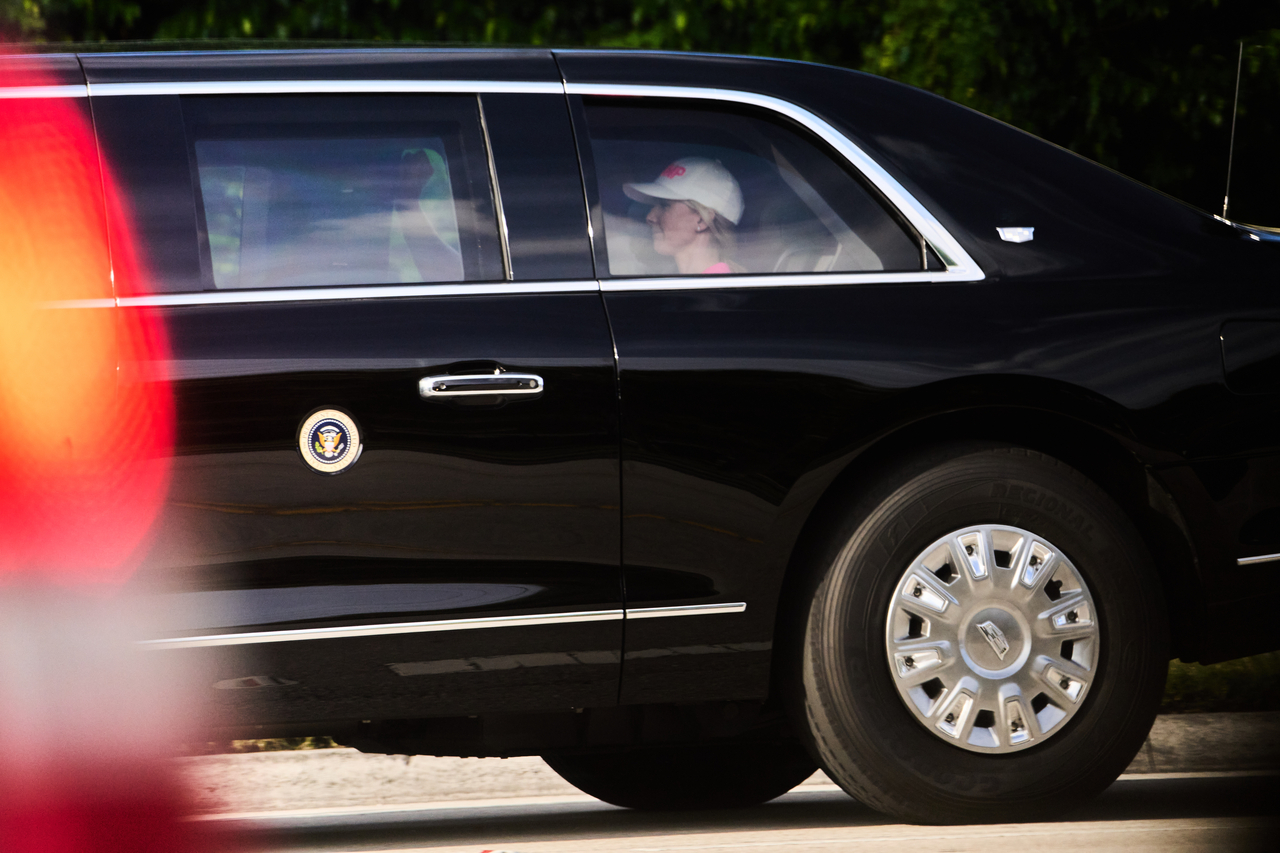
Secret nuclear tests, military coups and missile programs once made Pakistan a headache for Washington. Now, under Trump's second term, Islamabad has emerged as the key broker in the US-Iran war — and the transformation was no accident.
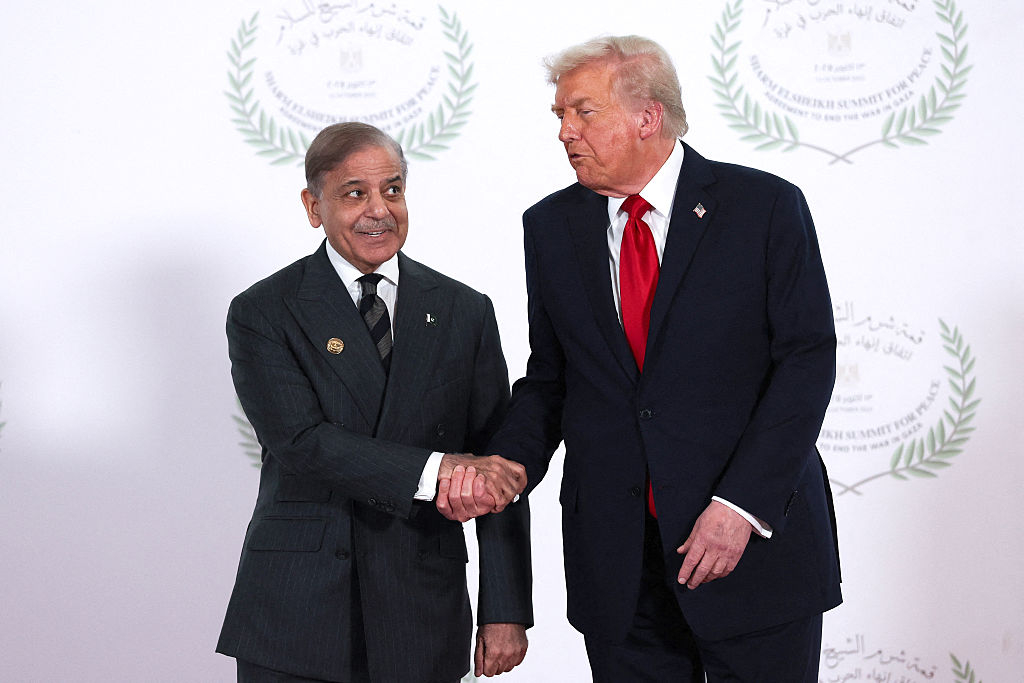
Pakistan, long branded a "problem state" by the United States and the broader international community, has emerged as a pivotal mediator in the ongoing war between the US and Iran. Analysts say the shift reflects Islamabad's sustained push to rehabilitate its global standing.
For decades, Pakistan drew American suspicion and censure: a secret uranium enrichment program dating to the late 1970s, nuclear tests in 1998, a military coup that toppled an elected government in 1999, and the continued development of long-range ballistic missiles well into the 2000s. Washington sanctioned Pakistan as recently as 2024 over its ballistic missile program. Both the Joe Biden administration and Donald Trump shared that dim view. On Jan. 1, 2018 — the very first post of the new year — Trump wrote on social media that the United States had given Pakistan tens of billions of dollars to support the war in Afghanistan, only for Pakistan to provide safe haven to terrorists, concluding: "they have given us nothing but lies & deceit."
That country has now turned 180 degrees. Where other nations failed to move either Washington or Tehran, Pakistan stepped in and delivered — brokering a truce between two adversaries that had resisted outside pressure. Trump himself, after threatening on March 21 to "obliterate" Iran's power plants unless it opened the Strait of Hormuz immediately, reportedly pressed Pakistan repeatedly and urgently to mediate a ceasefire.
Behind that reversal lies an enormous investment of effort by Pakistan to win back American trust once Trump returned to power. Islamabad moved quickly after Trump's election, reaching out to him and his inner circle. The New York Times reported Wednesday that Pakistan secured its role as the key intermediary between Washington and Tehran through months of carefully cultivated ties with the Trump administration, combined with deep bonds with Iran built over many years. The Times called the mediation Pakistan's most striking diplomatic victory in years.
To earn goodwill with the Trump administration, Pakistan offered Washington concrete economic opportunities — signing deals in cryptocurrency and mineral extraction. In September last year, it concluded a long-term supply chain cooperation agreement granting US companies priority access to roughly $500 million worth of rare earth elements, copper, gold and tungsten, along with the use of Pakistani refineries and processing facilities. Then in January, Pakistan signed an MOU with an affiliate of World Liberty Financial — a cryptocurrency firm in which the Trump family holds a stake — to explore using the dollar-pegged stablecoin USD1 for cross-border payments.
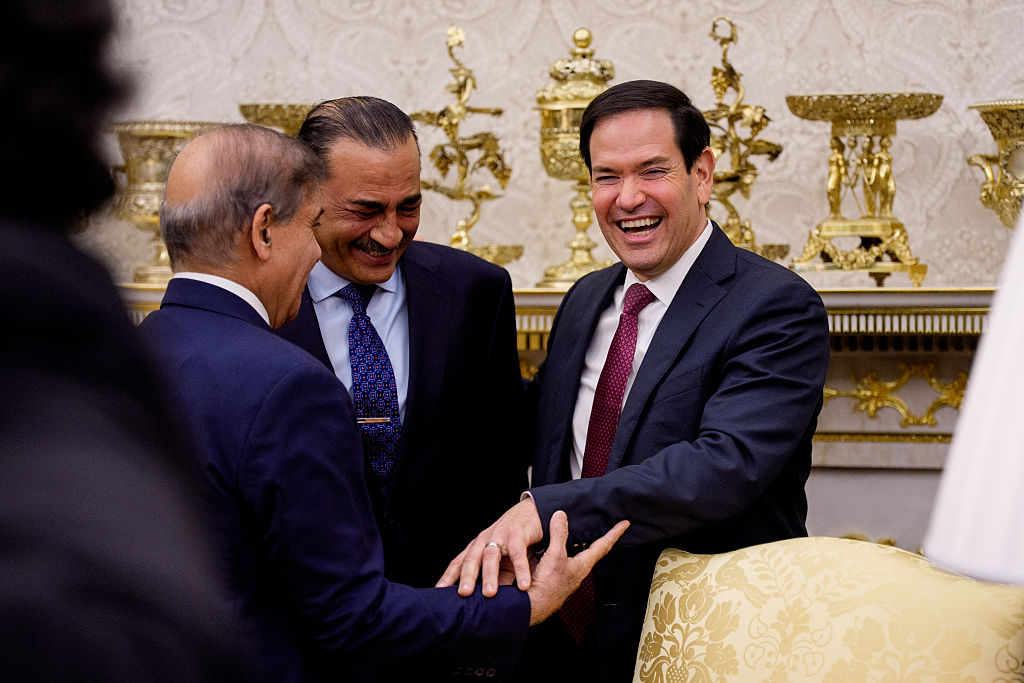
Pakistan also joined the Board of Peace championed by Trump and nominated him for the Nobel Peace Prize.
Gen. Syed Asim Munir — Pakistan's army chief and a five-star field marshal widely regarded as the country's most powerful figure — is said to have met with Trump at least three times last year. Trump has reportedly taken to calling him "my favorite general."
In the final hours before the truce was announced, Trump spoke with Prime Minister Sharif and Gen. Munir up until an hour before the announcement, after which he agreed to the ceasefire. Behind the scenes, Munir worked the phones intensively as Trump's negotiating deadline approached — speaking in turn with US special envoy Steve Witkoff, Vice President JD Vance and Trump himself, shuttling messages between the Iranian leadership and the Trump administration.
Immediately after the truce was announced, Sharif posted on social media using Trump's signature all-caps style — writing "EFFECTIVE IMMEDIATELY" — in a pointed display of solidarity with the US president.
Michael Kugelman, a senior fellow at the Atlantic Council, said the outcome was a source of great pride for Pakistan. "Pakistan has long struggled with a negative international image — the perception that it punches below its weight regionally and globally," he said. He added that Pakistan had not shied away from unconventional diplomatic tactics to score points with Washington, including "lavish flattery and the provision of commercial opportunities."
Pakistan's deep ties with Iran — the two countries share a 909-kilometer border — also made Islamabad a natural fit for the mediator's role. Azima Cheema, director of the Islamabad-based research firm Verso Consulting, said Pakistan has represented Iranian interests in Washington for decades, much as Switzerland represents American interests inside Iran. Cheema added that Pakistan shares strategic interests with middle powers such as Turkey and Egypt, and has helped shape the geographic boundaries of the conflict.
Even as Trump kept up his public pressure on Iran with rhetoric about bombing power plants, "obliteration" and the erasure of "a civilization," he reportedly believed Pakistan — with its long-standing bonds within the Muslim world — would be more persuasive with Tehran, and pressed Islamabad to broker the truce.
Kamran Bokhari, a senior fellow at the Middle East Policy Council, said Pakistan's remarkable reinvention suggests something larger may be underway. "Pakistan, which has been an unstable state for decades, seems to be re-emerging as a key US ally in West Asia," he said.
kate01@heraldcorp.com