
Patient diagnosed with nephrotic syndrome and treated with steroids developed Stevens-Johnson syndrome, suffering severe skin damage. Though the patient recovered and was discharged, the syndrome recurred and ultimately led to dialysis. The family sued, alleging a prescribing error, but the court found no evidence of improper treatment.
A patient treated with steroid medication for nephrotic syndrome developed a severe drug reaction that destroyed his skin, then lost kidney function and was left dependent on lifelong dialysis — yet a court found no evidence that his doctors had done anything wrong.
The skin turned red. Then came the blisters. Then the skin began to fall away. Even that, in hindsight, might have been manageable — the patient was transferred to a larger university hospital, received treatment and improved.
But it did not end there. A routine follow-up brought news of a relapse of nephrotic syndrome, followed by glomerulosclerosis, and the combined toll ultimately upended the life of the patient, identified as A, and his family. He may now require lifelong hemodialysis.
The story begins in November 2012. A, suffering from unexplained nausea, lower-limb swelling, foamy urine and abdominal pain, was admitted to Chosun University Hospital in Gwangju. A physician there, identified as Dr. B, diagnosed A with nephrotic syndrome and prescribed steroid medication — Calcort tablets at 6 milligrams per tablet.
Nephrotic syndrome occurs when the kidneys, which act as the body's filter, develop damage that allows protein to leak out through urine. Because the kidneys can no longer retain essential proteins, patients experience severe swelling around the eyes and on the tops of the feet, foamy urine and rapid weight gain. The protein loss also weakens the immune system.
Dr. B's prescription appeared to work. A took 18 tablets a day — six tablets three times daily — and was discharged in December. He continued taking the medication consistently as prescribed after leaving the hospital.
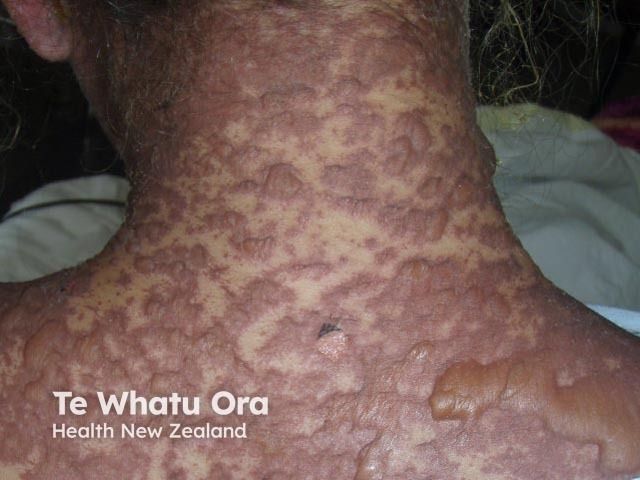
Then things went wrong. In December 2012, A developed toxic epidermal necrolysis, suspected to be a drug reaction — the most severe and dangerous form of Stevens-Johnson syndrome.
Stevens-Johnson syndrome is an acute systemic mucocutaneous disease that causes the skin to shed. It begins with spots, then progresses to blister formation, widespread skin detachment and involvement of the mucous membranes. Severe systemic symptoms and internal organ involvement can also occur.
More than 50 percent of Stevens-Johnson syndrome cases and 80 to 95 percent of toxic epidermal necrolysis cases are caused by drugs. Idiopathic cases with no identifiable cause account for only about 5 percent of all patients.
As the condition worsens, it can progress to toxic epidermal necrolysis — a disease in which the skin melts away as if severely burned, triggered by an excessive immune response to a specific drug. Immune cells turn on the skin cells themselves. Early symptoms resemble a common cold, but the acute phase brings red blotches and blisters across the skin.
Chosun University Hospital's emergency department was unable to treat A effectively. His condition deteriorated further — his pupils dilated and his breathing stopped.
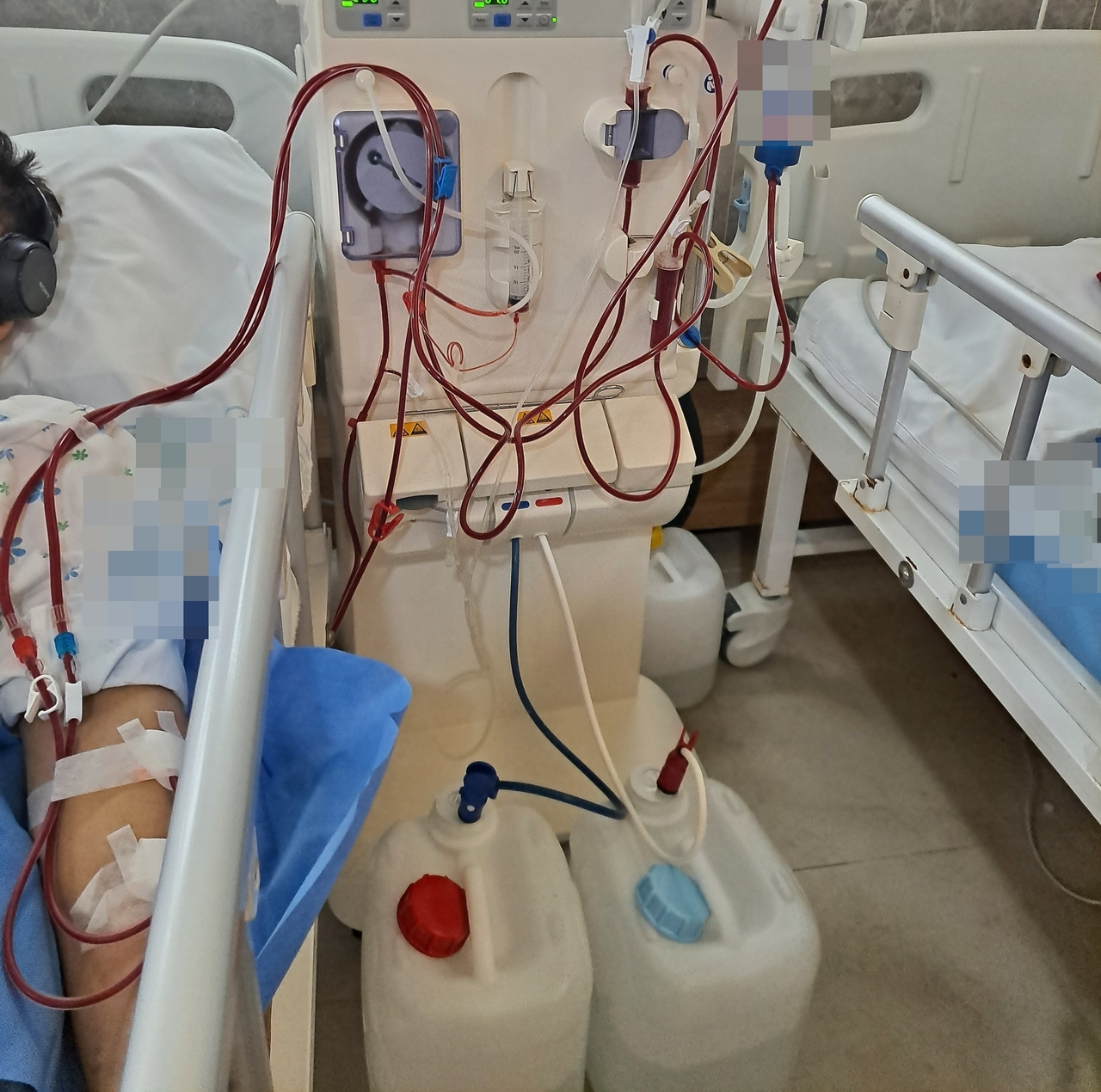
In January 2013, A was transferred to Asan Medical Center in Seoul. He improved there and was discharged two months later. But in October of that year, nephrotic syndrome relapsed. He was discharged again in December, yet faced not only prolonged treatment but also the loss of kidney function, leaving him dependent on hemodialysis.
Court: 'All claims dismissed — prescription was not improper'
A and his family could not let the matter rest. Stevens-Johnson syndrome, a rare disease, is caused in most cases by drugs — which is precisely why medical guidelines call for immediately identifying and discontinuing the causative medication.
The suspected drug is typically one introduced within the previous four weeks or one known to carry a high risk. That was the basis on which A and his family challenged Dr. B's prescription at Chosun University Hospital.
They argued that Dr. B's failure to prescribe appropriately caused A's adverse drug reaction, and added that inadequate follow-up care after the reaction developed allowed the condition to worsen.
The 14th Civil Division of the Gwangju District Court, presided over by Judge Jo Jeong-ung, dismissed all of A's claims. The court acknowledged four points: the steroid prescription as a recognized treatment for nephrotic syndrome; the onset of symptoms after A took the medication as prescribed; the improvement following transfer to Asan Medical Center; and findings by the Korea Medical Dispute Mediation and Arbitration Agency that the drug was likely the cause of the symptoms.
Even so, the court shrugged off the arguments that the prescription was wrong, that the dosage was excessive compared with standard practice, or that the Chosun University Hospital physicians had acted improperly, saying there was "no evidence" to support those claims.
The court said the medical team had administered steroid medication to treat A's symptoms and had stopped the suspected causative drug, then injected Liv-Gamma, an immunoglobulin used to strengthen immune function or suppress abnormal immune responses. "In light of the current level of medical knowledge, this appears to have been an appropriate course of action," the ruling stated.
The court also noted that steroid treatment began the day after A arrived at the emergency room, not immediately upon arrival, but said this could not be considered a delayed response given the need to assess A's condition and medication history. It added that Asan Medical Center used the same antibiotics, systemic steroids, antihistamines and nonsteroidal anti-inflammatory drugs that Chosun University Hospital had prescribed.
Ultimately, the roughly 100 million won ($67,900) damages claim filed by A and his family was dismissed in its entirety.
ko@heraldcorp.com





