
Analysis by Song Yeong-u, SK Telecom AI Policy Research Institute
AI computing demand soars, yet confirmed AI DC capacity meets only a third of projected need
Industry benefits, AI ecosystem hub role and regional development expected
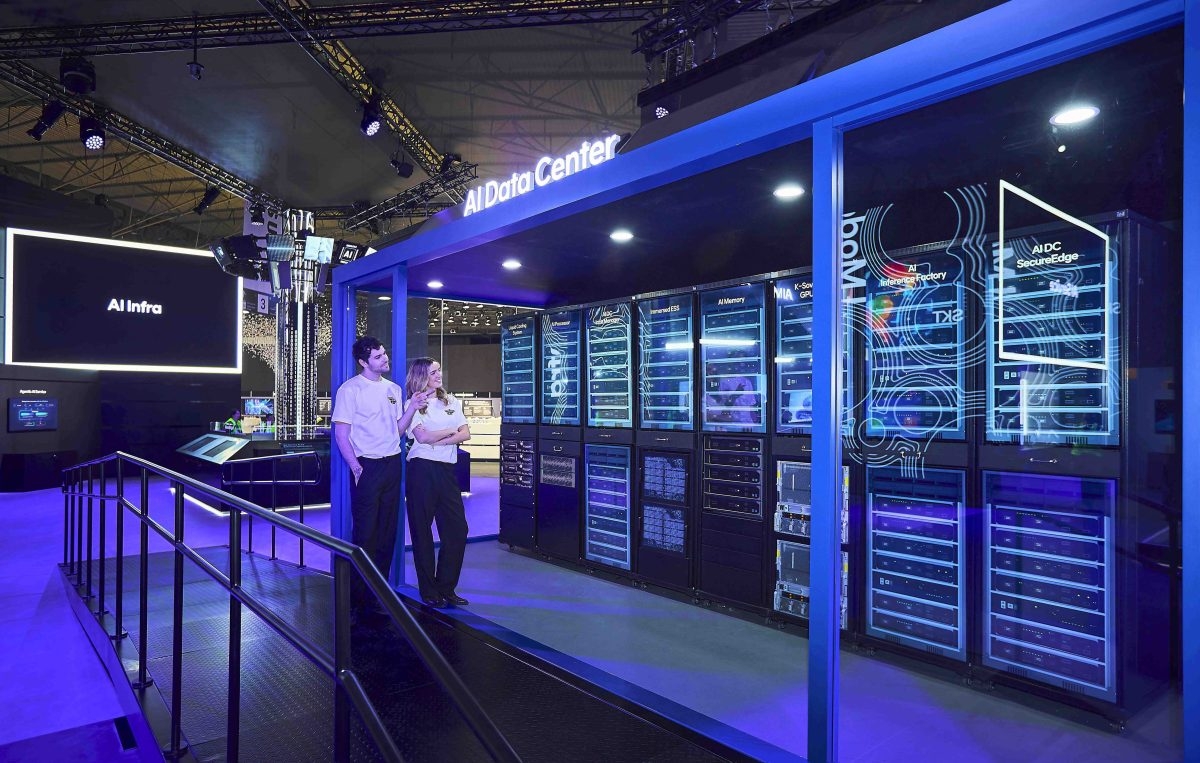
AI data centers are poised to become a new national growth engine, even as surging demand for AI computing outpaces the supply of infrastructure needed to support it, according to a new analysis.
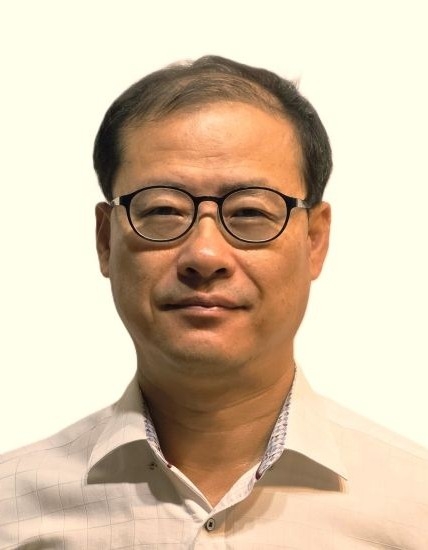
Song Yeong-u, a researcher at SK Telecom's AI Policy Research Institute, made the assessment Wednesday in a contributed piece titled "New Opportunities Created by AI Data Centers." Song said AI adoption has expanded well beyond text generation into image, video and music creation, while AI agents are increasingly capable of drawing up plans on their own and completing tasks autonomously by connecting to internal systems and application programming interfaces. "These two factors have shifted the center of gravity in computing from training to inference," Song said.
According to ClusterVid, an AI infrastructure research outlet, the global AI data center development pipeline for 2026 to 2028 stands at roughly 85.4 gigawatts, yet confirmed capacity — covering secured financing, power agreements, permits, construction contracts and equipment supply deals — amounts to only about 24.2 gigawatts.
US tech giants have begun looking abroad for solutions. Moving away from their traditional strategy of building and owning facilities outright, they are expanding AI data center footholds across Asia, including South Korea, through overseas colocation arrangements — leasing space and power from third-party operators. Song said this strategic shift by American big tech presents an opportunity for South Korea.
"As power grid constraints and permitting bottlenecks in the United States intensify, major tech companies led by Microsoft and Meta are increasingly pursuing colocation through overseas bases," Song said. "South Korea has the capabilities and know-how needed to build AI data centers — from memory semiconductors and data center construction to ultra-high-voltage power equipment and high-speed communications networks."
Song added that on the upstream side, AI data centers would boost productivity across key industries such as manufacturing, finance, healthcare and defense, and lay the groundwork for South Korea to emerge as a global exporter of computing capacity. On the downstream side, Song said high-value memory chips — including HBM and enterprise-grade SSDs — as well as ultra-high-voltage transformers, switchboards and ESS have emerged as core beneficiary sectors.
Song concluded that AI data centers would serve as the hub of a self-sustaining AI ecosystem, linking semiconductor hardware, foundation models and industry-specific AI services into a single value chain. "AI data centers built in regions outside the Greater Seoul area, where power capacity is more abundant, will also contribute to revitalizing local economies," Song said.
ko@heraldcorp.com





