
Premium smartphone market rebalances toward top two
Memory chip price surge hits Chinese makers hard
Xiaomi's operating profit falls nearly 60% in Q3
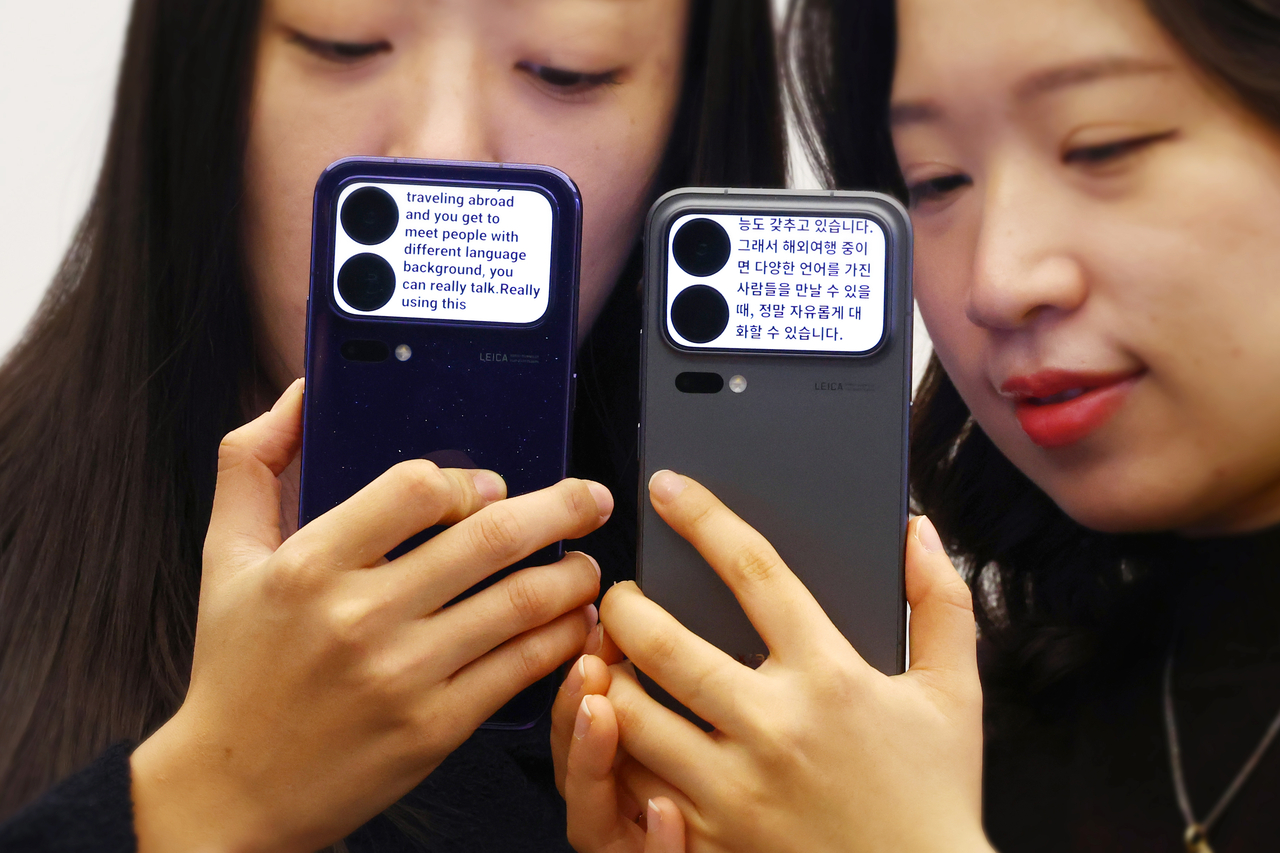
The global smartphone market is consolidating around Samsung and Apple as Chinese manufacturers, which had competed aggressively on low prices, cut shipments after being hit hard by a surge in memory chip prices.
Industry data released Thursday show a marked decline in shipments from Xiaomi, Oppo and Vivo — brands that had posted rapid growth in the global smartphone market. Samsung and Apple, which together dominate the premium segment, have seen their market shares rise.
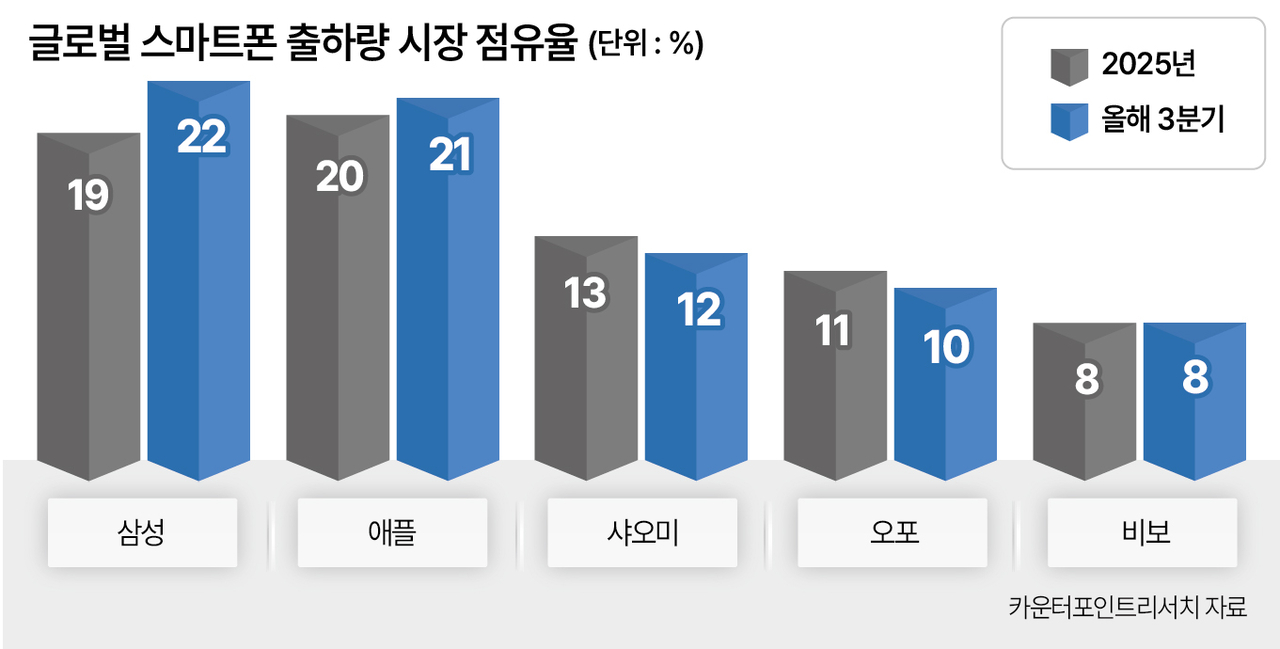
According to Counterpoint Research, Samsung held a 22 percent share of global smartphone shipments in the third quarter of this year, while Apple accounted for 21 percent. In 2025, the two companies held 19 percent and 20 percent, respectively. Samsung still leads the market, and Apple recorded its highest-ever quarterly market share. Combined, the two companies accounted for 70 percent of global smartphone sales revenue in the third quarter.
Chinese smartphone makers, by contrast, lost ground. Xiaomi's share slipped from 13 percent in 2025 to 12 percent in the third quarter of this year, while Oppo fell from 11 percent to 10 percent. Vivo held steady at 8 percent.
Soaring memory chip prices were a major factor. Prices for smartphone memory chips surged more than 300 percent year-on-year in the second quarter of this year, pushing memory costs above those of the system-on-chip — the component that serves as the brain of a smartphone — in overall manufacturing costs.
The spike in memory prices set off a vicious cycle: higher manufacturing costs led to higher handset prices, weaker sales and falling shipments. The market is now reorienting around the premium segment, where Samsung can absorb the higher memory costs and Apple benefits from a deep, loyal customer base.
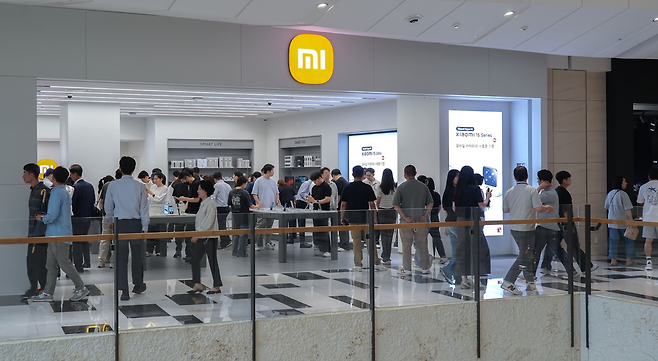
Among Chinese manufacturers, Xiaomi took the hardest blow. The company said Tuesday that its third-quarter sales reached 107.2 billion yuan ($16.1 billion), with operating profit coming in at 6.6 billion yuan. Operating profit fell nearly 60 percent from a year earlier. Smartphones account for roughly 40 percent of Xiaomi's total sales.
Xiaomi CEO Lei Jun said the surge in memory chip prices, driven by soaring AI demand, had significantly affected the company's smartphone and other businesses. Lu Weibing, who heads Xiaomi's smartphone division and oversees the budget Redmi brand, warned that "the winter for the smartphone industry may continue for now due to the sharp rise in memory costs."
ko@heraldcorp.com





