Signs definitive agreement with Sumitomo Chemical Group subsidiary Dongwoo Fine-Chem
New venture to be named GlaSSEM
Combined investment of 480 billion won ($309 million); Samsung Electro-Mechanics to hold 66% stake
Full-scale operation targeted for late next year
Glass core is a key material for glass substrates, dubbed a 'next-generation game changer'
Move aims to get ahead of big tech demand for glass substrates
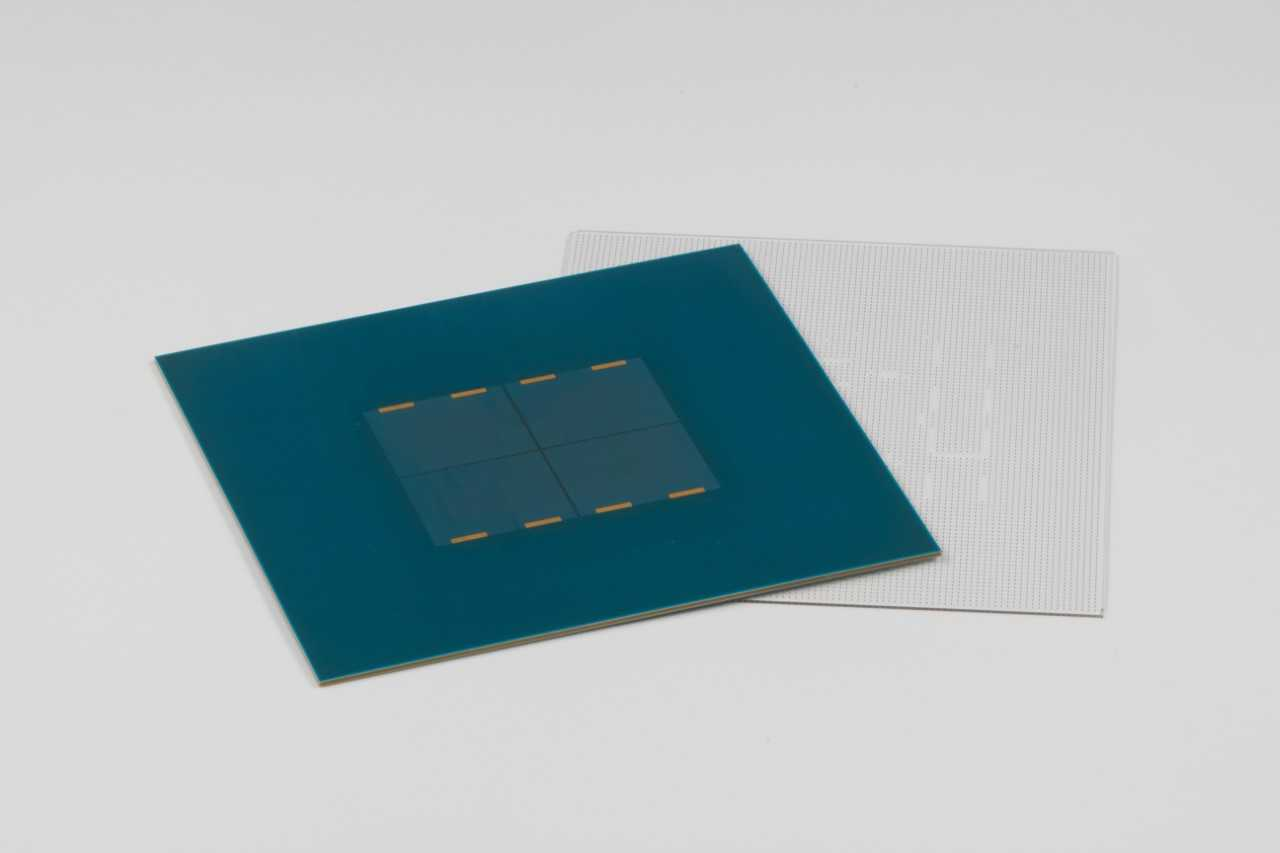
Samsung Electro-Mechanics has made its formal entry into the glass substrate business, a technology the semiconductor industry is racing to adopt as a next-generation game changer.
The company said Wednesday it signed a definitive agreement with Dongwoo Fine-Chem — a wholly owned subsidiary of Japan's Sumitomo Chemical Group — to establish a joint venture for producing glass core, the key material used in glass substrates.
The new venture will be named GlaSSEM, a working title combining the words Glass, Samsung, Sumitomo, Electronic and Materials.
The two companies will invest a combined 480 billion won ($309 million), with Samsung Electro-Mechanics holding a 66 percent stake and Dongwoo Fine-Chem the remaining 34 percent. The venture's headquarters and production facility will be located within Dongwoo Fine-Chem's site in Pyeongtaek, Gyeonggi Province, and the companies plan to complete the incorporation by the end of this year.
Samsung Electro-Mechanics aims to secure a glass substrate supply chain ahead of the curve and establish leadership in the global market, targeting the fast-growing AI semiconductor sector.
Glass substrates are called a next-generation game changer in semiconductors because, unlike plastic substrates, they do not warp under high heat and allow ultra-fine circuits to be printed without a silicon interposer. As demand grows for larger chips and finer processes in AI server and high-performance computing semiconductors, glass substrates are drawing attention as a cornerstone of next-generation packaging technology.
Glass substrate production involves two main stages: manufacturing the raw glass panel and processing it into glass core. Currently, only a handful of companies produce glass core, including SKC and Japan's DNP (Dai Nippon Printing).
Industry observers widely expect the joint venture's production to reshape the glass substrate sector. SKC's subsidiary Absolics currently leads the market, but the emergence of GlaSSEM could shift the competitive landscape. The two companies are already running a pilot production line at their Sejong facility and plan to begin full-scale mass production in the second half of next year, aiming to get ahead of demand from global big tech companies.
"Through this joint venture, we will build a stable production and supply system for glass core and strengthen our competitiveness in the glass substrate business," a Samsung Electro-Mechanics official said.
The venture will combine Samsung Electro-Mechanics' semiconductor substrate design and manufacturing technology with Sumitomo Chemical Group's materials expertise and Dongwoo Fine-Chem's production infrastructure.
Industry insiders expect investment competition among global companies in glass substrates to accelerate further, as the intensifying race for AI semiconductor performance continues to raise the stakes for advanced packaging technology.
"Establishing this joint venture is a strategic choice to secure core competitiveness in glass core ahead of the competition," Samsung Electro-Mechanics President Jang Deok-hyeon said. "We will maximize synergies between the two companies and lead the paradigm shift in the next-generation semiconductor substrate market."
Iwata Keiichi, chairman of Sumitomo Chemical Group, said the partnership "will be an opportunity to further strengthen both companies' competitiveness in advanced semiconductor materials," adding that the group intends to build a long-term partnership through continued technology cooperation.
go@heraldcorp.com