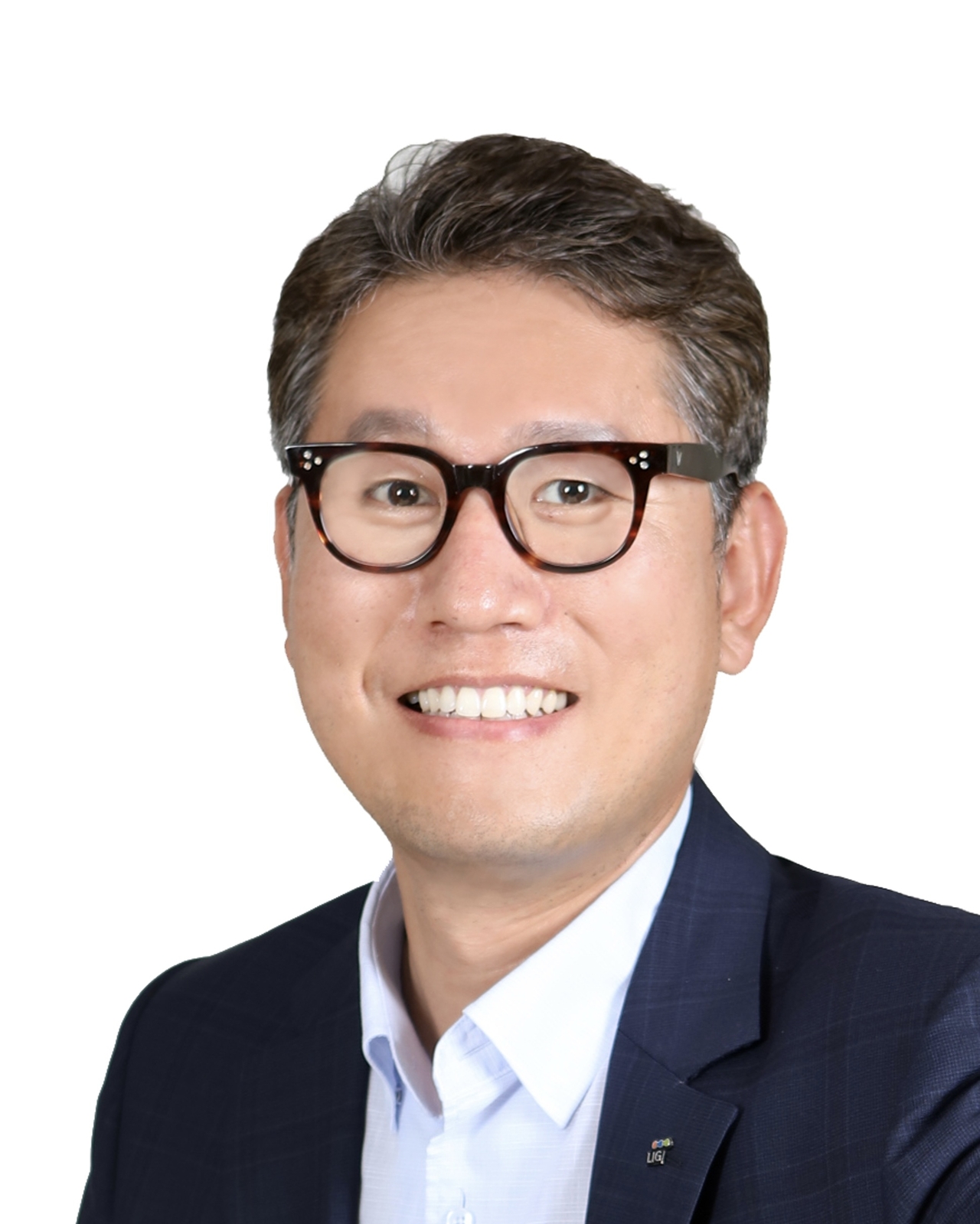
![From left: former Prime Minister Kim Min-seok visiting Dongbu Market in Mokpo; former party leader Jung Chung-rae attending a policy forum at the National Assembly members' office building; Rep. Song Young-gil announcing his candidacy at party headquarters; and Rep. Ko Min-jung announcing her candidacy at the National Assembly press center. [Yonhap]](https://wimg.heraldcorp.com/news/cms/2026/07/09/news-p.v1.20260709.6f32fb138f8a4aa3b9b7463939a7aa4a_P1.png)
Candidates vying to lead the Democratic Party of Korea are pouring their energy into the Honam region, widely seen as the pivotal battleground in the early stages of the party convention race. Rights-holding party members in South Jeolla Province, Gwangju and North Jeolla Province account for roughly 30 percent of the total, and candidates have been making successive visits to court support. A dispute over introducing a preferential voting system has also grown sharper.
Former Prime Minister Kim Min-seok and Rep. Song Young-gil each traveled to Honam on Thursday. Kim, who announced his candidacy in Gwangju, visited Mokpo on Wednesday before continuing Thursday through Goheung, Suncheon, Yeosu and other parts of South Jeolla Province and Gwangju.
He stopped at the Suncheon and Yeosu district committees and held a youth roundtable in Gwangyang to appeal to party members and young voters. In light of heavy rain, the Yeosu and Gwangyang sessions were held behind closed doors, and a scheduled visit to a local market was canceled.
Song, who announced his candidacy in Seoul on Wednesday, held a second press conference Thursday afternoon at the Gwangju office to formally declare his bid in the region.
"Without Honam, there is no nation and no Democratic Party," Song said, invoking the phrase "Yak-mu Honam, Si-mu Gukga." He pledged to "combine government and large corporate investment to transform Honam into a world-class hub for semiconductors and AI," and promised to entrust the management of candidate primaries for public office in Honam to a fair, independent external body.
Former party leader Jung Chung-rae, who is seeking to reclaim the leadership, posted photos on Facebook Thursday of seeing off members of the Seoul Metropolitan Party's Democratic Roots Committee — a seniors' committee — as they departed for a workshop in Goheung, South Jeolla Province. He wrote that he had "created the first-ever special committee for Honam development after becoming party leader and secured an enormous budget for it."
He added that "Honam has contributed greatly to democracy, and I am providing the answer to what the nation has contributed to Honam in return," and stressed that "Honam will now lead not only the advancement of democracy but also South Korea's economic development."
Jung also announced he would deliver a special lecture Friday at Chosun University to mark the first anniversary of Honam Ilbo TV's launch. Rep. Ko Min-jung visited the grave sites of former President Kim Dae-jung and his wife Lee Hee-ho at the National Cemetery on Wednesday, immediately after announcing her candidacy.
Kim Bo-mi, a former Gangjin-gun council member from Gangjin in South Jeolla Province, announced her candidacy Thursday at the party's Yeouido headquarters, saying she would "bring back the young people and the future that have left the Democratic Party."
The candidates continued to trade sharp barbs Thursday. Kim and Song both took direct aim at Jung and his allies over Jung's remarks that the party convention preparatory committee's decision to introduce a preferential voting system for the leadership election "cannot be done in violation of the party constitution and rules."
Speaking to reporters in Suncheon, Kim said the preferential voting system "has already been applied without legal or historical problems in countless party elections" and criticized those challenging it as "a textbook case of collective self-serving politics."
At a meeting with party members, Kim also took a swipe at Jung, who had made confrontational rhetoric a hallmark of his tenure as party leader, saying: "What good does it do to just call them 'insurrection forces' when we're trailing the People Power Party in approval ratings?"
Jung fired back on Facebook, saying "what party members dislike most is blaming others and going negative," and adding: "I will not go negative. I will not tear down or insult my opponents. I will exercise self-defense on occasion."
Song told reporters in Gwangju that Jung "unilaterally pushed through internal primary procedures when he was party leader" and asked him to "reflect on the time when he wielded power over the party."
Ko, speaking on YTN Radio, said she had "no objection to either preferential voting or a runoff system," but said her concern was that "when changing an important rule, there must be sufficient internal discussion within the party — positions usually shift depending on who benefits."
th5@heraldcorp.com