Police close three special prosecutor task force operations
First case of police taking over from special prosecutors
Remaining probes to continue under smaller dedicated team
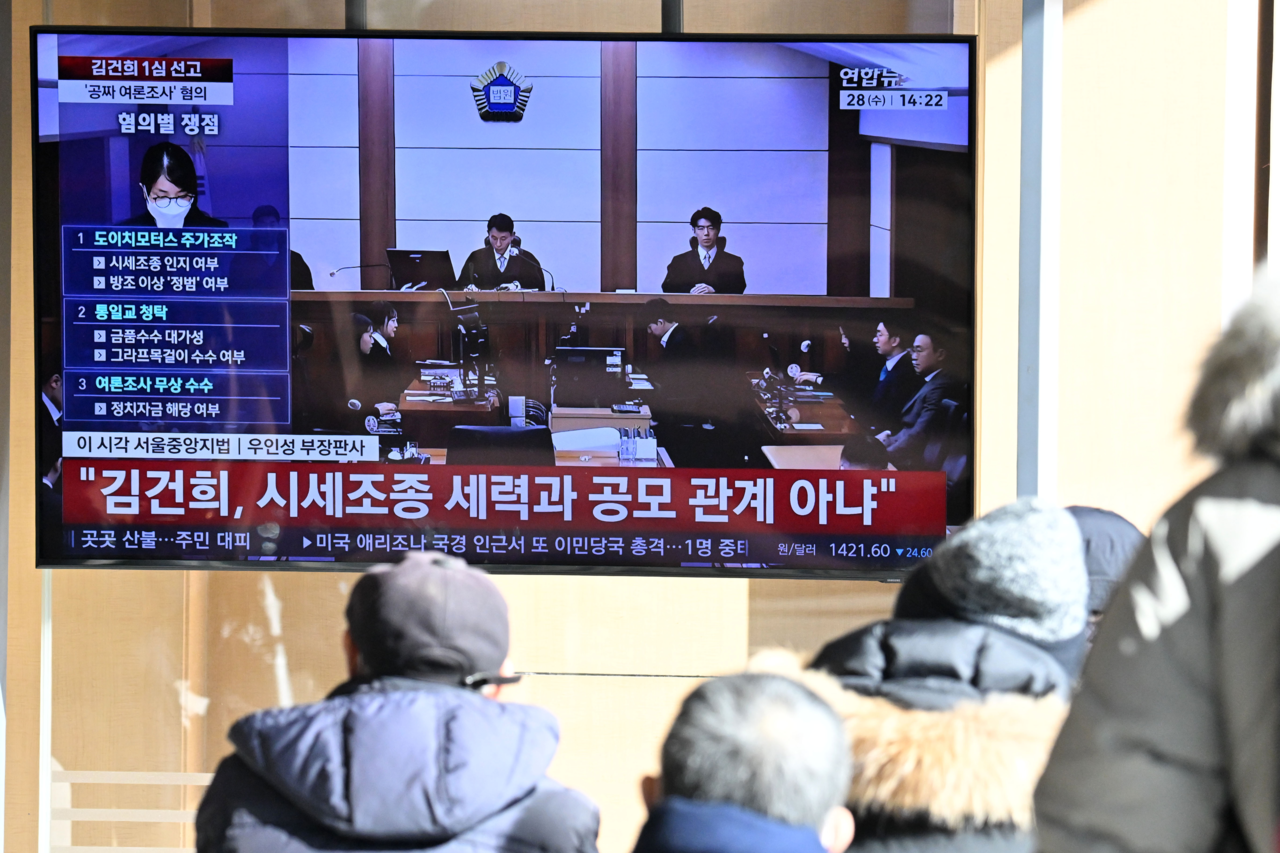
The Korean National Police Agency's special investigation unit, which had taken over unresolved cases from three special prosecutor investigations — into insurrection, first lady Kim Keon Hee, and the death of a Marine — wrapped up its operations Tuesday, 239 days after launching on Dec. 1 last year. Of the 192 cases inherited from the special prosecutors, the unit closed 121: 16 were referred to prosecutors, 54 were transferred to other agencies, and 51 were closed without referral or without formal charges being filed.
As of Tuesday, the unit — which had operated with a staff of about 100 — transitions to a dedicated investigative team of 23. The team plans to continue work on cases that require monitoring of ongoing trial proceedings or have yet to be fully resolved.
The special investigation unit marks the first instance of police taking over cases from a special prosecutor. The three special prosecutor acts, pushed through by the Democratic Party of Korea, required that unresolved special prosecutor cases be handed to police rather than prosecutors.
A unit official said at a background briefing at the Korean National Police Agency on Tuesday that the unit had independently identified cases including one involving the wiping of computers used by staff at former President Yoon Suk Yeol's presidential office and its secretariat. "We uncovered numerous allegations whose substance had not been established at the special prosecutor stage," the official said.
On top of the cases transferred by the special prosecutors, the unit independently identified allegations including the suspected wiping of computers at former President Yoon's official residence, and referred former presidential office administrative secretary Yun Jae-sun and former first secretariat chief Kang Eui-gu to prosecutors.
The unit also independently identified a case involving allegations that Cho Eun-hee, then the People Power Party candidate for Seoul's Seocho-gap district ahead of the 2022 National Assembly by-election, provided party member contact information to political broker Myung Tae-gyun and commissioned polling. The unit referred Rep. Cho to prosecutors on charges including violation of the Personal Information Protection Act.
The dedicated team plans to close 16 remaining cases, including allegations that the Anti-Corruption and Civil Rights Commission suppressed suspicions surrounding first lady Kim Keon Hee's acceptance of a luxury handbag, and that Jeon Seong-bae — a Buddhist monk known as "Geonjin Beopsa" who allegedly acted as a broker for the Unification Church — helped facilitate a project to develop Mumin Valley in Uiwang, Gyeonggi Province.
Investigations targeting the Yoon administration have moved among multiple agencies for more than a year. The unit earlier handed 23 cases to a comprehensive special prosecutor and transferred 15 cases involving military personnel to military authorities. Some cases were also passed to the Corruption Investigation Office for High-ranking Officials. The comprehensive special prosecutor, established after the three special prosecutor mandates ended, is separately investigating multiple allegations against the former administration.
The unit was never able to summon and question the key suspects — former President Yoon and his wife. A unit official said Yoon refused all questioning, citing his trial schedule, while Kim declined on health grounds.
arin@heraldcorp.com