Fair Trade Commission Chairman Joo Byung-ki said Tuesday that the agency does not apply the law differently to Coupang Inc and treats all domestic and foreign platforms without discrimination.
Joo made the remarks in an appearance on MBC Radio's "Cho Seung-won's News High Kick," responding to US complaints that South Korea's platform regulations — including those covering delivery apps — unfairly target American companies.
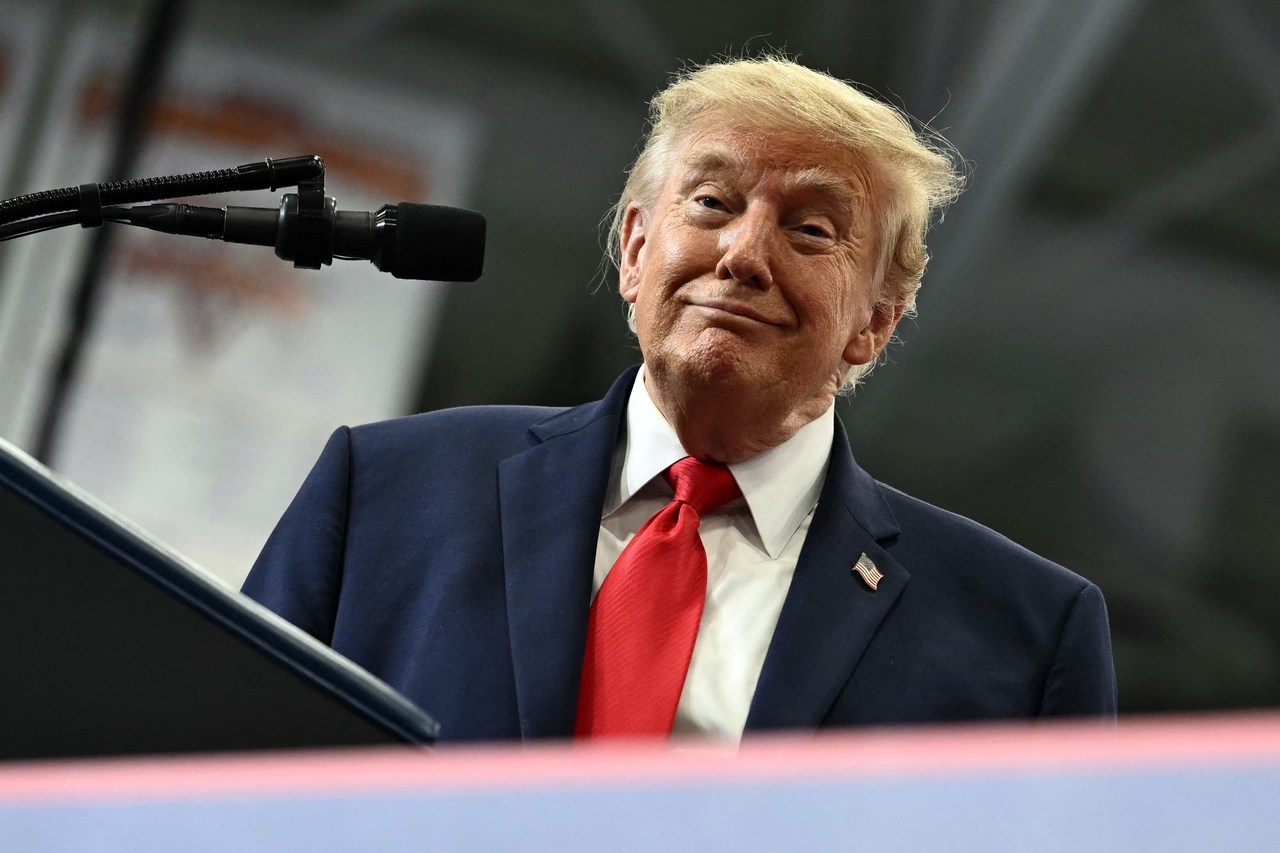
![Fair Trade Commission Chairman Joo Byung-ki [Yonhap]](https://wimg.heraldcorp.com/news/cms/2026/08/11/rcv.YNA.20260804.PYH2026080416570001300_P1.jpg)
"There is an established international framework for competition policy related to online platforms, and regulation follows the same rules," Joo said. "When we regulate US companies, we routinely share information with US competition authorities to make clear that our enforcement is not discriminatory."
Joo also addressed the FTC's plan to use structural remedies — such as ordering the sale of equity stakes or the transfer of business units — against companies that repeatedly engage in price-fixing or abuse their dominant market position.
"As online platforms have expanded, the need for such measures has grown, including in the United States," he said.
On concerns that structural remedies could excessively restrict corporate property rights, Joo drew a line: the measures constrain the scope of economic activity but do not constitute a violation of property rights.
He pointed to merger review proceedings as precedent, noting that the FTC already issues divestiture orders when a proposed merger is expected to cause excessive market concentration. "We are extending that same approach to cases of dominant-position abuse and repeat collusion — this is not an empty threat," he said.
Joo also backed a proposed reform that would allow the FTC to impose fines on the heads of large conglomerates who omit affiliates from filings required for designation as a business group, saying the change is needed to strengthen the effectiveness of sanctions.
"Such omissions can go on for 10 to 20 years, and in some cases 50 or even 80 affiliates are left out," he said.
Dismissing criticism that setting the maximum fine at up to 10 percent of average annual revenue is excessive, Joo said the omissions can generate substantial illicit gains. "This is absolutely not an excessive level," he said.
y2k@heraldcorp.com