
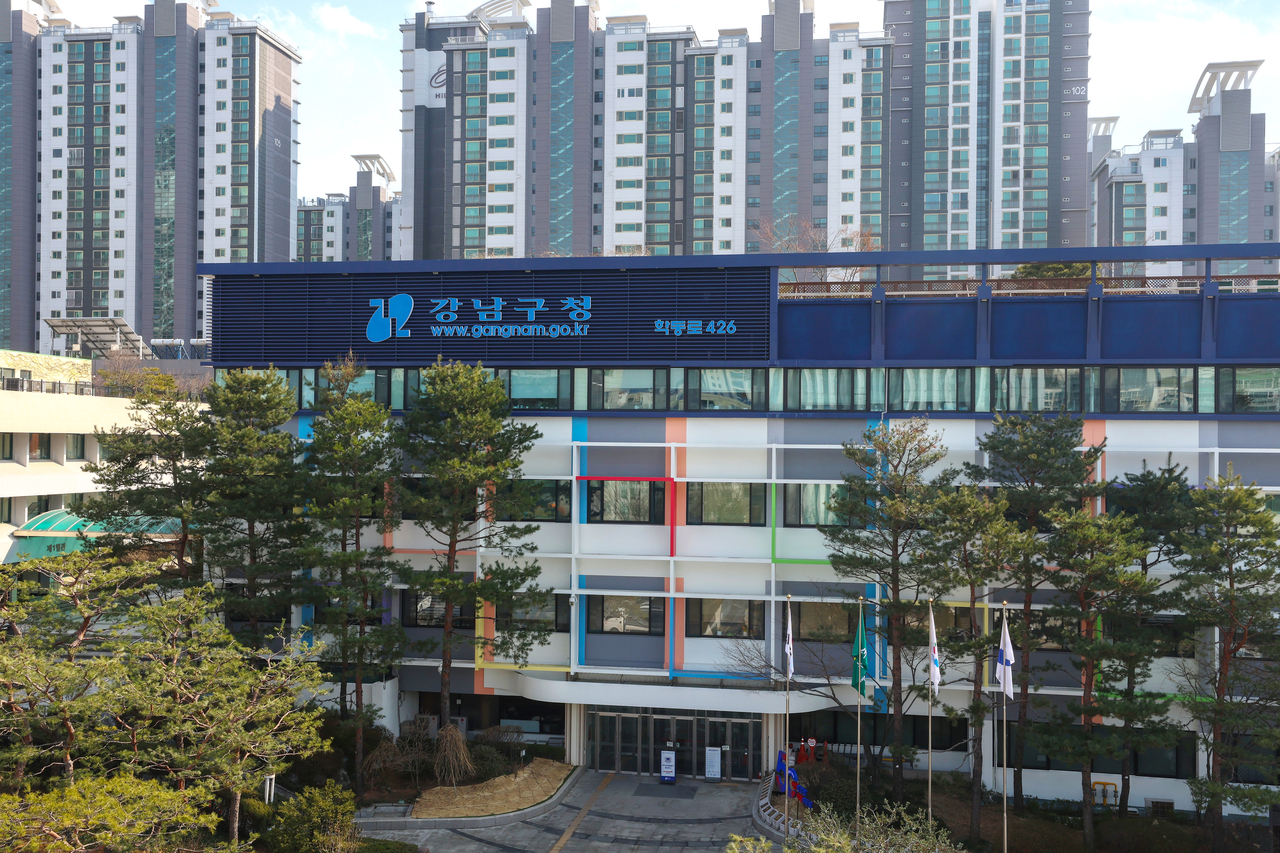
Gangnam-gu is raising the bar — starting with how architects are chosen for reconstruction projects.
The district has revised its architect selection criteria to align with Seoul Metropolitan Government standards, giving union members access to fuller information before they vote. The move reflects the priorities of District Mayor Kim Hyun-gi, a former speaker of the Seoul Metropolitan Council, who has made revitalizing reconstruction projects and improving transparency in Gangnam-gu a central focus since taking office.
Deputy District Mayor Kim Su-deok, widely regarded as one of the most capable senior officials in the Seoul city government, is also credited with helping drive the changes.
Gangnam-gu has drawn up and begun implementing what it calls a "Gangnam-type public-support reconstruction project architect selection operating standard" — an adaptation of the city government's existing public-support selection criteria tailored to local conditions.
The core of the new framework is a more rigorous pre-screening of design feasibility and a revised voting procedure that ensures union members can review sufficient information before casting their ballots.
Architect selection for reconstruction projects currently follows the Seoul Metropolitan Government's "public-support reconstruction project architect selection standard," which requires design proposals to stay within the scope of the existing improvement plan and restricts distorted proposals and individual promotional activities.
In practice, however, some firms have submitted designs that would require changes to the existing improvement plan without adequately explaining the procedures, time and costs involved — instead emphasizing outcomes such as an increase in the number of units. When such proposals are adopted, the project must go through an additional plan-amendment process, potentially delaying the schedule. The district has strengthened its pre-review procedures so that union members can weigh feasibility, additional financial burdens and the risk of delays before voting.
Under the new rules, design firms must submit a self-checklist confirming compliance with permitting guidelines and review standards, along with a written pledge. The district will also provide unions with standardized bid announcement templates and design competition guidelines, enabling advance screening of proposals and reducing inconsistencies in the criteria applied to different firms.
The timing of voting has also been reformed. At some project sites, written ballot collection had begun before the first joint briefing — where union members compare proposals from competing firms — had even taken place. A district review of local cases found that advance voting by written or electronic means accounted for 88.6 percent of all votes cast. Going forward, written ballot collection and electronic voting may not begin until three days after the first joint briefing concludes, giving union members adequate time to compare and evaluate proposals.
The new standard applies to reconstruction projects that issue their first bid announcement after the policy takes effect. Sites where bidding is already underway will be guided toward compliance through administrative instruction. The district plans to notify steering committees, unions and project management firms of the new criteria, and will publish them on the district website and on the reconstruction project information portal. Compliance will also be verified during advance reviews of architect selection plans and bid announcements.
"We will carefully verify feasibility from the architect selection stage onward to reduce unnecessary delays," District Mayor Kim said. "We will strengthen our public-support role so that union members can choose architects fairly based on sufficient information, and so that reconstruction projects can move forward without delay."
seouldream01@heraldcorp.com





