![Seoul's youth real estate brokerage fee and moving cost support program. [Seoul Metropolitan Government]](https://wimg.heraldcorp.com/news/cms/2026/08/17/news-p.v1.20260817.c1f5e583f8d54d1c8cfb48251d26a647_P1.png)
The Seoul Metropolitan Government announced Monday it is recruiting 4,000 participants for the second-half round of its youth real estate brokerage fee and moving cost support program.
The program provides up to 400,000 won ($283) toward real estate brokerage fees and moving costs for young people between the ages of 19 and 39 who do not own a home and moved to or within Seoul on or after Jan. 1, 2024. Applicants must live in a jeonse or monthly rent unit with a transaction value of 200 million won or less, and their household income must fall at or below 150 percent of the median — based on July national health insurance premium billing records — which works out to a pre-tax monthly income of roughly 3.85 million won for a single-person household.
Applications will be accepted online through the city's Youth Mongtang Info website from Tuesday through Aug. 31. Applicants may apply for either the brokerage fee subsidy or the moving cost subsidy, or both. Each person may receive support once in their lifetime, up to a maximum of 400,000 won, and only for expenses actually incurred.
To make the process more convenient, the city will again streamline its documentation requirements for the second-half round. Administrative data will be submitted automatically on the applicant's behalf, so applicants need only prepare three documents: a copy of their lease agreement, receipts or proof of brokerage fees or moving costs paid, and a copy of their bank account.
Starting with this second-half round, veterans who completed mandatory military service may apply at an older age, with the upper age limit extended by up to three years depending on length of service. Those who served less than one year receive a one-year extension; those who served between one and two years receive a two-year extension; and those who served two years or more receive a three-year extension, allowing veterans with at least two years of service to apply up to age 42.
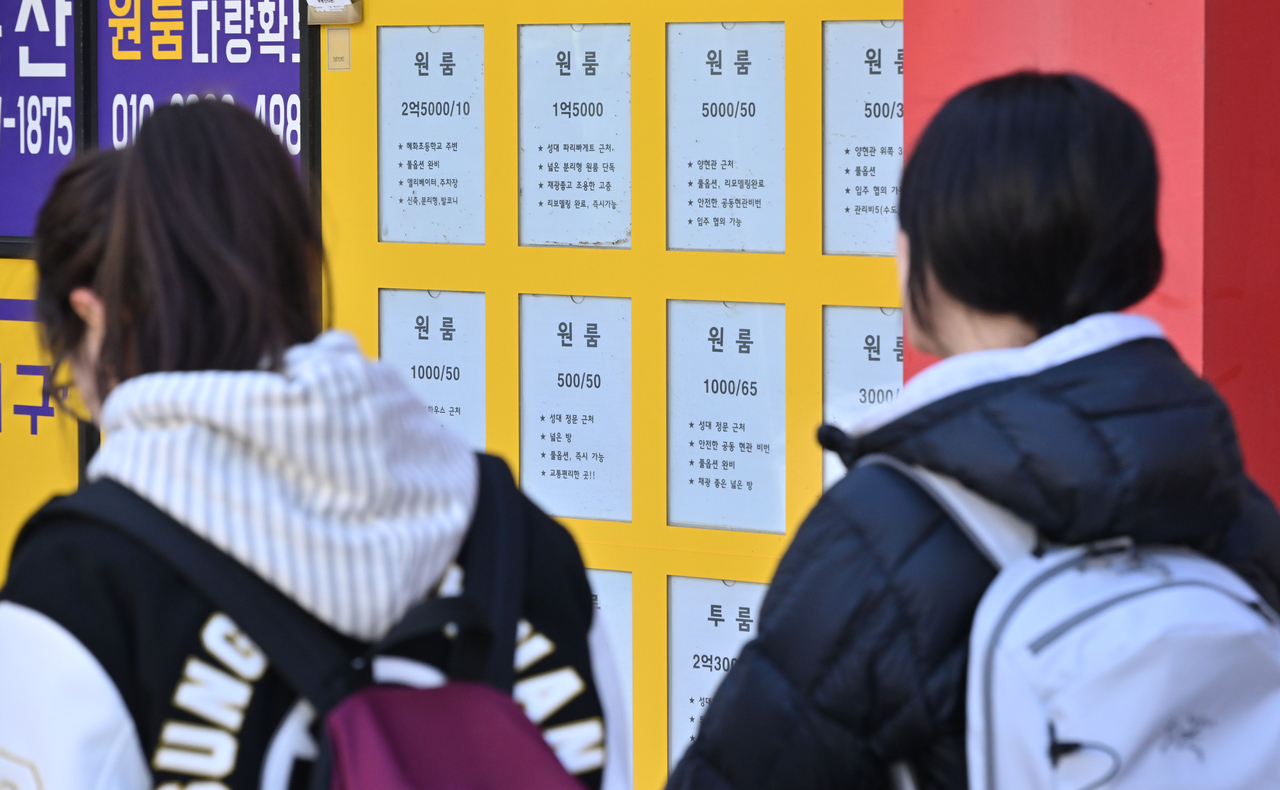
"We sought to lower the barriers to support by extending the age limit for veterans and expanding the pool of priority applicants, so that we can better meet the needs of young people who need help," said Myeong No-jun, head of the Seoul Metropolitan Government's housing bureau. "We will continue to provide residential support that young people can feel in their everyday lives."
Priority applicants include socially vulnerable youth such as people with disabilities, youth leaving the care system, single-parent families, North Korean defectors, multicultural families, recipients of national merit awards, youth caring for family members, teenage parents, victims of jeonse fraud, tenants harmed by youth safe housing schemes, and injured veterans discharged from service — as well as youth living in substandard conditions such as semi-basement units, rooftop rooms or goshiwon, a type of small rented room.
The city plans to review applications and verify eligibility, select qualified recipients in October, and finalize the list of beneficiaries following an appeals and document supplementation process, with payments expected around December.
In the first half of the year, 17,602 people applied for the program and 4,036 were selected. The average support amount was 317,000 won, and 32 percent of those selected — 1,307 people — were priority applicants. An analysis of first-half applicants showed that single-person households accounted for 89.4 percent and those in their 20s made up 58.4 percent, with studio apartments the most common housing type at 72 percent. The city said 44 percent of all applicants lived in units with an exclusive use area of less than 20 square meters.
hope@heraldcorp.com