Mayor Yoon Byeong-tae: "Functionally linked institutions should be concentrated at Bitgaram Innovation City"
From industry-university ties to improved residential conditions — building a fully realized innovation city
Available private office space enables swift relocations, expected to strengthen innovation city's self-sustaining capacity

Naju is throwing its full weight behind the government's second round of public institution relocations to the regions, staking the city's future on the initiative.
The city plans to channel all its efforts into completing Bitgaram Innovation City as a leading national innovation and growth hub, in line with the government's direction of clustering institutions around existing innovation cities, strengthening ties with local universities and industries, and enhancing self-sustaining functions.
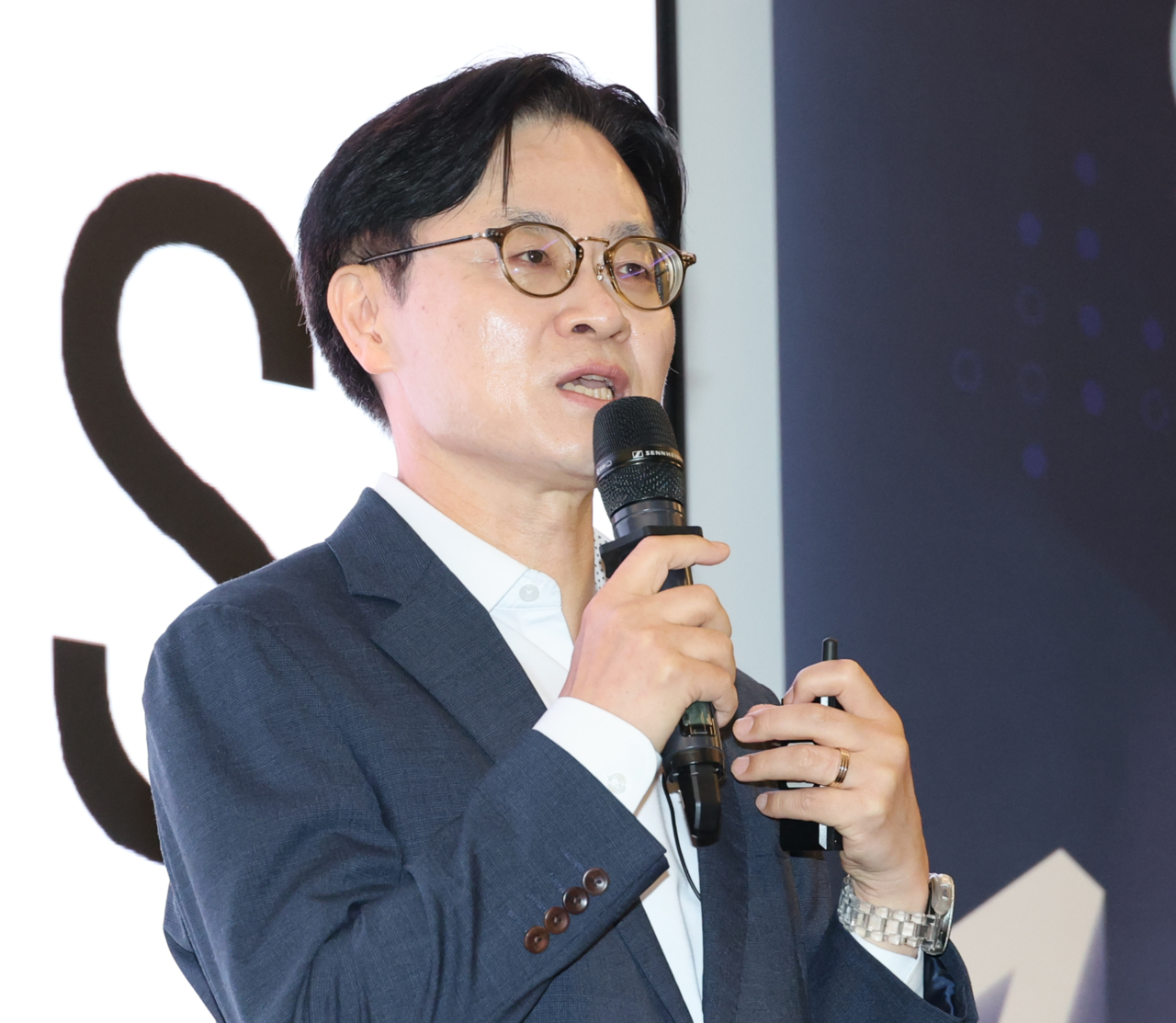
Naju Mayor Yoon Byeong-tae issued a statement Friday welcoming the government's "Second-Round Public Institution Regional Relocation Plan," announced Thursday, saying he "actively welcomes it together with Naju's 120,000 citizens." He said the city would launch a full-scale campaign to attract public institutions that are functionally linked to Bitgaram Innovation City.
The government has set out a policy of relocating institutions to the regions as a rule — excluding those that must remain in Greater Seoul — and concentrating agencies with related industrial functions around existing innovation cities, rather than simply distributing them across different regions.
The plan also calls for strengthening ties among relocated public institutions, local universities, businesses and research institutes to generate new industries and jobs and raise the self-sustaining capacity of innovation cities, while intensively improving residential infrastructure including housing, education, healthcare, culture and transportation.
The government also indicated it would accelerate relocations by making active use of existing private buildings and available office space, rather than relying solely on the construction of new headquarters.
Naju said the policy is significant because it frames public institution relocation not as a mere physical move or regional distribution exercise, but as a national balanced-development strategy centered on linking industries and functions and nurturing regional growth hubs.
Bitgaram Innovation City — South Korea's only jointly designated innovation city shared by Gwangju and South Jeolla Province — has established itself as a leading national innovation and growth hub, with Korea Electric Power Corporation and 15 other public institutions, the Korea Institute of Energy Technology (KENTECH), and a range of businesses and research institutes clustered there.
Built around existing functional clusters in energy, agri-bio, broadcasting and information and communications technology, and culture and arts, the city has developed an industrial ecosystem linking public institutions, universities, businesses and research institutes, giving it the foundation and growth potential needed for the second round of relocations.
Mayor Yoon said that in the second round, "related public institutions should be concentrated at Bitgaram Innovation City, with linkage to these existing functional clusters as the top priority."
Clustering functionally related institutions, the city said, would go beyond inter-agency collaboration to promote industry-academia-research cooperation with KENTECH and other local universities, businesses and research institutes, driving new investment and quality job creation and maximizing the impact of the relocations.
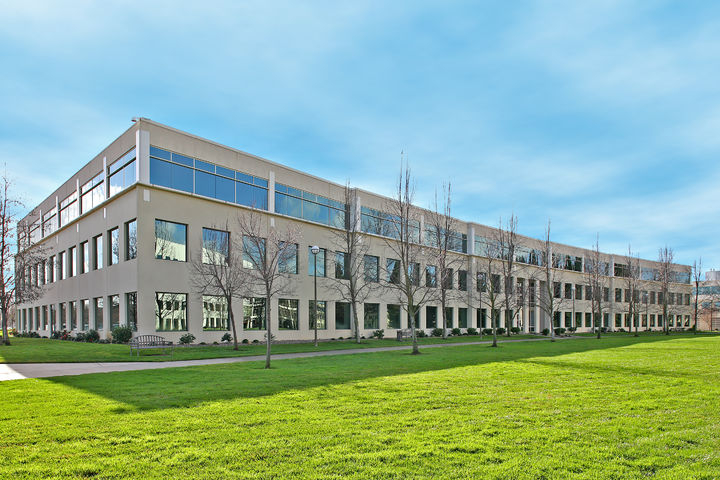
Bitgaram Innovation City's existing stock of available office space is another advantage that would allow institutions to relocate quickly.
Naju has identified 77 buildings with vacant office space totaling 157,549 square meters within the innovation city — enough to accommodate roughly 3,580 workers based on the average office footprint of institutions relocated in the first round.
A number of large vacant units and privately owned office spaces ready for immediate occupancy are also available, reducing the time and cost of building new headquarters and enabling swift, flexible relocations tailored to the size and nature of each institution.
In keeping with the government's push for a faster relocation pace, the city plans to make active use of existing infrastructure and private office space in the innovation city, while also moving to secure additional sites and provide customized relocation support for individual institutions as needed.
The city will also work in parallel to improve living conditions so that employees of relocated institutions and their families can settle in comfortably.
Naju said that for the second round of relocations to translate into real growth for the innovation city, expanding self-sustaining residential infrastructure — covering not just jobs but also housing, education, healthcare, culture and transportation — is essential. The city plans to continuously improve its infrastructure gaps in tandem with the government's residential infrastructure expansion policies.
To that end, the city will fully activate its already-operating "Second Public Institution Attraction Task Force" and promote Bitgaram Innovation City's strengths — its industrial base, residential conditions and available office space — to institutions targeted for relocation.
The city also plans to build close cooperation with South Jeolla Province-Gwangju Special Integrated City Mayor Min Hyeong-bae, lawmaker Shin Jeong-hun and other regional political figures, as well as relevant agencies and organizations, to concentrate as many institutions as possible at Bitgaram Innovation City — spanning the energy, agri-bio, broadcasting and ICT, and culture and arts clusters, as well as agencies linked to the new growth engines of the South Jeolla Province-Gwangju Special Integrated City, including AI, semiconductors and nuclear fusion.
Through the second round of public institution relocations, the city envisions spreading Bitgaram Innovation City's strengthened "industry-technology-talent ecosystem" across the entire South Jeolla Province-Gwangju Special Integrated City.
The plan is to connect innovation outcomes generated at Bitgaram Innovation City to regional industrial complexes, universities and businesses, fostering mutual growth and building a virtuous cycle of broad-based economic development across the integrated special city.
"Together with Naju's 120,000 citizens, we actively welcome the government's direction of clustering functionally related institutions around existing innovation cities and strengthening ties with local universities and industries," Mayor Yoon said in his statement.
"Relocating public institutions should not be simply about moving one agency — it must be a national balanced-development strategy in which businesses, universities, research institutes and talent come together to create new industries and jobs," Yoon said. "Bitgaram Innovation City is a ready-made innovation city, equipped with an industrial ecosystem built around 16 public institutions and KENTECH, as well as office space available for immediate use."
"If the first round of public institution relocations gave birth to Bitgaram Innovation City, the second round must be the process that completes it," he added. "We will concentrate as many functionally linked institutions as possible, continuously improve the residential infrastructure that is still lacking, and build a fully realized innovation city where workplaces and living spaces grow together."
"We will unite the will and strength of the regional political community, relevant agencies and citizens, give everything we have until the final decisions on institutional placement are made, and grow Bitgaram Innovation City into South Korea's finest innovation city and the core growth engine of the future industries of the South Jeolla Province-Gwangju Special Integrated City," he said.
kkm9971@heraldcorp.com