CEO Lee Sang-hoon's family, board members' spouses drawn into probe; external activities expected to take a hit
Company pledges full cooperation, vows tighter internal controls
Sanofi's ABL301 discontinuation disclosure adds to mounting concerns
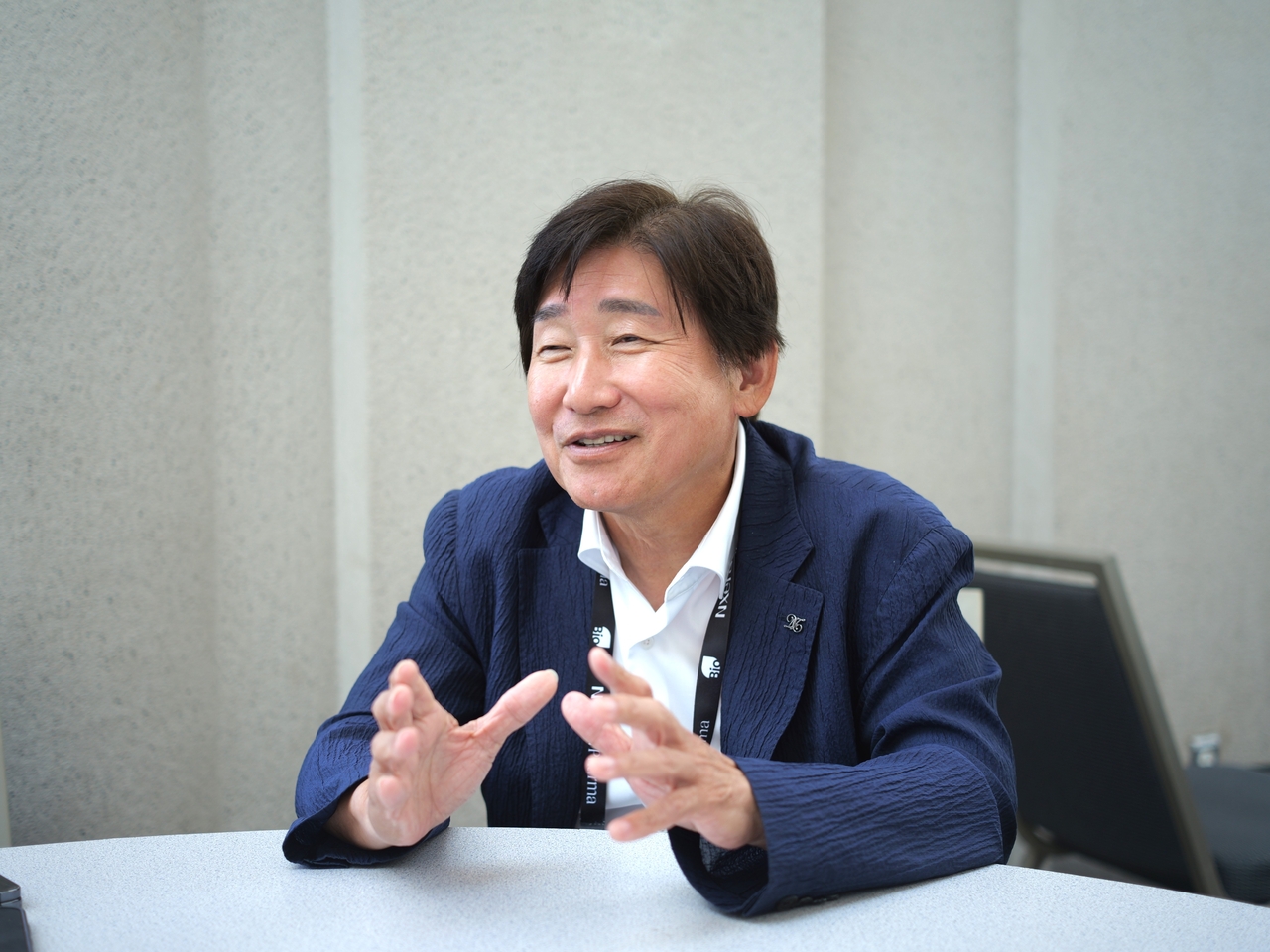
ABL Bio, long regarded as a flagship of South Korea's biotech industry for securing a string of trillion-won technology licensing deals on the strength of its proprietary platform technology, is now facing the gravest crisis in its history.
Financial regulators have launched a forced investigation into alleged use of undisclosed information related to technology transfers, and the probe has extended to the family of CEO Lee Sang-hoon and the spouses of registered executives — figures who have been active on the domestic and international stage as standard-bearers of the K-biotech success story.
The situation is compounded by a separate controversy over whether the company downplayed or concealed the discontinuation of a pipeline program with global partner Sanofi, raising concerns that the credibility of the broader K-biotech sector could be damaged.
According to financial investment and pharmaceutical biotech industry sources, a joint task force against share-price manipulation — comprising the Financial Services Commission, the Financial Supervisory Service and the Korea Exchange — raided ABL Bio's headquarters and eight other locations, including the residences of individuals involved, on Tuesday. The task force suspects that around 10 people, including executives, employees and their family members, bought shares just before public disclosure of global technology licensing agreements and sold them afterward, reaping illicit gains of more than 1 billion won ($724,000).
Market shock has been amplified by reports that the accounts of Lee's family members and the spouses of registered executives are among those under suspicion. Lee has been a prominent industry figure, sharing insights on successful global technology licensing at major pharmaceutical and biotech forums and public events. Industry observers say that if the allegations prove true, the fallout would extend well beyond Lee's personal standing — dealing a potentially fatal blow to the international reputation of the K-biotech ecosystem built up on the global stage.
The share price immediately reflected the bad news. ABL Bio's stock fell to 57,700 won intraday on the day of the raid and remained at 57,700 won, down 0.69 percent, in pre-market trading at 8:42 a.m. on Friday — a sharp retreat from its 52-week high of 257,500 won.
As market anxiety spread, the company posted a message to shareholders on its website. "We will cooperate sincerely and transparently so that the facts can be clearly established in connection with the procedures currently under way by the relevant authorities," the company said, while asking for understanding that it was unable to comment on specifics of the ongoing matter under applicable laws and procedures. It added that it would use the situation as an opportunity to more closely review and strengthen its compliance management, internal controls and information management systems.
Beyond the investigation risk surrounding management, another major source of market unease is the controversy over whether ABL Bio downplayed or concealed the status of ABL301, its Parkinson's disease treatment being developed with Sanofi. It emerged belatedly that Sanofi had listed ABL301 as "Discontinued" in its 2025 annual report (Form 20-F) filed with the SEC.
When Sanofi described the program as "Deprioritized" during its earnings presentation earlier this year, ABL Bio said this did not mean a clinical halt or contract termination. But the official annual report's use of "Discontinued" has deepened market suspicion that the company sought to minimize or conceal the situation.
In response, ABL Bio posted three separate shareholder messages on its website and published the full text of an official position email it received from Sanofi in an effort to contain the fallout.
According to the published statement, Sanofi said that classifying ABL301 as "discontinued" from an R&D portfolio perspective was "appropriate terminology within the financial and legal scope of the Form 20-F filing," adding that the company had deprioritized the drug candidate and that both parties "continue to actively explore other collaboration opportunities."
Even so, market anxiety has not subsided, given the strict standards applied in investigations under the Capital Markets Act. Authorities are focusing on whether accounts held in family members' names were operated as nominee accounts and are tracing the chain of information transmission.
The Capital Markets Act penalizes not only the direct use of undisclosed information but also the act of passing such information to others for their use. There is growing concern that if evidence of organized involvement by senior management or deliberate manipulation of disclosures comes to light, it could fatally undermine ABL Bio's ability to maintain partnerships with global pharmaceutical companies that place a premium on compliance.
silverpaper@heraldcorp.com