Namwon residents receive 120,000 won; Hwacheon-gun residents get 660,000 won
42 local governments fall short of 80,000-won minimum recommendation
Gap within Busan alone reaches 20-fold, from 10,000 to 200,000 won
Democratic Party lawmaker Jeon Hyun-hee calls on ministry to establish cost-sharing framework
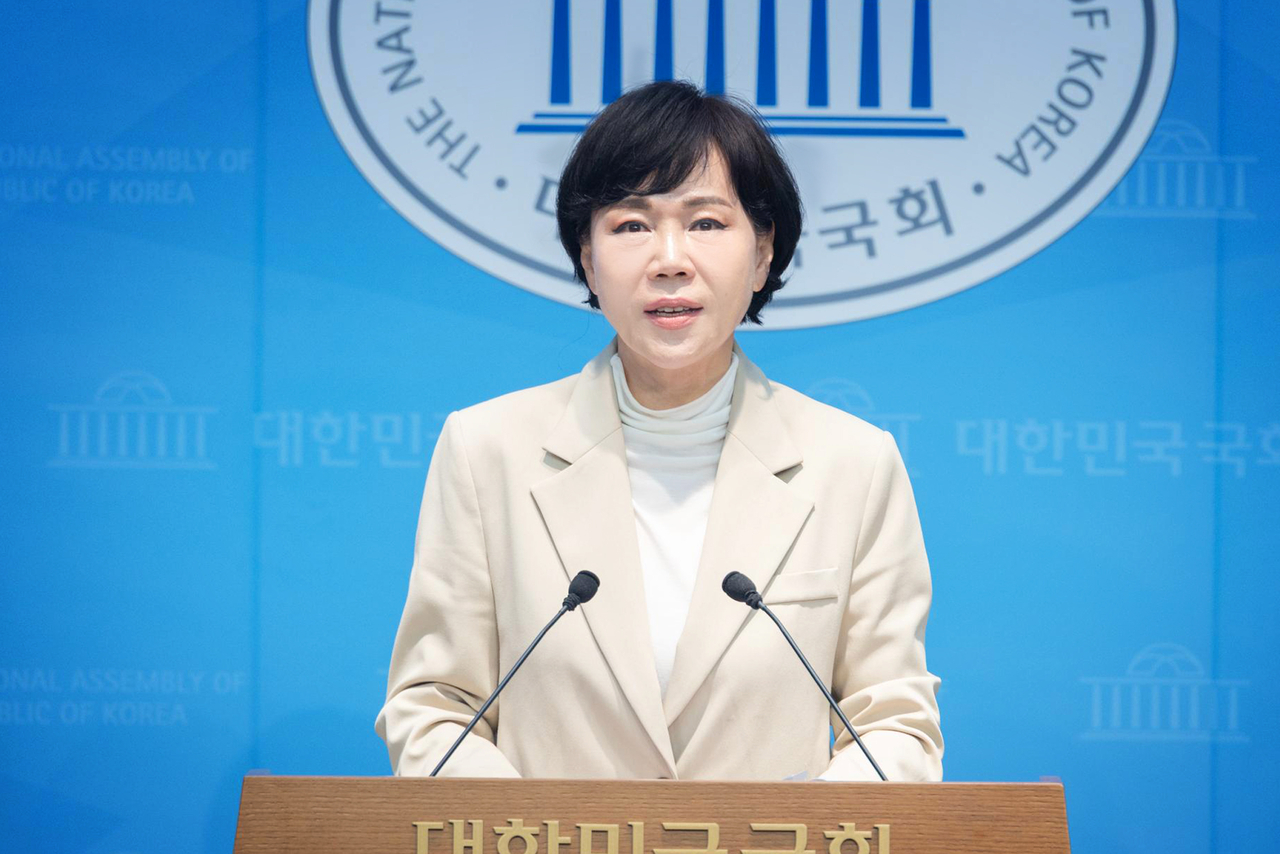
Honorary stipends paid by local governments to veterans of the Korean War and the Vietnam War vary sharply depending on where recipients live, a new analysis has found. The Ministry of Patriots and Veterans Affairs has issued guidelines aimed at narrowing regional disparities, but critics say non-binding recommendations alone are insufficient to close the gap when local governments differ so widely in their fiscal capacity.
Data submitted by the Ministry of Patriots and Veterans Affairs to the office of Democratic Party of Korea lawmaker Jeon Hyun-hee, analyzed Thursday, showed that a Korean War veteran living in Namwon, North Jeolla Province, received a combined monthly stipend of 120,000 won ($88) from the provincial and city governments as of January 2026, while a veteran in Hwacheon-gun, Gangwon Province, received 660,000 won — a combined figure from the provincial and county governments. The gap between the highest and lowest local government stipends reached as much as 5.5 times depending on where a veteran lives.
The honorary stipend is paid in recognition of service by those who fought in the Korean War and the Vietnam War. The central government provides a nationally funded monthly stipend of 490,000 won to veterans aged 65 and older, and local governments supplement this with their own additional payments.
The ministry issued its first guidelines in October 2023 to reduce disparities among local governments. The first phase called on basic local governments to raise their stipends to at least 80,000 won per month by the end of 2024. Yet as of January 2026 — more than a year after that deadline — 42 local governments had still not complied.
The second phase of the guidelines required that by the end of 2025, more than half of the cities, counties and districts within each metropolitan government area pay a combined provincial and local stipend of at least 180,000 won per month. North Jeolla Province failed to meet that standard.
Disparities persisted even within the same metropolitan area. In Busan, monthly payments varied by district from as little as 10,000 won to as much as 200,000 won — a 20-fold difference. In Seoul, the range ran from 30,000 won to 150,000 won across districts, a fivefold gap.
Sejong, which has no subordinate cities, counties or districts, paid a local government stipend of just 150,000 won per month — the full extent of its local contribution — placing it among the lowest in the country.
The regional disparity in honorary stipends is structurally tied to differences in local fiscal capacity, leaving governments with limited budgets little room to raise stipends on their own. Critics argue that closing the gap requires establishing a national minimum support standard and directing central government funding to fiscally constrained local governments.
"Veterans who dedicated themselves to the nation deserve to be honored equitably, regardless of where they live," Jeon said. "The Ministry of Patriots and Veterans Affairs must go beyond distributing non-binding guidelines and take an active role in establishing a minimum support standard for honorary stipends, along with a rational cost-sharing framework between the central and local governments, so the state can fulfill its responsibilities."
thanks@heraldcorp.com