South Korean institute signs MOU with MetaSystems to digitally transform genotoxicity and cytogenetics assessment
![Officials from the Korea Institute of Toxicology and Germany's MetaSystems pose for a photo after signing an MOU to advance AI- and automation-based genotoxicity and cytogenetics assessment technology. [KIT]](https://wimg.heraldcorp.com/news/cms/2026/09/30/news-p.v1.20260930.6c350026abc149ff9731b4dab06d36bd_P1.png)
South Korea is moving to replace manual microscope-based cell and chromosome analysis in toxicity testing with AI and automation, aiming to cut analysis time while improving the objectivity and reproducibility of genotoxicity assessments.
The Korea Institute of Toxicology (KIT) announced Wednesday that it had signed a memorandum of understanding with MetaSystems, a German company specializing in automated imaging and cytogenetics analysis, to advance AI- and automation-based genotoxicity and cytogenetics evaluation technology.
Genotoxicity testing determines whether chemicals, pharmaceuticals and other substances cause damage to genetic material. The results are used to assess the safety of new drugs and chemical compounds.
At the heart of the partnership is the application of automated image analysis to testing processes that previously required human reviewers to examine images manually. KIT's expertise in genotoxicity testing, regulatory toxicology and Good Laboratory Practice-based testing will be combined with MetaSystems' automated imaging and cytogenetics analysis technology.
The two organizations have already applied an automated image analysis system to an in vivo bone marrow micronucleus test and compared the results with those from conventional manual microscopy, confirming the feasibility of automated analysis and its potential to improve analytical efficiency. The findings were accepted for publication this year in the international journal Genetic Toxicology and Environmental Mutagenesis.
Going forward, the scope of automation will expand to chromosomal aberration testing and fluorescence in situ hybridization-based analysis. The two sides will also pursue technical cooperation in biological dosimetry and cytogenetics.
The partnership will also strengthen next-generation toxicology research by integrating AI with new approach methodologies. Particular emphasis will be placed on ensuring that new testing technologies move beyond the laboratory and into regulatory science practice through validation, standardization and regulatory acceptance.
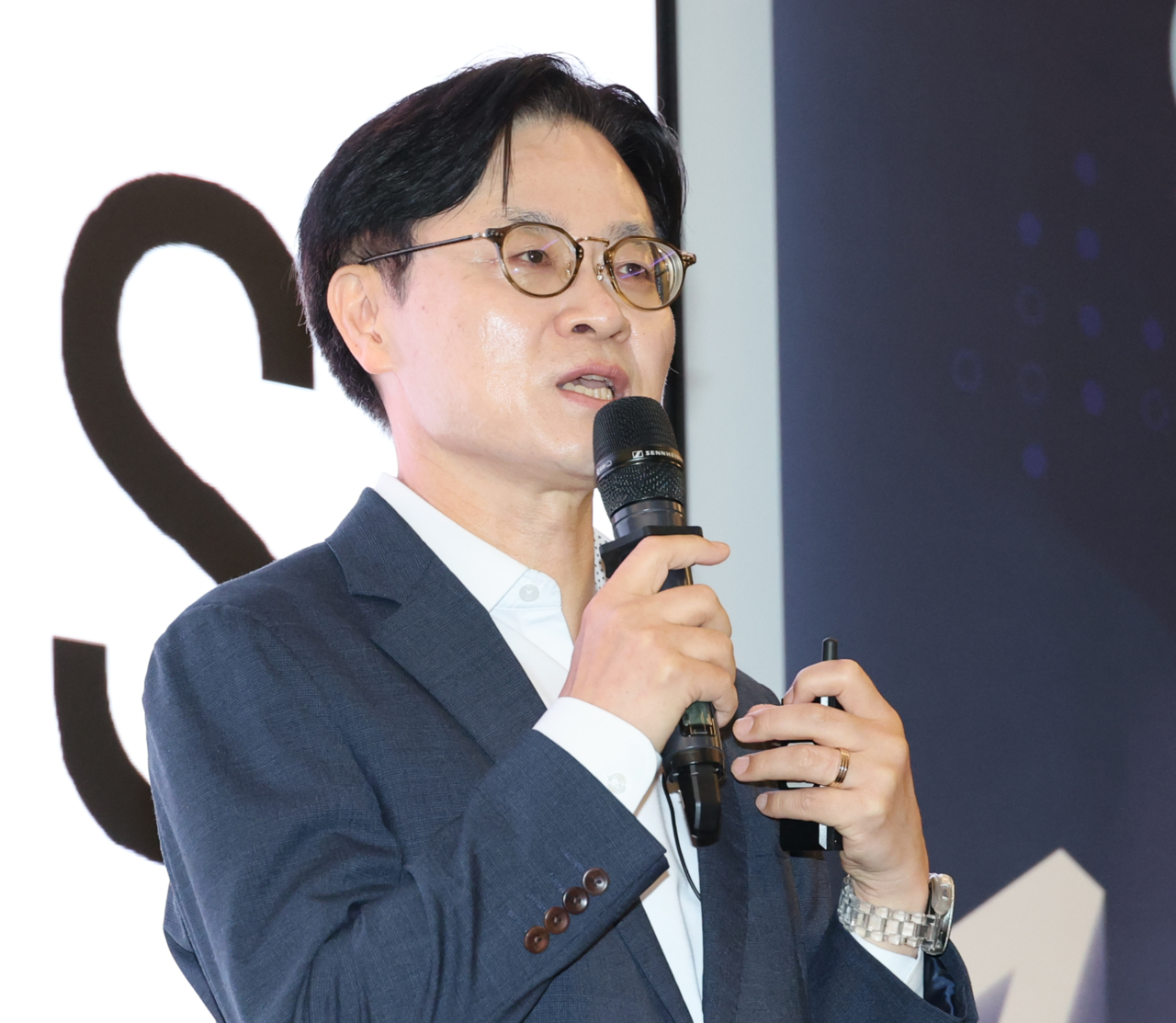
"This will mark a turning point in the digital transformation of toxicity assessment by integrating AI and automation with our genotoxicity research capabilities," KIT Director Heo Jeong-du said. "We will secure next-generation toxicity assessment technology that is faster, more objective and more reliable."
nbgkoo@heraldcorp.com