
Team reviews an average of 182 patient records daily to identify high-risk cases for intensive monitoring and emergency care; ICU readmission rate within 48 hours drops 81.6% after launch
A seven-year-old boy admitted to Asan Medical Center's children's hospital for a respiratory illness began showing warning signs during treatment — his breathing quickened and his blood oxygen levels dropped. The hospital's Pediatric Rapid Response Team detected the changes early, went directly to the ward to assess his condition, and worked with the attending medical staff to administer the necessary respiratory treatment, including high-flow nasal cannula therapy. With appropriate intervention before his condition could worsen, the boy stabilized and was able to continue his treatment.
Asan Medical Center's children's hospital has established a Pediatric Rapid Response Team — the first of its kind in South Korea — dedicated to detecting early signs of deterioration in hospitalized pediatric patients, intervening proactively, and supporting safe care from emergency response through diagnostic procedures and treatment.
Unlike adult patients, children have normal vital-sign ranges that vary by age, and their conditions can deteriorate rapidly into critical illness. Younger children in particular have difficulty accurately communicating their symptoms or changes in how they feel, making close observation of objective indicators — respiratory rate, heart rate and blood oxygen saturation — and clinical changes especially important.
The team continuously monitors pediatric inpatients in real time to identify patients at high risk of deterioration before it occurs, visiting wards directly to assess and manage those patients. When deterioration is confirmed, the team carries out necessary tests and procedures alongside ward staff and arranges rapid transfer to the intensive care unit when needed.
The Pediatric Rapid Response Team comprises 19 members, including dedicated physicians and nurses. It is divided into two units: the Pediatric Medical Emergency Team, which works to prevent deterioration in high-risk pediatric patients, and the Pediatric Advanced Care and Emergency team, which supports patient safety during diagnostic procedures and treatment.
The Pediatric Medical Emergency Team handles proactive screening of high-risk patients, regular ward rounds and specialized support during emergencies, while the Pediatric Advanced Care and Emergency team assists pediatric patients in safely undergoing tests and treatment through sedation management and clinical support services.
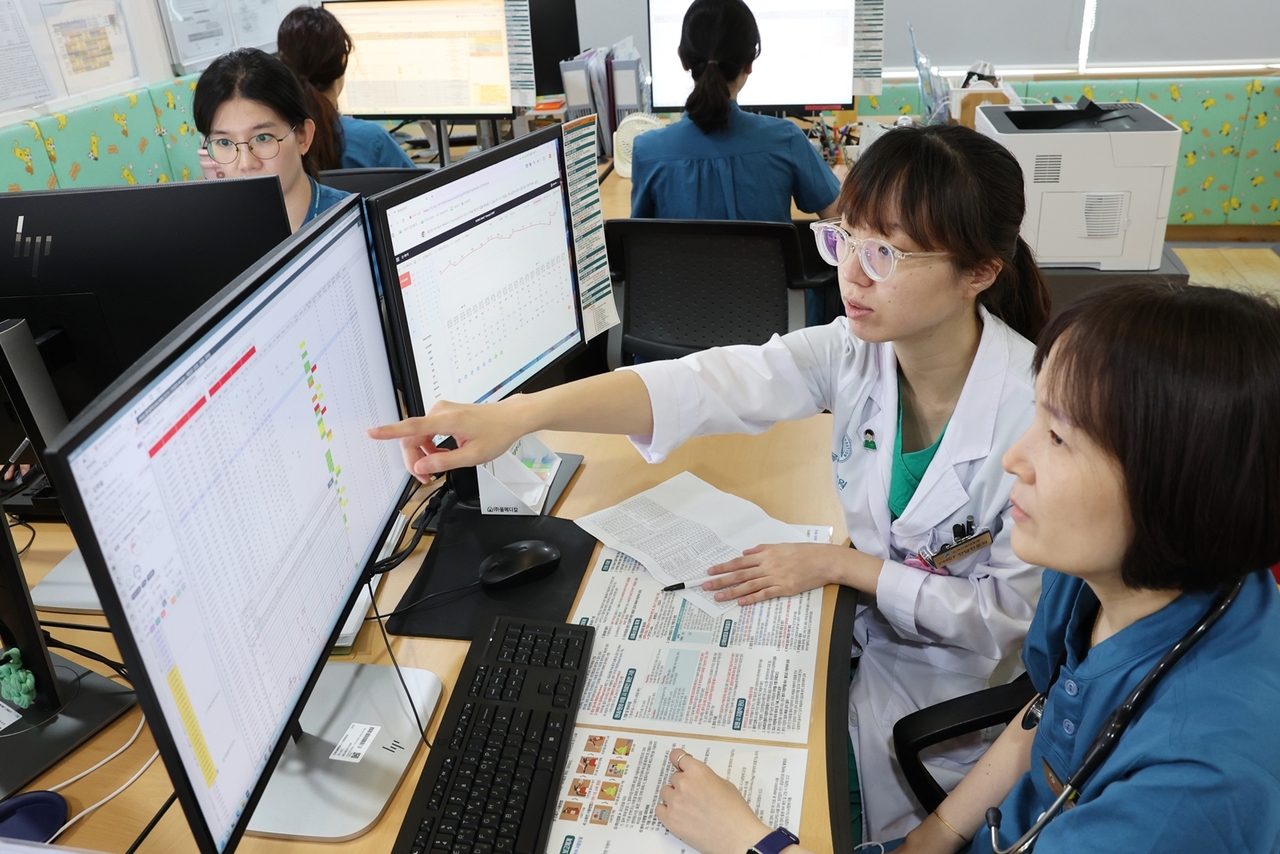
The Pediatric Medical Emergency Team reviews an average of 182 patient records per day through the hospital's electronic system to proactively identify high-risk patients and conducts regular ward rounds to closely monitor changes in their condition. Beyond patients flagged through electronic screening, the team also provides intensive management for patients transferred from the ICU to general wards and those requiring ongoing respiratory care. It continuously monitors patients with upper airway abnormalities or those dependent on home ventilators, high-flow nasal cannulas or tracheostomy tubes, watching closely for acute deterioration.
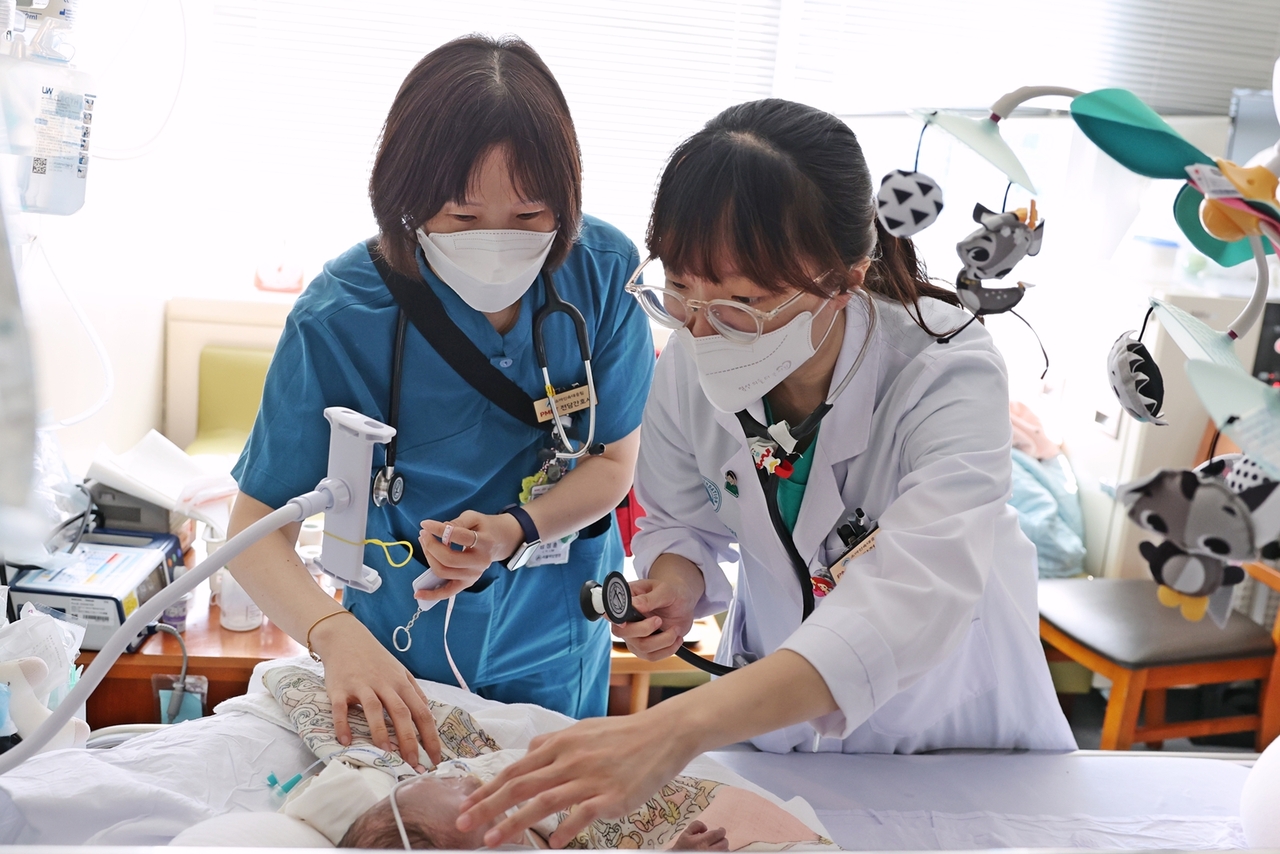
Since the dedicated management system for high-risk pediatric patients was strengthened, the rate at which patients transferred from the ICU to general wards were readmitted within 48 hours has also fallen. Compared with January, the 48-hour ICU readmission rate dropped 81.6% from February through June. The Pediatric Medical Emergency Team continues to monitor patients after their transfer from the ICU to general wards, detecting warning signs early and ensuring necessary treatment is provided.
The Pediatric Advanced Care and Emergency team supports the safety of pediatric patients who require careful management during examinations and procedures. It oversees patients who need sedation, accompanies patients being transported for tests or treatment, and provides clinical support to ensure children can receive safe care outside the ward. In the first half of this year, the team supported a total of 4,180 sedation procedures and examinations, with no patient safety incidents recorded.
Through the Pediatric Rapid Response Team, Asan Medical Center's children's hospital aims to strengthen the safety net ensuring appropriate treatment before patients deteriorate into critical condition, and to minimize serious emergencies such as unexpected ICU admissions and cardiac arrests. The hospital plans to expand proactive screening and on-site rounding for high-risk pediatric patients and to continuously refine its early intervention system for changes in patient condition.
"When a pediatric patient's condition worsens, it can progress to a critical state in a very short time, which makes detecting even small warning signs early more important than anything else," said Park Yu-kyung, head of the Pediatric Rapid Response Team and a professor in the Department of Pediatrics at Asan Medical Center's children's hospital. "We will strengthen our patient safety system — one that catches warning signs quickly and intervenes proactively — so that children can receive care in an even safer environment."
kty@heraldcorp.com





