
Seoul apartment prices per pyeong rise 14.8% in a year
10 districts post gains of 20% or more, led by Gangdong-gu, Dongdaemun-gu and Dongjak-gu
Experts warn of strong price floor as end-user demand and tight supply persist
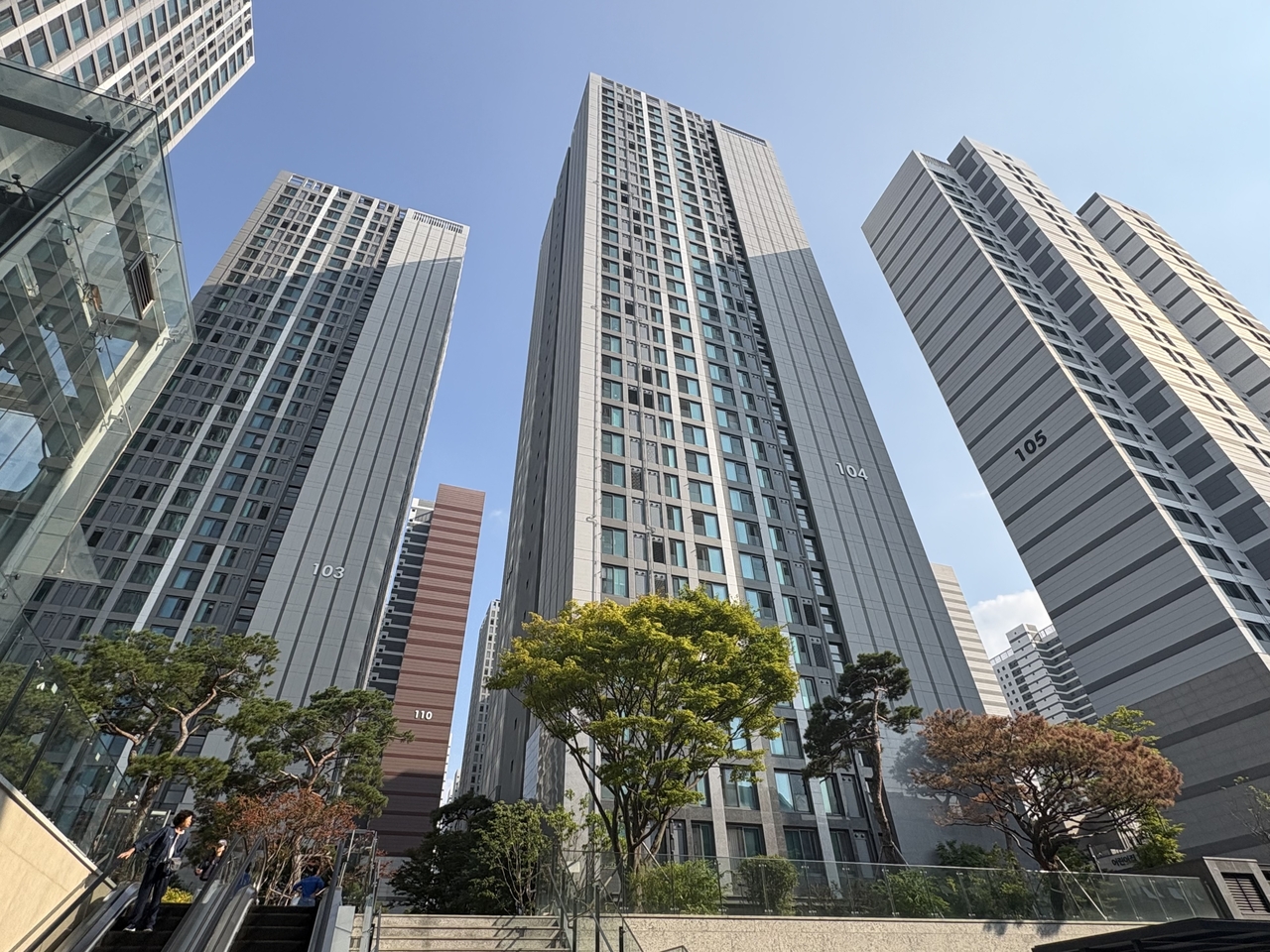
Despite the government designating all of Seoul as a regulated zone — covering both adjustment target areas and speculative overheating districts — and restricting mortgage loan limits by price bracket last October, Seoul apartment prices have risen for 87 consecutive weeks, marking the longest uninterrupted rally on record.
10 districts post 20%-plus gains per pyeong, led by Gangdong, Dongdaemun and Dongjak
According to KB Real Estate's September monthly time-series data released Thursday, the average price per square meter for Seoul apartments stood at 19.57 million won ($14,600) last month. Converted to a per-pyeong figure, that works out to 64.58 million won — up 14.8% from 56.23 million won in September last year, just before the government's Oct. 15 measures took effect.
Among individual districts, Gangdong-gu recorded the sharpest increase. Its per-pyeong price surged 32.1%, from 56.51 million won to 74.68 million won over the same period. As a result, the average price of a 59-square-meter apartment (exclusive use area; same below) climbed from 1.01 billion won to 1.34 billion won, while the 84-square-meter unit rose from 1.44 billion won to 1.9 billion won. Buyers looking to purchase a standard-sized apartment in Gangdong-gu now need close to 2 billion won on average.
Dongdaemun-gu came in second, with per-pyeong prices rising 26.7% over the year — from 40.05 million won to 50.74 million won. The average price of a 59-square-meter unit climbed from 715.95 million won to 907.14 million won, while the 84-square-meter type jumped from 1.02 billion won to 1.29 billion won. A standard apartment that cost around 1 billion won a year ago now requires close to 1.3 billion won.
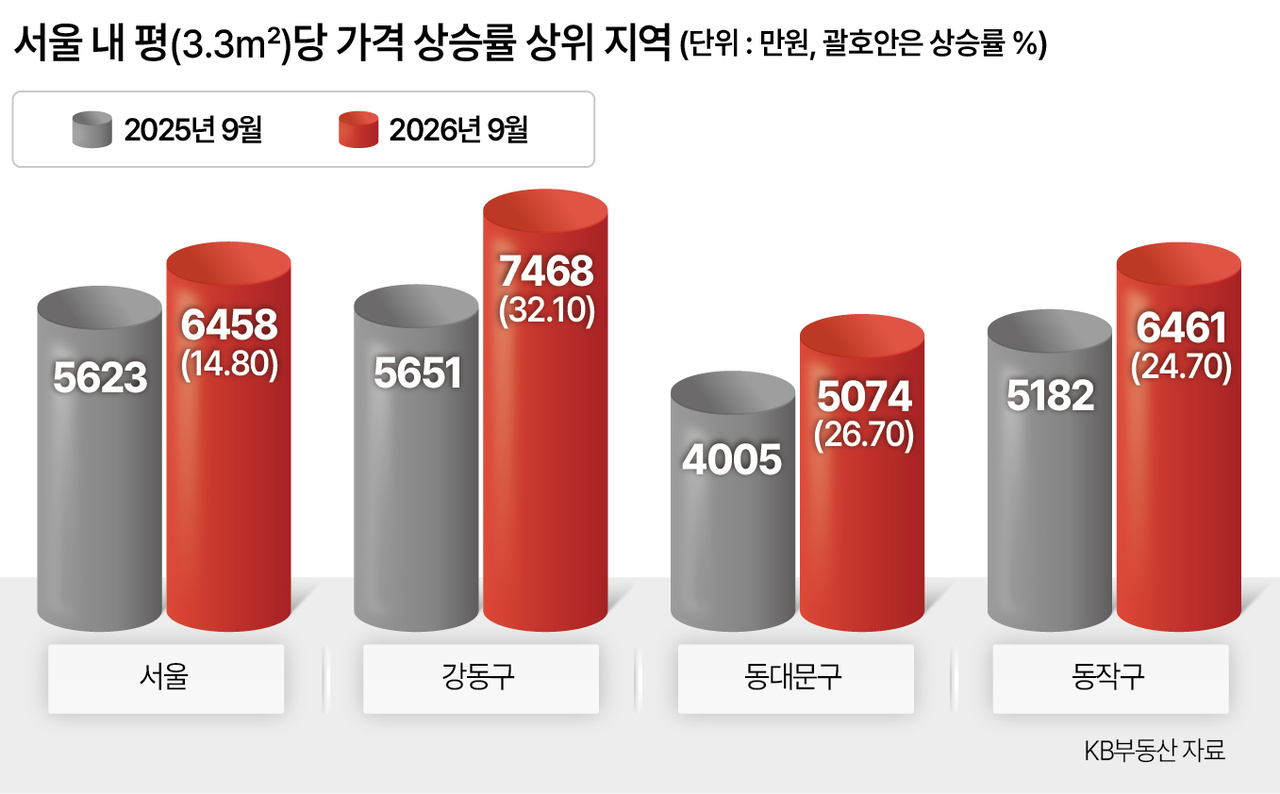
Dongjak-gu followed with a 24.7% gain, ahead of Seongbuk-gu (23.2%), Gangseo-gu (22.1%), Gwangjin-gu (21.6%), Gwanak-gu (20.7%), Seongdong-gu (20.3%), Jung-gu (20.2%) and Seodaemun-gu (20.0%). In total, 10 of Seoul's 25 autonomous districts saw per-pyeong prices rise more than 20% in a single year.
Analysts attribute the trend to buying activity concentrating in districts where apartments fall within price brackets that allow relatively higher loan amounts. Under the Oct. 15 package last year, the government introduced a tiered mortgage cap tied to home prices: up to 600 million won for homes priced at 1.5 billion won or below, 400 million won for those between 1.5 billion won and 2.5 billion won, and 200 million won for those above 2.5 billion won.
As lending restrictions tightened, buyers shifted their attention toward homes where borrowing headroom remained, reshaping demand across price brackets. In some cases, rising prices pushed properties past the thresholds that trigger lower loan limits.
A case in point: an 84-square-meter unit at Godeok Grascium in Godeok-dong, Gangdong-gu, traded at 2.49 billion won (29th floor) in October last year, keeping its KB market price just below the 2.5 billion won ceiling. By this month, however, a unit on the 13th floor changed hands at 2.55 billion won — crossing into the next bracket.
A 59-square-meter unit at Raemian Weave in Dongdaemun-gu sold for 1.39 billion won (4th floor) in October last year, but by August this year the same floor plan traded at 1.62 billion won — pushing it past the 1.5 billion won threshold where the maximum loan drops from 600 million won to 400 million won.
Gangnam posts modest gains as Seoul apartment prices show strong floor
The three Gangnam-area districts — Gangnam-gu, Seocho-gu and Songpa-gu — also recorded price increases over the past year, but their gains lagged behind other parts of the city. Gangnam-gu's per-pyeong price rose 4.1%, from 118.03 million won in September last year to 122.83 million won this September. The average price of a 59-square-meter unit edged up from 2.11 billion won to 2.2 billion won, while the 84-square-meter type rose from 3 billion won to 3.13 billion won.
In Seocho-gu, the per-pyeong price climbed 7.5% over the same period, from 107.41 million won to 115.44 million won. The average 59-square-meter unit crossed the 2 billion won mark, rising from 1.92 billion won to 2.06 billion won, while the 84-square-meter type advanced from 2.73 billion won to 2.94 billion won.
Songpa-gu's per-pyeong price rose 14.0%, from 83.85 million won to 95.62 million won. The average 59-square-meter unit climbed from 1.5 billion won to 1.71 billion won, and the 84-square-meter type rose from 2.13 billion won to 2.43 billion won.
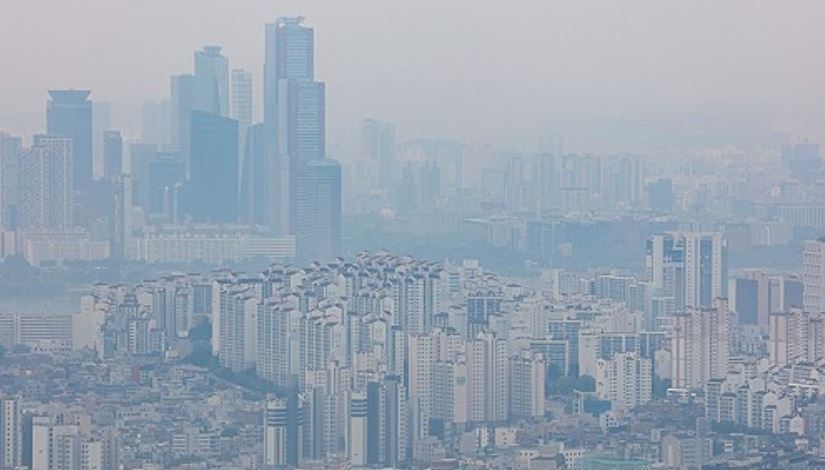
Experts say Seoul apartment prices, once they rise, are unlikely to fall easily given sustained demand. With land transaction permit zone designations channeling purchases toward end-users, any further supply constraints could push prices even higher.
Nam Hyeok-woo, a real estate researcher at Woori Bank, said the market had long since ceased to be one driven by investors stacking up units through gap investment — buying with existing tenants in place. "From an end-user's perspective, living conditions matter above all else, and with jeonse and monthly rent not offering a viable alternative, buying momentum will continue," he said.
The fact that even outer-district apartment prices are rising during a period of benchmark rate increases has led some analysts to conclude that loan restrictions alone are insufficient to stabilize housing prices.
Nam said that before the Oct. 15 measures, the dominant market dynamic had been upgrade buying concentrated in the three Gangnam districts and the Han River belt. "Since the measures took effect, those areas have softened while mid- and lower-tier districts have turned strong," he said. "With the rental market remaining unsettled, the strength in mid- and lower-tier areas is persisting — and Seoul apartment prices as a whole show a clear floor."
hss@heraldcorp.com





