AmCham Korea holds 2026 HR Workshop
Forum addresses AI-driven productivity gains and risk management
Amid heightened cybersecurity threats, Eum Seong-won, head of communications at OpenAI Korea, said companies must "clearly define the scope of data AI can access and the tasks it can perform, and ensure that critical decisions and actions are reviewed and approved by humans."
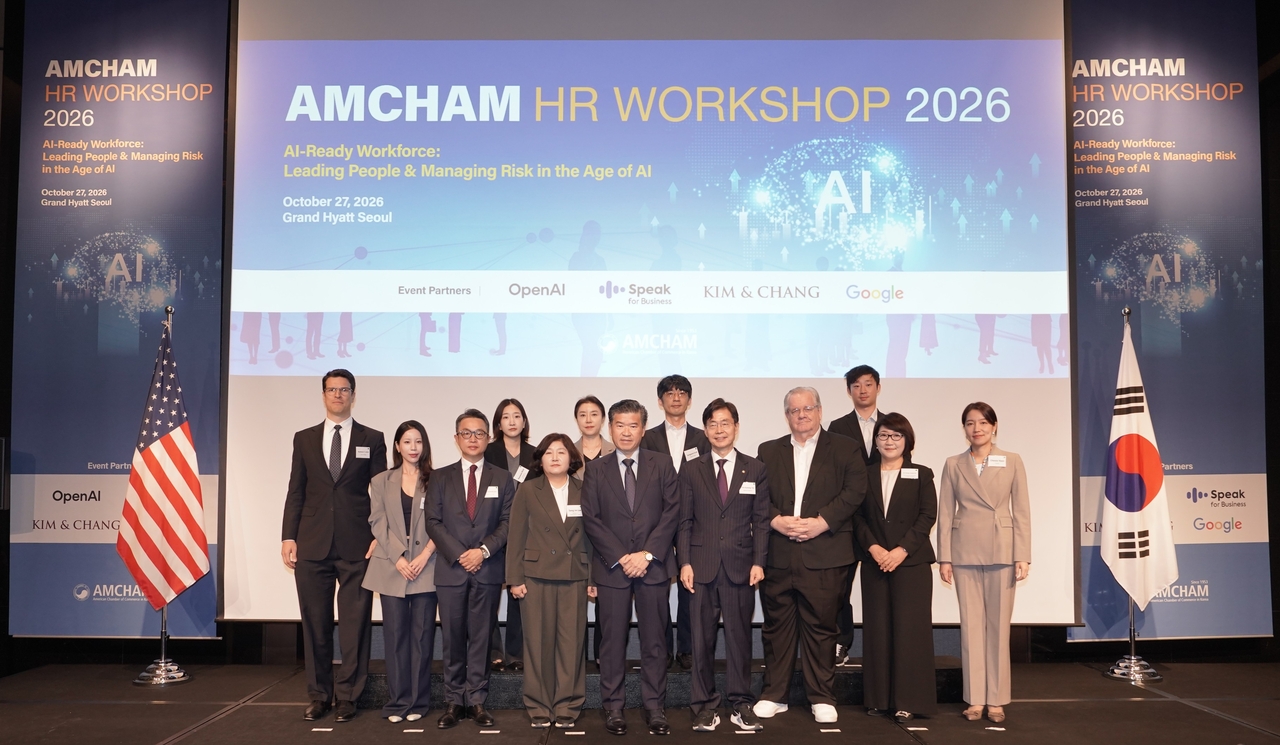
Eum made the remarks Tuesday at the 2026 HR Workshop hosted by the American Chamber of Commerce in Korea at the Grand Hyatt Seoul hotel in Yongsan-gu, Seoul, where he presented on strengthening corporate competitiveness through AI.
He introduced case studies of companies using ChatGPT and outlined ways employees can leverage the tool to improve workplace performance.
"Connecting ChatGPT to actual workflows can help employees reduce the burden of repetitive tasks and focus more on strategic work that requires judgment and creativity," Eum said. "Companies can extend these changes into organization-wide capabilities through employee training and improvements to how work gets done."
He also said that because AI can be used to make cyberattacks faster and more sophisticated, organizations must build up their AI-powered defenses in equal measure.
Yoon Chae-eun, head of public affairs for Google Asia-Pacific, analyzed the impact of AI on jobs and individual tasks using real-world usage data and presented implications for how work is evolving.
"Workers are using AI as a collaborative partner across a wide range of tasks — from brainstorming and research to solving complex problems," Yoon said. "Using AI as a tool that enhances human capabilities can boost organizational productivity while adding meaning and value to work."
The workshop also addressed management accountability alongside the workplace changes brought about by AI adoption.
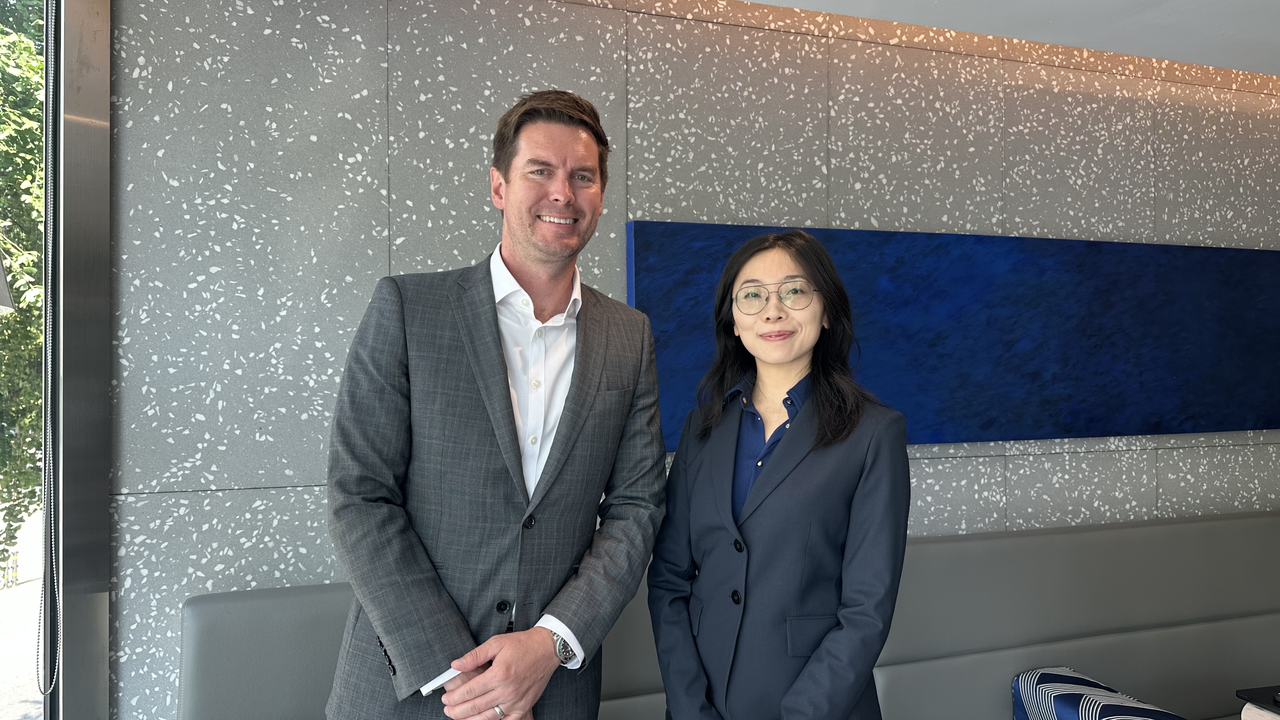
Matthew Jones, a foreign attorney at Kim & Chang, said the key issues that pose risks to CEOs in Korea are closely tied to HR functions, adding that an HR team with the right expertise and response capabilities can become a strategic partner in managing CEO-level risk.
The event drew more than 100 executives and senior leaders from corporate HR, technology, legal and compliance functions. They examined ways to strengthen employee capabilities and productivity through AI while identifying workforce management challenges and legal and organizational risks.
Government and business representatives shared policy initiatives and on-the-ground case studies, discussing practical measures for adapting to a changing work environment.
Lee Sang-im, director of the vocational skills policy division at the Ministry of Employment and Labor, delivered the keynote address, introducing K-New Deal Academy, a youth vocational training program run in partnership with companies. "We hope that not only domestic firms but also foreign companies with global competitiveness and expertise will join us in supporting youth development through training programs that draw on each company's strengths," she said.
James Kim, president and CEO of AmCham Korea, said adopting AI is only the beginning. "Employees must have the skills and confidence to use it effectively, and management must set clear operational standards and manage risk," he said.
He added that AmCham Korea "will consistently create opportunities for business leaders and experts to share experiences and solutions, supporting companies' AI transformation and strengthening Korea's competitiveness."
joze@heraldcorp.com