Kim Hye-ja's 'Still Brilliantly'
No. 1 in ratings, No. 1 among indie and art films
'My sleeves were soaked': Cha In-pyo at GV
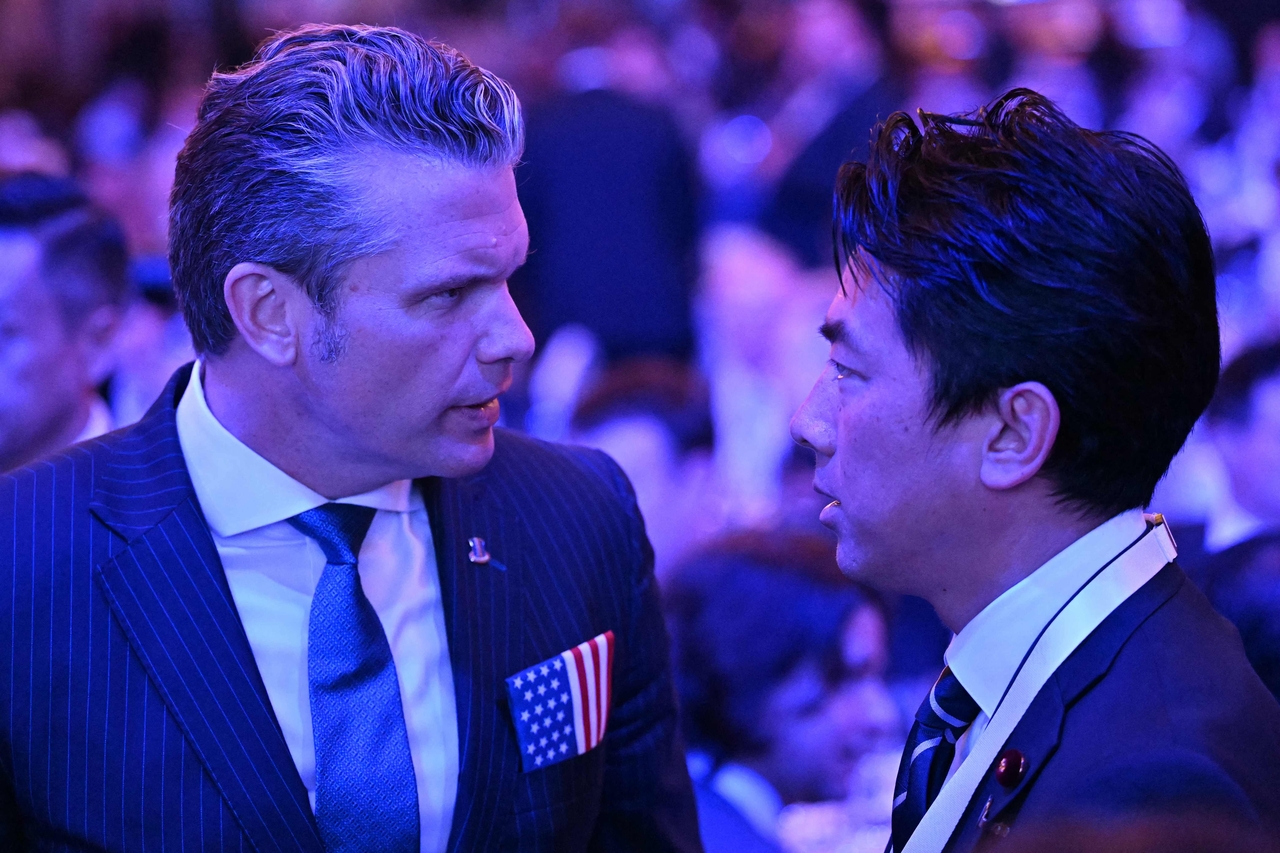
An actor who once wrote a novel about a girl forced into sexual slavery by the Japanese military stood beside the director who brought that same history to the screen. The actor is Cha In-pyo, who appeared at a special audience Q&A — known in Korea as a GV — for the film "Still Brilliantly," currently the top-rated film on Naver.
According to distributor Plus M Entertainment, Cha attended the GV held Tuesday at Megabox COEX in Seoul at the invitation of director Song Il-gon.
Cha published a first full-length novel, "Goodbye Hill," in 2009. The book, which deals with the suffering of victims of Japanese military sexual slavery, was reissued in 2021 under the title "If Someday We Look at the Same Star" and in 2024 was selected as required reading at the University of Oxford.
"Still Brilliantly" is a rare recent film to take on the subject of comfort women. It is rooted in playwright Lee Hye-suk's stage work "An Old Apple" — and marks the first time director Song, who has written every screenplay of his career, has directed a story by another writer. The weight of the subject matter was no small burden. What moved Song nonetheless was the "upright and good-hearted spirit" within it. Speaking with The Herald Business shortly after the film's opening, Song said, "Historical events need to be examined through diverse perspectives and forms — whether literature, film or song — so that we can reflect on who we are today," adding, "Because this story views that history through one woman's memory, I wanted as many people as possible to share in it."
Audience response to the film has been quietly building. As of Wednesday, "Still Brilliantly" holds a verified audience rating of 9.8 out of 10 on Naver — the highest among films currently in theaters. Its CGV Golden Egg index hovers between 96 and 97 percent. The film opened Oct. 21 and drew 4,244 viewers on Tuesday, ranking sixth at the box office, according to the Korean Film Council's integrated ticketing system. Its cumulative audience stands at 48,448 — up by more than 1,000 from the previous day, lifting it one spot from seventh to sixth. Among independent and art films, it holds the top position in both box office and advance ticket sales.
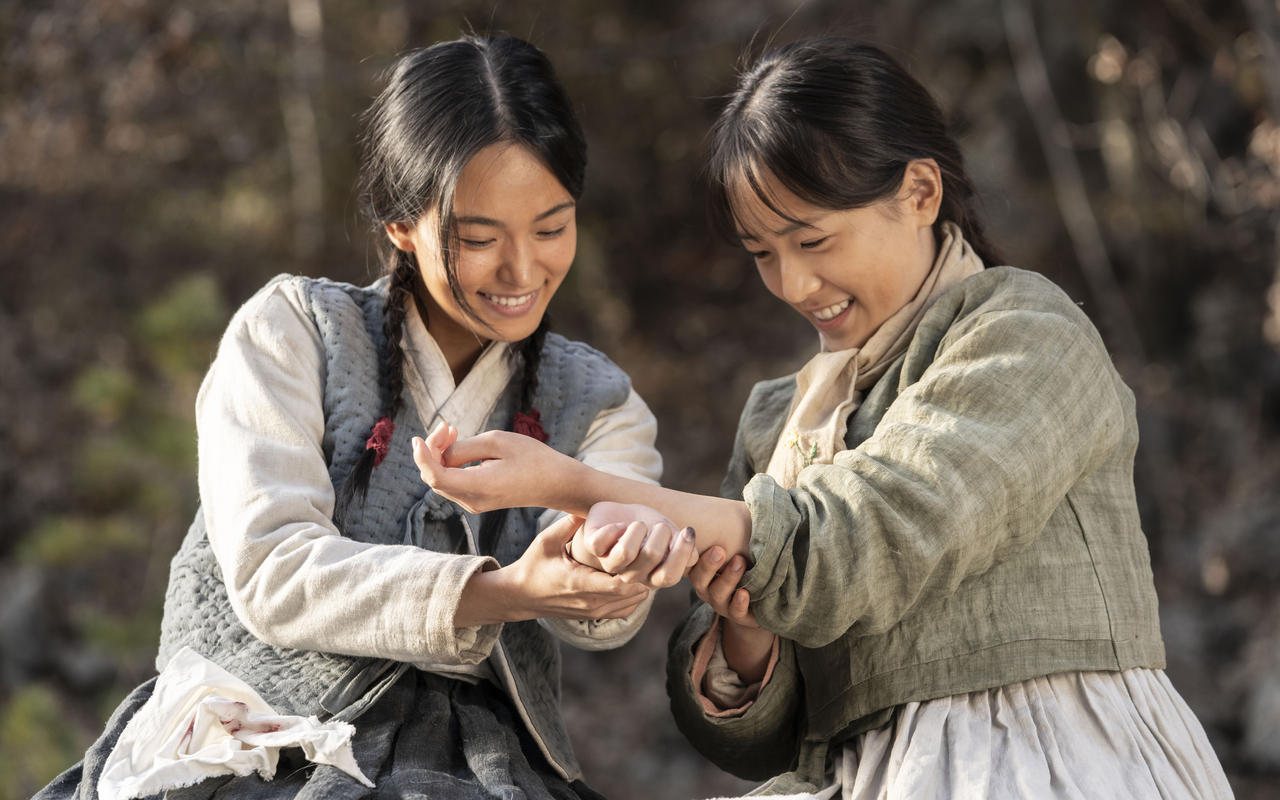
"Still Brilliantly" deals with the comfort women issue but never once shows the inside of a comfort station. The camera lingers instead on 1942, tracing the friendship between Jeong-im (played by Choi Ju-eun), a girl who dreams of becoming a singer, and Sun-ok (played by Park Seo-kyung), who cherishes her friend's talent — capturing their lives before tragedy strikes. By showing the everyday lives and dreams the girls lost rather than reenacting the violence, the film draws tears all the deeper. One viewer wrote, "I'm glad I wore long sleeves — I cried enough to soak both of them." CGV Yongsan iPark Mall handed out tissues to audiences from Saturday through Tuesday.
"If people think, 'It's a painful story, so I have to watch it painfully,' they won't want to see it," Song said. "Because works dealing with painful subjects already existed, I felt there was no need to reenact that story."
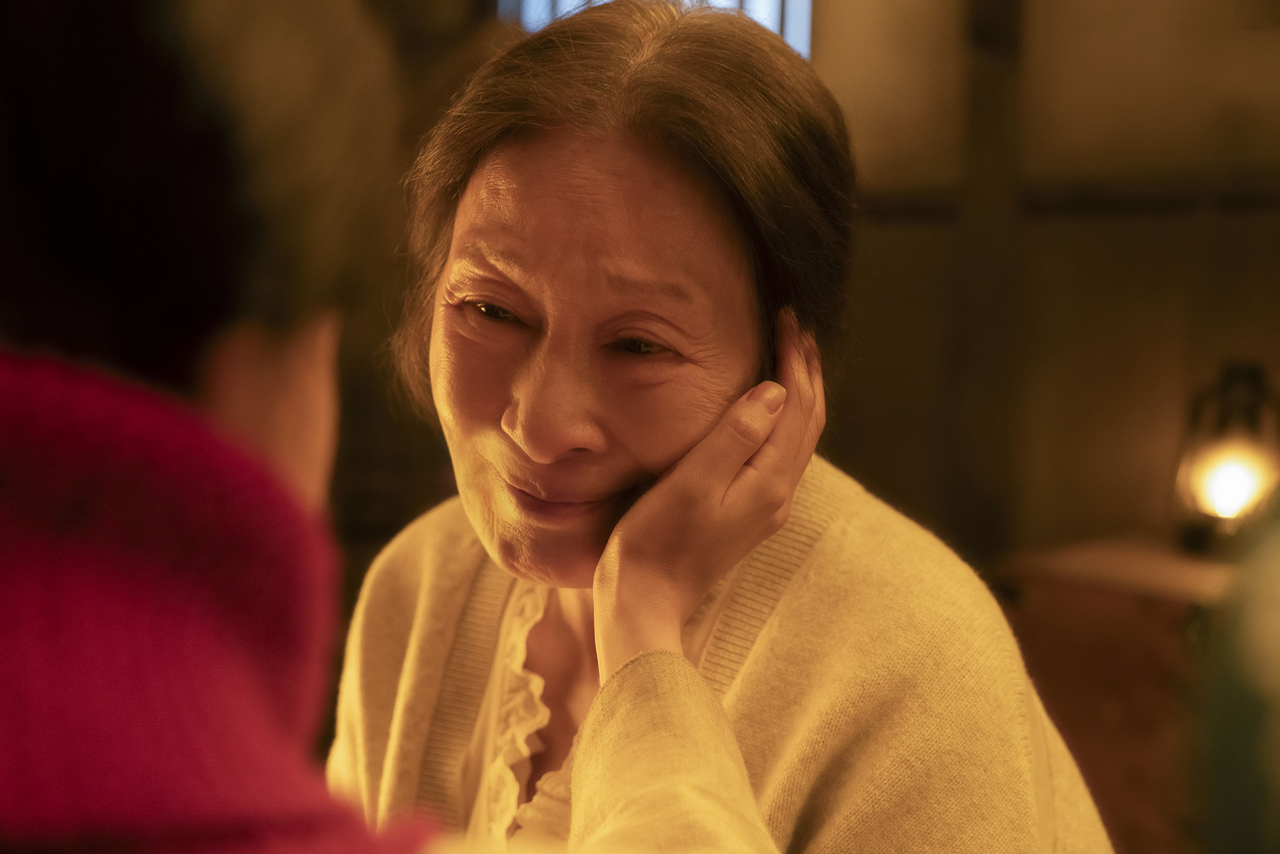
At the center of the film is Kim Hye-ja. Marking the 65th anniversary of Kim's debut, Kim returns to the big screen for the first time in nine years since "Road" (2017). Kim initially declined, saying the role was frightening, but changed Kim's mind after Song persuaded Kim six times. In a handwritten letter, Kim wrote, "We must remember how much those children suffered. But I also hope we do not forget how beautifully they wanted to live." Concerns about Kim's health arose after Kim needed assistance walking at the Busan International Film Festival opening ceremony and missed a press preview stage appearance on Oct. 15 due to a cold. Kim appeared before audiences at a CGV Yongsan iPark Mall stage greeting on Saturday.
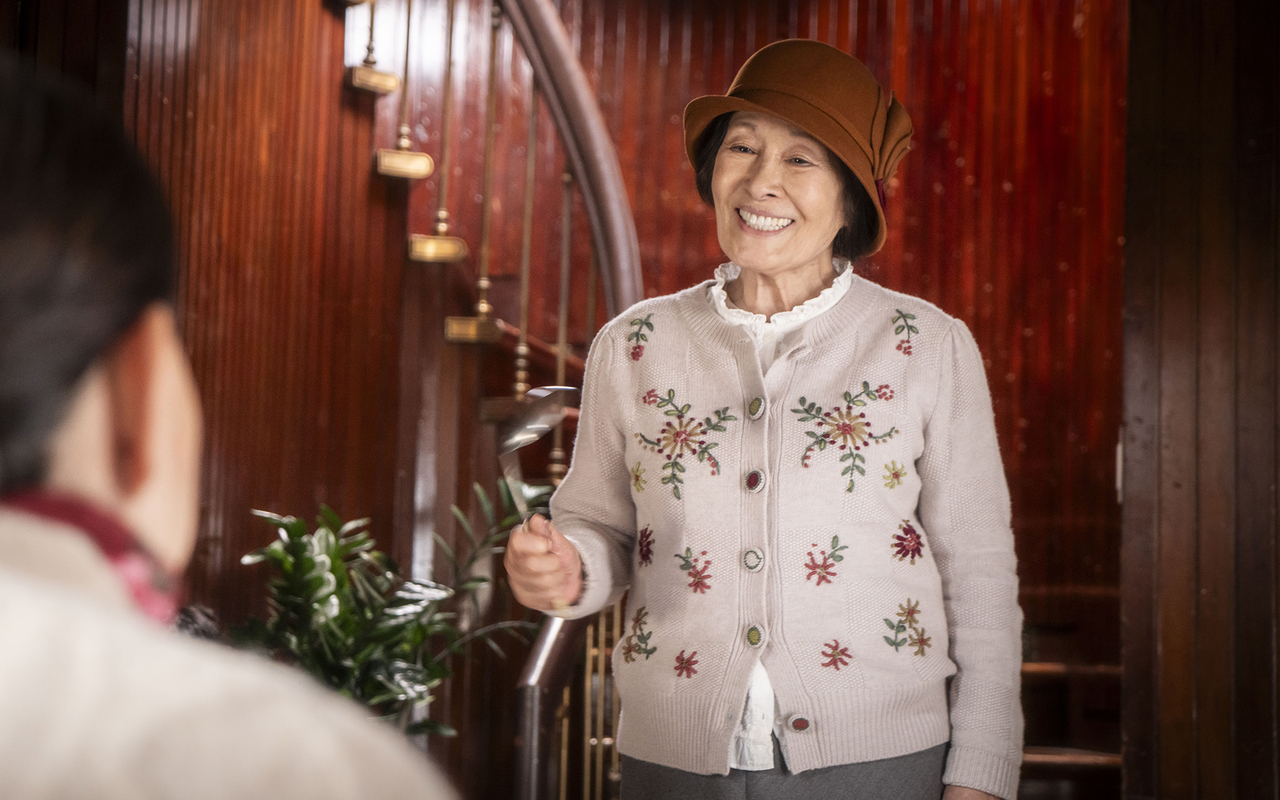
"Still Brilliantly" does not escalate its intensity. It quietly studies the faces of its characters and invites the viewer to follow their gaze. "These days it's a dopamine era — slashing, stabbing, killing, always pushing toward something more stimulating," Song said. "That's precisely why we need an anti-dopamine film." Audience reviews are filled with comments from viewers who want to return with their parents. The film has also reached into classrooms: the South Jeolla Province-Gwangju integrated special city education office organized a group screening Wednesday at a Gwangju theater, with 396 participants including elementary, middle and high school students and their chaperones. Even during the traditionally slow season for cinemas, the film continues to attract inquiries for corporate group screenings and year-end block bookings, according to the distributor.
The film's central theme is memory. "I kept thinking that only by remembering how precious those children's brilliant days were can we also remember the painful history," Song said. "By remembering that time, we can avoid repeating tragedy — and even when tragedy comes, if we stand together in solidarity and empathy, perhaps those wounds can heal." After the GV, Cha wrote on SNS that although Cha had no role in acting in or producing the film, Cha hoped it would screen for a long time and reach many audiences, adding, "If many people share and empathize with the pain of that era, the next generation will not have to suffer the same."
shee@heraldcorp.com