Elliott says 'nearly every alarm' for a bear market is sounding
Firm compares current markets to the Roaring Twenties before the Great Depression
Flags AI bubble, fiscal deficits and private credit risks
Warns AI disappointment could trigger worst bear market in decades
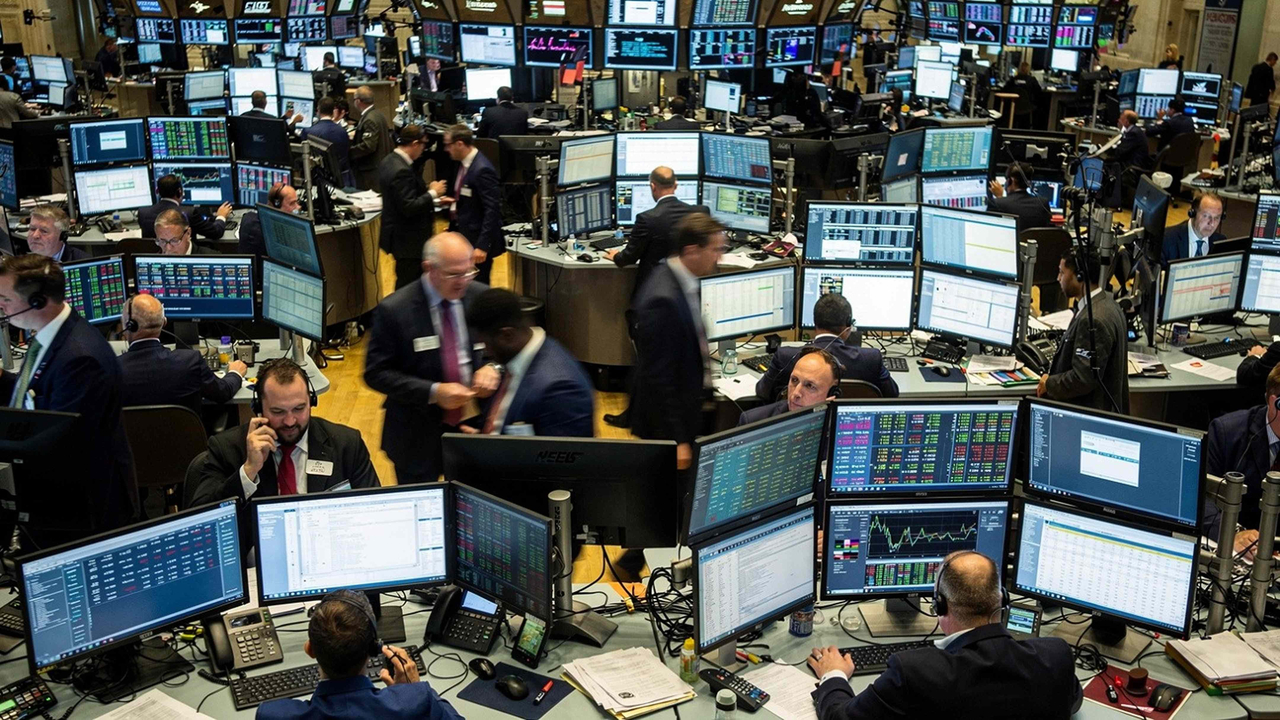
US hedge fund Elliott Investment Management, which oversees about 110 trillion won ($82 billion) in assets, has warned that alarm bells for a global bear market are ringing. The firm said the AI investment frenzy and speculative trading are propping up share prices, but that the rally could reverse in an instant if the forces driving it begin to falter — and that investors' fear of missing out, or FOMO, could quickly give way to fear of getting obliterated, or FOGO.
According to the Wall Street Journal and Reuters on Monday (local time), Elliott laid out the warning in a letter sent to investors in October, saying "nearly every alarm that portends a bear market is sounding" in equity markets today.
Elliott compared current market conditions to the Roaring Twenties, the era of optimism and speculative excess that preceded the Great Depression of the 1930s, when US stocks surged before suffering a catastrophic collapse.
"If even one or two of the many factors driving the bull market were to be disrupted, the upward momentum could reverse almost instantly," the firm said.
Elliott particularly warned of a sudden shift in investor psychology. The fear of missing out on a rising market, it said, could transform into fear of getting obliterated — a dread of losing everything — once prices begin to fall sharply.
The risk factors Elliott flagged include widening US fiscal deficits, inflation, potential deterioration in the private credit market, and a bubble lurking within the AI investment boom.
The firm also took aim at the spread of speculative trading in recent markets, pointing to zero-day options — contracts that expire the same day they are traded — and the meme-stock phenomenon, in which share prices swing wildly based on the attention of online retail investors.
Elliott said such trading distorts markets and resembles gambling more than investing based on the fundamental value of companies.
The firm also expressed concern about the investment dynamics surrounding the AI industry.
It identified circular investment flows between AI model developers and infrastructure manufacturers, debt-fueled capital expenditure at scale, and a potential backlash against AI technology as factors that could destabilize markets going forward.
Elliott warned that if doubts grow about AI service pricing or expectations for infrastructure buildout weaken, markets could suffer a historic shock.
Should that scenario materialize, the firm said, the resulting downturn could be as severe as any bear market seen in decades.
The warning comes as Elliott's own investment performance has been lackluster.
The fund's returns were essentially flat in the three months through the end of September, and its cumulative gain for the year through September fell short of 2 percent.
Elliott has maintained a conservative investment strategy focused on limiting downside risk rather than aggressively chasing market gains.
Paul Singer and Jonathan Pollock, Elliott's co-CEOs and co-chief investment officers, wrote in the investor letter that the firm is "focused on capital preservation" and is "prepared to deploy capital when disruption comes."
"There have been periods of underperformance in Elliott's 50-year history, but without exception each was followed by turbulence and then very rare opportunities," they said.
"Our goal is to maintain a position that defends the downside while keeping us ready to buy," they added.
The strategy, in short, is to minimize losses when markets fall sharply and then secure the opportunity to acquire undervalued assets — rather than chase high returns during short-lived bull runs.
Elliott warned that even if only some of the factors sustaining the AI-and-speculation-driven rally were to waver, investor sentiment could deteriorate rapidly.
sjy@heraldcorp.com