Democratic control of Congress expected to check Trump's tariff pressure
USFK cuts also likely to face resistance; extended deterrence pledges to hold
Nuclear submarine bid and OPCON transfer face new nonproliferation hurdles
Trump may push harder for North Korea summit, but Pyongyang's calculus is key
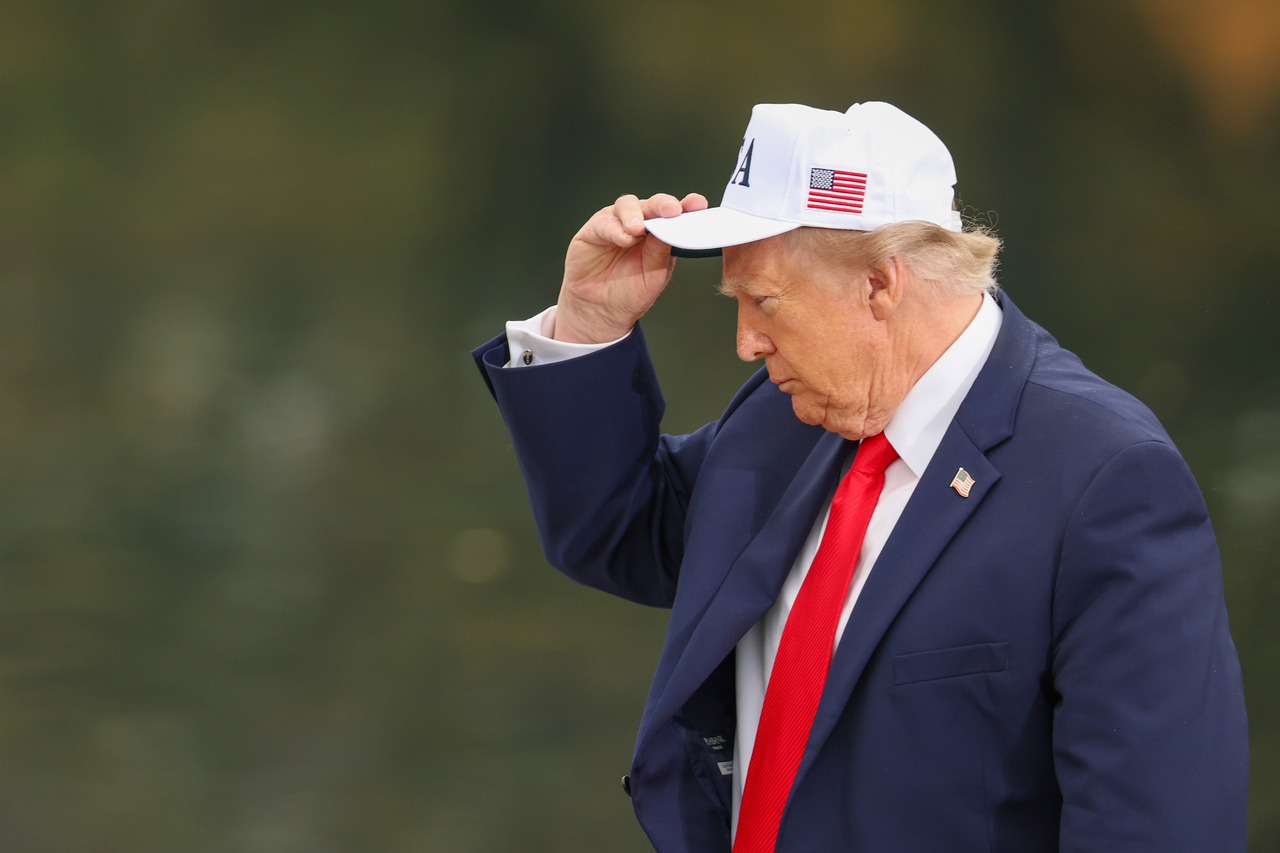
The Democratic Party's sweep of both chambers of Congress in the US midterm elections is expected to bring changes to the South Korea-US relationship. While the results could put the brakes on President Donald Trump's tariff pressure and attempts to reduce US Forces Korea, analysts say South Korea's push to acquire nuclear-powered submarines and transfer wartime operational control may actually become harder. There is also speculation that Trump may accelerate summit diplomacy with North Korean leader Kim Jong-un to offset his electoral setback, though analysts say whether such a meeting materializes ultimately depends on Pyongyang's judgment.
US Korea experts said Wednesday (local time) that the Democratic takeover of Congress would serve as a check on the Trump administration's unilateral alliance policies. They assessed that policies seen as burdensome to South Korea — including trade and investment pressure through tariffs and potential reductions in USFK — now face a greater likelihood of congressional opposition.
Andrew Yeo, Korea chair at the Brookings Institution, told Yonhap that "given Trump's tendency to pursue foreign policy through executive orders and unilateral decisions, the overall impact of the midterm results on the South Korea-US relationship will not be that significant." He added, however, that while existing tariffs are likely to remain in place, new tariff measures could run into congressional resistance.
Patrick Cronin, chair of Asia-Pacific security at the Hudson Institute, said Congress "will seek to check inappropriate administration policies, such as tariffs or attempts to withdraw US troops from the Korean Peninsula."
Robert Rapson, a former acting US ambassador to South Korea, called the election outcome welcome news for South Korea and other US allies. He said the Democratic Party would review coercive trade and investment deals struck through tariffs and move to block measures that could weaken the alliance, such as scaling back military exercises or reducing USFK.
The results could also affect the Alaska LNG project, which Trump has been pressing South Korea to invest in. Yeo said Trump would continue urging allies to invest in order to cement his political legacy, but that South Korea and other allies may grow more cautious about committing to a project that could collapse after the 2028 US presidential election.
Democratic control of Congress does not mean Trump's tariff policies can be reversed immediately, however. Allan Kim, a senior researcher at the Korea Economic Institute of America, said that even if Congress moves to restrict tariff policy through legislation, the president retains veto power, making meaningful constraints difficult without bipartisan support from Republicans.
On the other hand, analysts say the Democratic congressional majority could create new obstacles for South Korea's nuclear-powered submarine program and the transfer of wartime operational control. Because Democrats place greater emphasis on nuclear nonproliferation principles than Republicans, congressional oversight of South Korea's submarine program is expected to intensify.
Yeo said "Democrats may adhere more strongly to nonproliferation norms than Republicans, and this could become an obstacle for the Lee Jae Myung government in acquiring nuclear-powered submarines." He also assessed that while Trump and Defense Secretary Pete Hegseth have shown relative openness to transferring operational control by 2030, a Democrat-controlled Congress may question or oppose such a move.
Cronin similarly said ambitious pledges such as cooperation on nuclear-powered submarines could face delays or be obstructed. Rapson said it remains unclear how far Democrats would support South Korea's nuclear submarine acquisition and expanded uranium enrichment and reprocessing rights, adding that concerns related to the Nuclear Non-Proliferation Treaty remain significant.
The US extended deterrence commitment — the bedrock of the alliance — is not expected to change significantly, however. Cronin said "longstanding bipartisan support for core alliance commitments, including extended deterrence, will remain relatively solid."
Analysts have also raised the possibility that Trump, politically weakened by the midterm losses, may revive efforts to hold a summit with Kim Jong-un during his remaining term in order to secure a diplomatic achievement. Cronin said the election results increase the likelihood that Trump will place greater emphasis on summit diplomacy, including with Kim.
Democratic control of Congress could, however, constrain the cards Trump has available in any negotiations with North Korea. Measures he might offer Pyongyang — such as easing sanctions, reducing the US military presence in Northeast Asia, or scaling back joint military exercises with South Korea — could all become targets of congressional pushback.
How North Korea assesses the prospect of negotiating with a politically weakened Trump is also a variable. Scott Snyder, president of the Korea Economic Institute of America, said "from the perspective of North Korea's leadership, negotiating with a weakened American president may appear somewhat more attractive than before the midterms." He added, however, that it remains uncertain whether Pyongyang would view this as a special opportunity or deem it unnecessary given its current strategic priorities.
Yeo said that if Kim signals his readiness to meet, Trump would spare no effort to make the summit happen. He added, however, that North Korea is more likely to maintain a wait-and-see posture toward US-North Korea diplomacy for now.
Conversely, some analysts suggest North Korea may see little incentive to negotiate with Trump, who has roughly two years left in office. Rapson said it remains unclear how much motivation North Korea would have to negotiate with a lame-duck president.
Kim said "the key question is whether Kim Jong-un will show interest in meeting with Trump, who will become a lame-duck president from January 2027, and what kind of agreement he realistically believes is possible."
sjy@heraldcorp.com