
JPMorgan sets year-end S&P 500 target at 8,200
Goldman Sachs, Morgan Stanley see gains of more than 20%
AI demand seen as underappreciated; corporate earnings growth remains solid
Fed rate hikes, Middle East-driven oil prices cited as risks
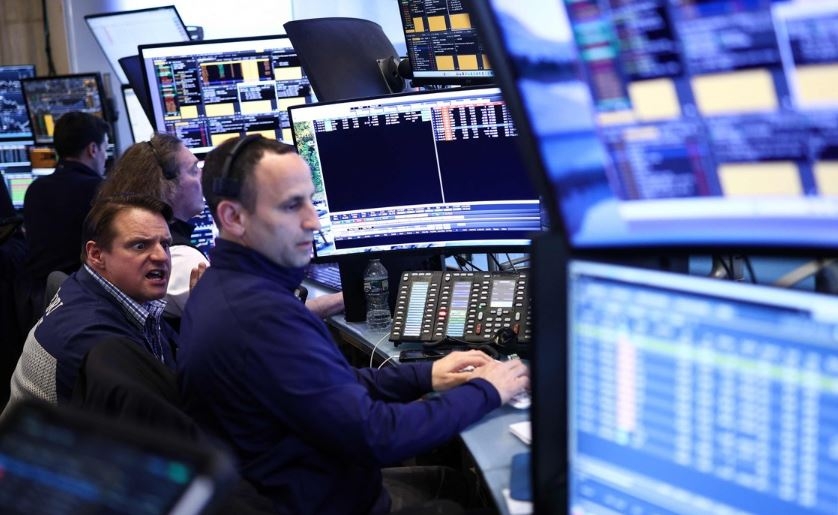
Even as US markets have been whipsawed by debate over an AI investment bubble and the resignation and return of Nvidia CEO Jensen Huang, Wall Street is still expecting double-digit gains next year. JPMorgan said the AI industry's long-term boom — what it calls a "supercycle" — remains intact, and forecast the S&P 500 to rise about 14 percent from current levels by year-end 2027. The bank said AI demand and corporate earnings growth remain solid despite the recent market correction.
According to Bloomberg, JPMorgan set a year-end 2027 target of 8,200 for the S&P 500 in a report released Tuesday (local time), implying roughly 14 percent upside from where the index stood that day.
The forecast is relatively conservative compared with other major Wall Street banks. Bloomberg's consensus estimate for the S&P 500 at end of next year stands at 8,471, reflecting about 17.6 percent upside. Morgan Stanley and Goldman Sachs have both set targets of 8,700, pointing to gains of more than 20 percent.
A Reuters survey of 42 market strategists, analysts and portfolio managers conducted from Nov. 16 through Tuesday put the median year-end S&P 500 forecast at 8,150 — roughly in line with JPMorgan's call, implying gains of about 13 percent.
The broad consensus on Wall Street is that the US market's long-term uptrend will continue, even as the S&P 500 entered correction territory last week after falling more than 10 percent from its recent peak.
The core of JPMorgan's optimism rests on AI industry growth and rising corporate earnings.
JPMorgan projected S&P 500 earnings per share of about $430 next year, up roughly 15 percent from this year, and assumed the index would trade at a price-to-earnings ratio of around 19 times forward earnings.
The JPMorgan strategy team led by Dubravko Lakos-Bujas said the backdrop for equities "looks gloomy as the gap between perception and reality widens, but the AI supercycle is alive and well," adding that "computing demand remains strong and persistent."
The bank argued that actual AI computing demand remains robust despite the recent selloff in AI-related stocks, and that the market is underestimating it.
JPMorgan also said recent temporary supply bottlenecks and periodic valuation pullbacks are phenomena that can occur as AI technology adoption accelerates.
Other Wall Street institutions are also focused on improving US corporate earnings.
Gene Goldman, chief investment officer at Cetera Financial Group, told Reuters that "the economy is not heading into a recession, earnings growth is solid, and valuations are below their five- and 10-year averages."
According to the London Stock Exchange Group, earnings for S&P 500 companies are expected to grow 16.4 percent next year, following a 37.1 percent increase this year.
However, the Federal Reserve's monetary tightening stance and geopolitical uncertainty in the Middle East remain risk factors that could cap further market gains.
Markets widely expect the Fed to raise its benchmark interest rate next month to rein in persistently elevated inflation. Rising global oil prices driven by the Middle East conflict could also add to inflationary pressure.
Heavy borrowing to build AI infrastructure, data center regulation, and national security concerns surrounding Nvidia are additional variables that could weigh on investor sentiment.
Terry Sandven, chief equity strategist at US Bank Wealth Management, said the short-term correction is "largely complete," but cautioned that market volatility has not fully dissipated, citing those risk factors.
sjy@heraldcorp.com





