Center with 2-3 divisions to launch as early as late this month
Permitting, financing support aimed at accelerating housing supply
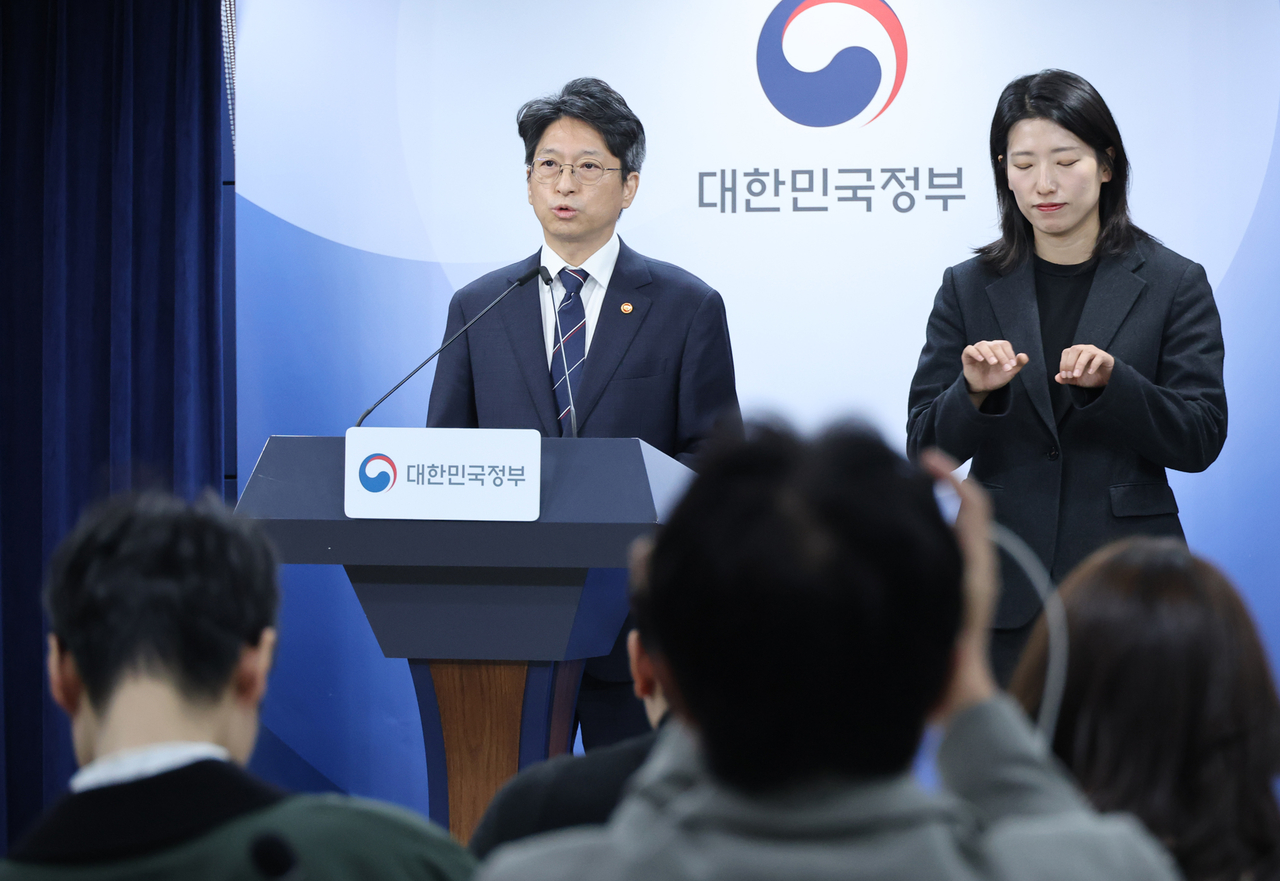
The government is moving to establish a new director-general-level "Housing Supply Integrated Support Center" to address permitting delays and financing difficulties that arise during residential construction projects.
The Ministry of Land, Infrastructure and Transport is in talks with the Ministry of Interior and Safety to set up the center, targeting a launch by late this month or early next month. The ministry is considering placing a director-general-level official at the helm, with two to three divisions operating under the center.
However, it has not yet been decided whether the center will be placed under the Land Ministry's Housing and Land Bureau or operated as a separate support unit.
The move comes as the government has made the rapid expansion of housing supply its top policy priority, and is designed to accelerate actual ground-breaking on residential construction projects stalled by permitting and financing hurdles.
At the end of last year, the Land Ministry upgraded its existing director-general-level Public Housing Promotion Team to a vice-minister-level Housing Supply Promotion Headquarters, consolidating scattered housing supply functions. The headquarters brought together nine dedicated divisions covering land development, private redevelopment projects and the revitalization of aging planned cities.
The new center is intended to add another director-general-level unit to that structure, strengthening the ministry's ability to execute housing supply policy.
The center will consolidate previously fragmented support functions and serve as a point of contact for resolving difficulties encountered at housing construction sites. The Financial Services Commission and the Financial Supervisory Service are expected to participate in its operations alongside the Land Ministry.
In particular, the center plans to assist housing projects struggling with local government permitting delays, disagreements among relevant agencies or project financing difficulties.
The push to strengthen permitting and financing support reflects the slow recovery of the private sector, which accounts for the bulk of housing supply.
According to the Land Ministry, the private sector's share of average annual housing ground-breakings from 2023 to 2025 stood at 80.6 percent in Greater Seoul and 90 percent in Seoul. Yet private housing ground-breakings in Greater Seoul last year totaled 121,000 units — just 63 percent of the 10-year average of 191,000 units.
Financing difficulties for private housing projects have persisted since the real estate project financing crisis of 2022, which caused bridge loans and main project financing loans to contract sharply.
The center plans to gather input from private housing developers, work with relevant agencies to find solutions and provide guidance on regulatory changes.
hss@heraldcorp.com