Hospital shares Candida auris management know-how with Japan
KDCA, JIHS officials tour laboratory and ICU at Seoul St. Mary's
Three-way framework to be built for cross-border disease response
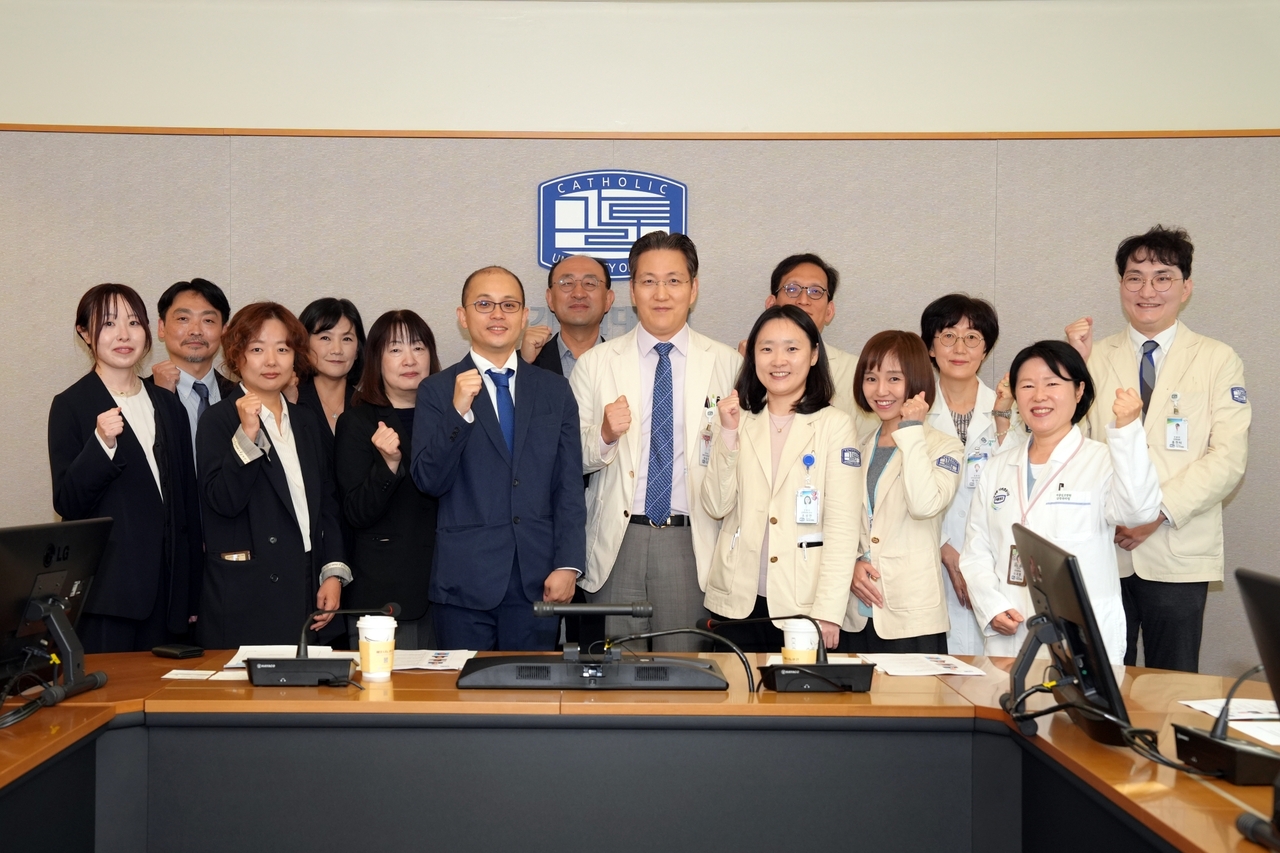
Seoul St. Mary's Hospital and the Korea Disease Control and Prevention Agency have shared their Candida auris infection control practices with Japan, as the two sides work to build a three-way cooperative framework to contain the spread of the fungal pathogen, which was recently designated a Class 4 notifiable infectious disease in South Korea.
The hospital announced Friday that it had shared South Korea's sentinel surveillance system and best practices in hospital infection control and treatment with Japan's National Institute of Health and Medicine (JIHS), in collaboration with the KDCA, as a proactive measure against the spread of Candida auris.
Candida auris is a fungus that poses significant challenges for treatment and infection control. It can cause invasive infections particularly in immunocompromised patients and those in intensive care, and has been associated with high mortality rates. Since its first reported case in South Korea in 2009, sporadic infections have continued, and the growing number of antifungal-resistant strains, invasive infections in healthcare settings and cluster outbreaks has heightened the need for closer surveillance and management.
In response, the KDCA designated Candida auris a Class 4 notifiable infectious disease — specifically a healthcare-associated infection — effective March 29.
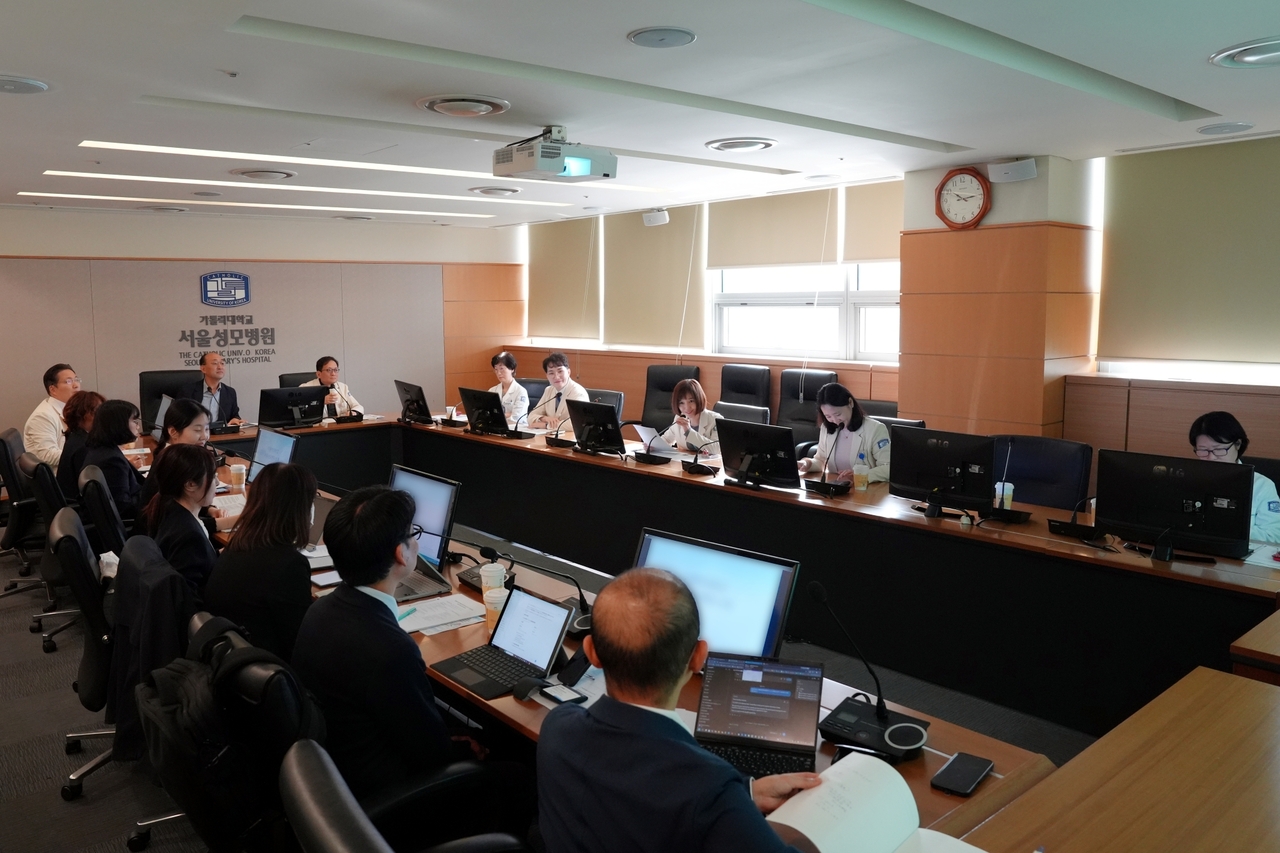
On Wednesday, Seoul St. Mary's Hospital hosted a Korea-Japan infection control cooperation meeting and facility tour with experts from JIHS and KDCA officials. The visit was arranged in line with Japan's preparations to establish a national-level surveillance system, and aimed to strengthen cooperation with the KDCA while sharing the advanced infection control and diagnostic capabilities of a South Korean tertiary hospital.
The visiting delegation included five officials from South Korean health authorities, among them Jeong Tong-ryeong, director general of the KDCA's Medical Safety and Prevention Bureau, as well as four specialists in infectious disease, diagnostics and epidemiology, including Ishikane Masahiro, an infectious disease specialist affiliated with JIHS.
Seoul St. Mary's Hospital shared information on four areas: its Candida auris diagnostic and surveillance system centered on the clinical microbiology laboratory; patient management protocols and outbreak response cases; antifungal treatment options by individual patient case; and the status of antifungal susceptibility testing and genotyping of Candida auris strains conducted through a KDCA-commissioned private-sector project.
The delegation then observed the hospital's integrated "diagnosis-isolation-treatment" control system, which covers Candida auris identification and carrier screening through to environmental management on wards and patient isolation. Health authorities and hospital representatives from both countries agreed to further strengthen their cooperative response to infectious diseases, using the visit as a springboard for deeper collaboration.
"The most fundamental and essential element of patient safety at a tertiary hospital is rigorous infection prevention and control," said Kwak Seung-ki, deputy medical director of Seoul St. Mary's Hospital. "I hope this meeting serves as a meaningful opportunity to share the infection control expertise and clinical experience our hospital has accumulated with experts from Japan's health authorities."
Ishikane Masahiro, the JIHS infectious disease specialist, said Japan is at a critical stage of building a national surveillance system for Candida auris and preparing its public health crisis response. "It is enormously meaningful to be able to learn firsthand about Seoul St. Mary's advanced infection prevention and control framework, its surveillance network operations, and its clinical experience with treatment options for multidrug-resistant patients," Ishikane said.
Meanwhile, Seoul St. Mary's Hospital was designated a public safety hospital by the Ministry of Health and Welfare during the 2015 MERS outbreak, during which it operated a dedicated public safety clinic. During the COVID-19 pandemic, it was simultaneously designated both a Seoul Metropolitan Government COVID-19 severe emergency care center and a public safety hospital.
ko@heraldcorp.com