Price abuse to be judged against costs and market rates
Misuse of confidential data, barriers to direct trade to be regulated
Restrictions on consumer choice, quality degradation also covered
South Korea will tighten regulations on dominant companies that unjustifiably maintain high prices despite falling costs, or set prices significantly above supply costs and prevailing market rates without legitimate reason. New rules will also cover the misuse of confidential information obtained during transactions to gain an unfair advantage over trading partners, as well as conduct that prevents trading partners from dealing directly with consumers.
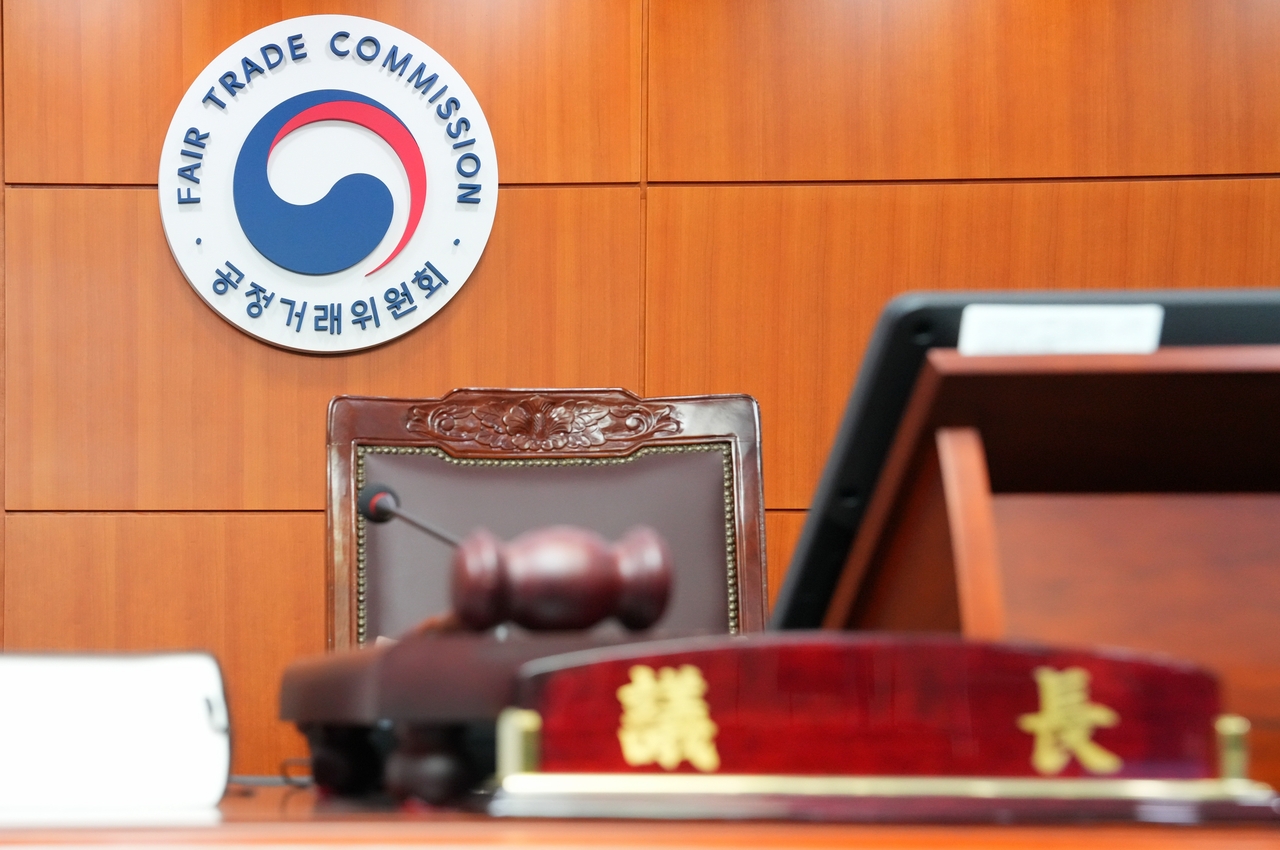
The Korea Fair Trade Commission announced Friday that it will hold a public legislative notice period through Dec. 16 for a proposed amendment to the enforcement decree of the Fair Trade Act incorporating these changes.
The proposed amendment revises regulations on the abuse of market-dominant positions — rules that had not been updated in 25 years since 2001 — to reflect changes in the economic environment. It expands the scope of prohibited price abuse, restructures the categories of conduct that obstruct business activities, and introduces specific criteria for determining harm to consumer interests.
Under the amendment, unjustifiably setting or maintaining prices will be explicitly classified as price abuse. Conduct subject to regulation includes charging prices significantly above supply costs without legitimate reason, where those prices are also substantially higher than prices for the same product or service in other markets, or than the prevailing prices of comparable products or services.
The amendment also covers conduct in which a dominant company raises prices significantly, lowers them only marginally, or holds them steady relative to changes in supply and demand or supply costs. The threshold for establishing price abuse will be eased from "marked" increases to "substantial" increases.
The current Fair Trade Act prohibits the unjust setting, maintenance or alteration of prices, but the enforcement decree had only set out standards for price changes. The Fair Trade Commission said this left it unable to address a wide range of price-abuse conduct, and that the provision had in effect become a dead letter because of the difficulty of proving that price increases were sufficiently marked.
Rules on conduct that obstructs the business activities of other companies will also be revised. The existing provision on interference with the purchase of raw materials will be broadened to cover "conduct that obstructs the purchase, access, use or transfer of tangible or intangible goods or services," extending rules that had been centered on manufacturing to all industries.
Among the newly introduced categories of prohibited conduct is anti-competitive tying — where a dominant company, in supplying its own products or services, requires trading partners to also purchase other products or services from itself or from a designated company.
The amendment also targets the unfair use of confidential information generated or collected during transactions to gain a competitive advantage over trading partners. It further adds a prohibition on unjustifiably preventing trading partners from dealing directly with consumers or providing information to them without going through the dominant company.
Four categories of conduct previously governed only by Fair Trade Commission guidelines — unjust refusal to deal, imposition of unreasonable conditions, price and trading-condition discrimination, and coerced disadvantages — will be elevated to the enforcement decree. The move reflects actual enforcement records: the existing decree provisions had been applied in six cases, while the guideline-based provisions had been applied in 24.
The commission said it plans to elevate frequently enforced categories to the decree level to improve predictability for businesses. Conversely, provisions on the poaching of essential personnel, which have rarely been enforced, will be downgraded to guidelines.
The amendment also establishes a regulatory basis for addressing the exploitation of consumers by dominant companies. While the current Fair Trade Act prohibits conduct that harms consumer interests, the enforcement decree had contained no specific categories of such conduct.
The amendment explicitly designates as regulated conduct the imposition of trading conditions on consumers that are unreasonable in light of normal commercial practice, and the significant degradation of product or service quality to the material detriment of consumers. Conduct that unjustifiably restricts consumer choice or causes consumers significant disadvantage is also included.
The commission plans to gather opinions from stakeholders and relevant government ministries during the public notice period, then complete the decree amendment in the first half of next year after review by the Ministry of Government Legislation.
y2k@heraldcorp.com