Exclusive interview with FISITA CEO Chris Mason
'Each company uses technology differently, focuses on different areas'
'Hyundai Motor is a company others want to collaborate with'
'China's rise mirrors Korea's global push 30-40 years ago'
'Korea is innovative and bold in decision-making'
'The future of the auto industry is AI' — hydrogen infrastructure investment stressed
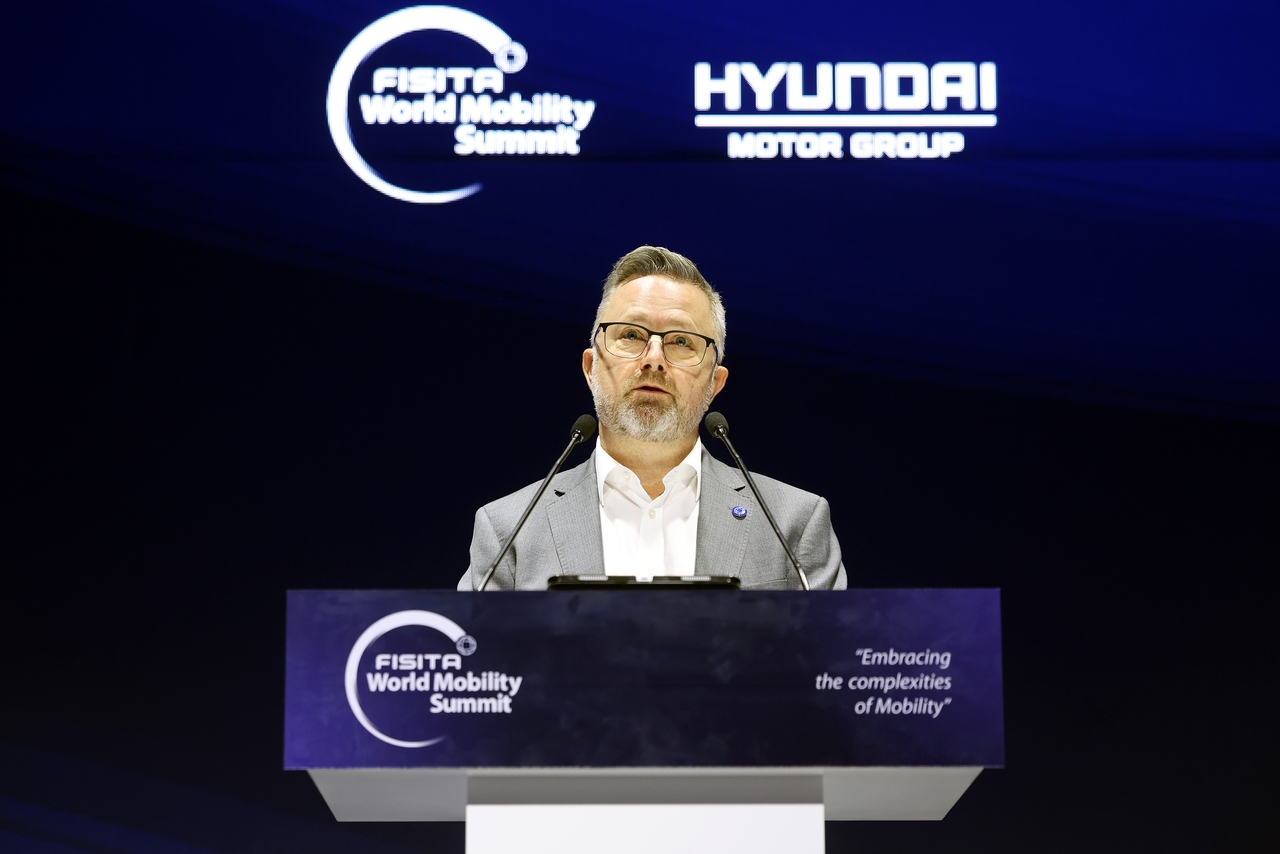
"I do not think South Korea's autonomous driving technology is lagging behind. Korean companies are at the very forefront of the global technology race."
Chris Mason, CEO of the Federation Internationale des Societes d'Ingenieurs des Techniques de l'Automobile (FISITA), made that assessment of South Korea's automotive technology competitiveness in an exclusive interview Thursday at Rolling Hills Hotel in Hwaseong, Gyeonggi Province.
Questions have been raised about the competitiveness of domestic automakers as companies including Tesla rapidly advance their autonomous driving capabilities, but Mason said there is no reason to underestimate Korean firms' technological standing.
Mason said global automakers share a broadly similar vision of the future, even as their technical approaches to getting there differ. "The future that companies in Korea, China, Japan, Europe and the United States envision for the automotive industry is quite similar," he said. "However, the ways in which they plan to reach that future are different."
On the technology gap between Tesla and legacy automakers, he said: "New companies in the pure electric vehicle space are advancing rapidly, but established automakers are also changing fast and competing hard. Each company simply uses technology in its own way and focuses on different areas."
Mason also praised Hyundai Motor Group as a leader driving the global automotive industry. "Hyundai Motor Group has a very strong position in the global automotive sector," he said. "It is recognized as a leading and influential company, and it is one of the companies that others want to collaborate with."
"Looking outward from a European perspective, you can see more clearly just how highly the Korean automotive industry is regarded internationally," he added. "I have also been deeply impressed by the way Hyundai Motor has developed diverse businesses beyond automobiles and connected them with one another."
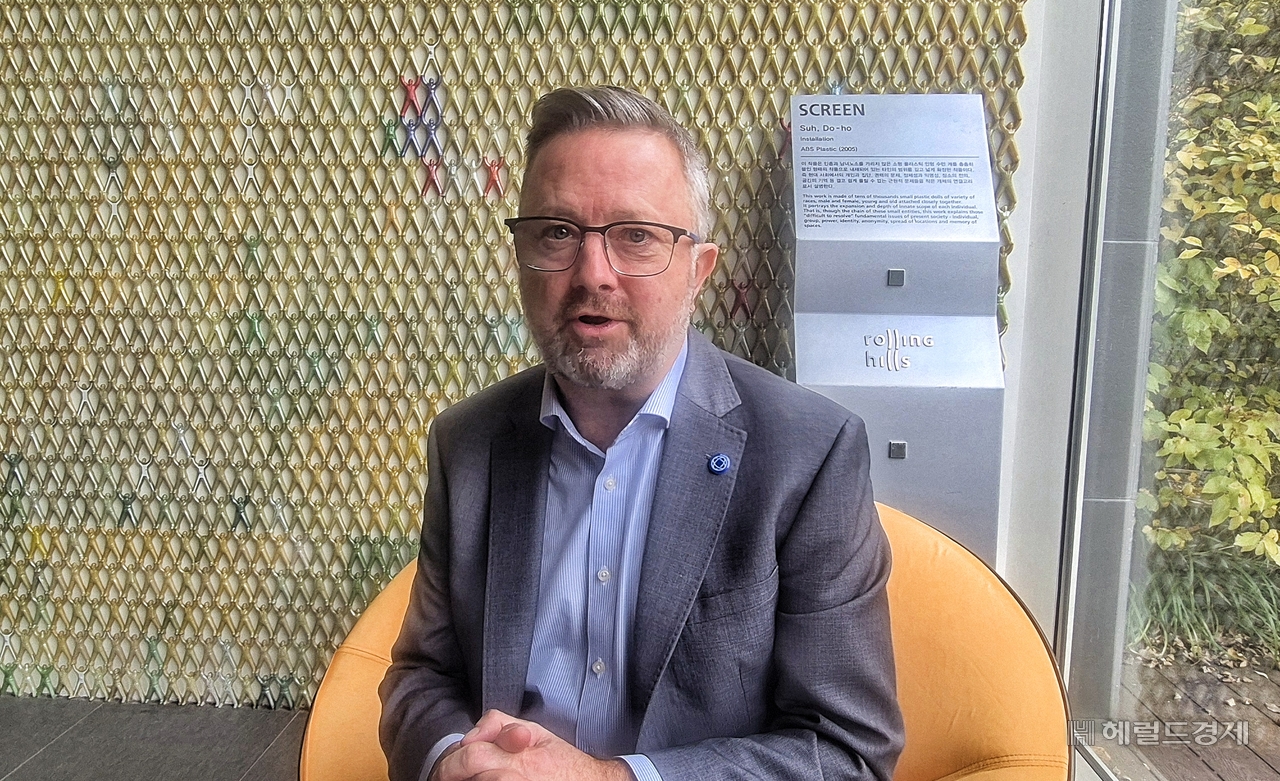
The interview took place on the sidelines of the FISITA World Mobility Summit 2026, co-hosted by Hyundai Motor Group and FISITA over two days beginning Wednesday at Rolling Hills Hotel in Hwaseong, Gyeonggi Province. The biennial event brought together executives and technology chiefs from global automakers including Hyundai Motor Group, General Motors, Toyota and Bosch to discuss the future of mobility technology and the direction of industry development.
Founded in 1948, FISITA is an international organization that promotes technical exchange and cooperation across the global automotive industry. Kim Chang-hwan, executive vice president for electrification and energy solutions at Hyundai Motor and Kia, currently serves as its president — the first Korean to hold the position — and this year's summit marked the first time the event has been held in South Korea.
Mason has led FISITA's operations since August 2014, following 14 years at the Society of Motor Manufacturers and Traders in the United Kingdom.
"Vice President Kim is an internationally recognized technology leader," Mason said. "Hyundai Motor Group's influence is playing a major role in strengthening the collaborative network among automotive technology leaders around the world."
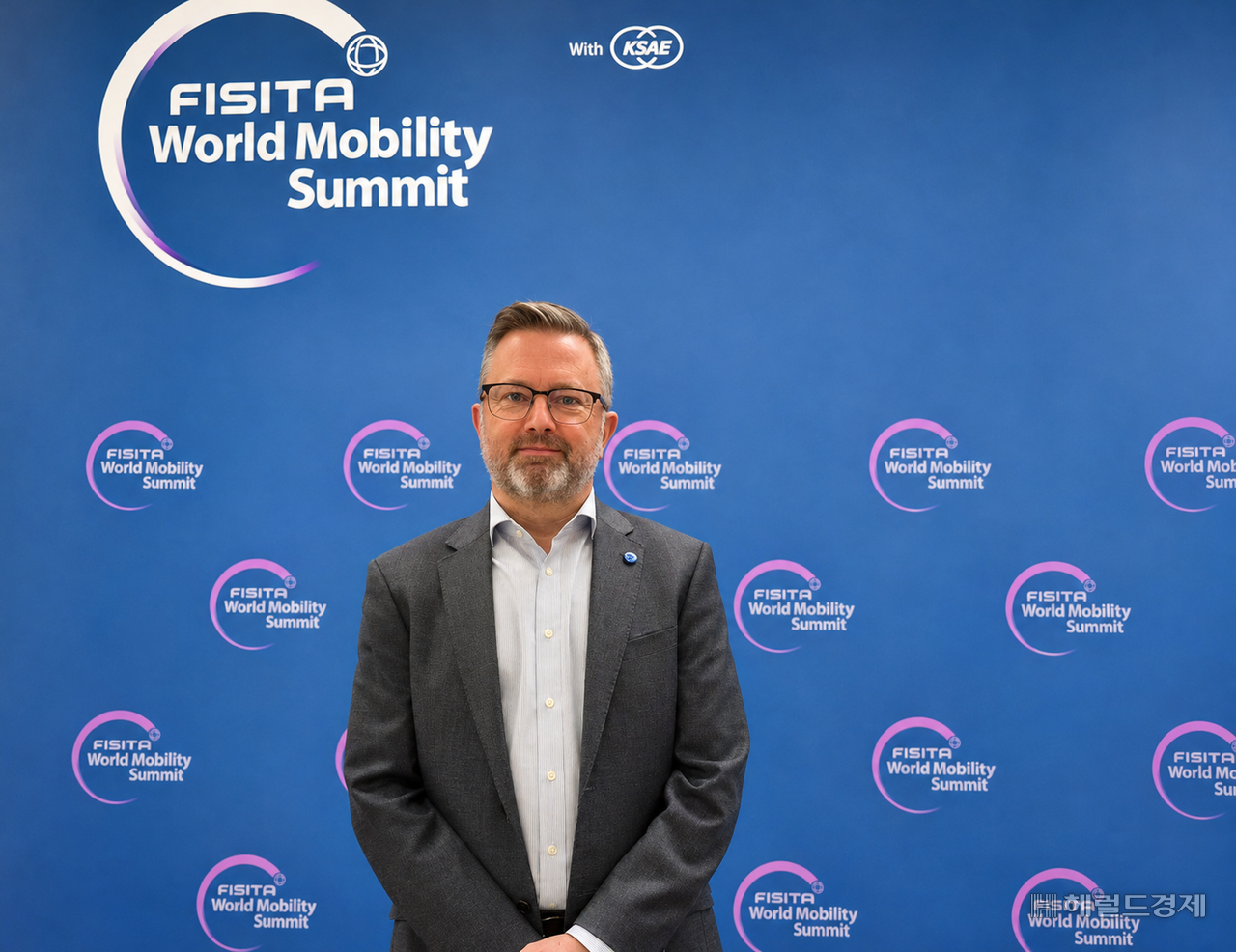
'Korea will compete through long-term investment and quality'
Mason also took note of the rapid rise of Chinese automakers. "The progress China's automotive industry has made in such a short time is remarkably impressive," he said, singling out what he called "China speed" — the pace at which Chinese manufacturers move from product development to production compared with legacy automakers.
He attributed Chinese vehicles' growing appeal to consumers to their price competitiveness and rising technological quality. "The pricing, quality and diverse lineup of new-energy vehicles are drawing consumers in," Mason said. "Charging times are also approaching those of refueling a combustion-engine car." He added: "The level of technology being developed is also very impressive. It is clear that, from a technological standpoint, China is already leading in a number of areas."
However, Mason stopped short of equating China's rise with a weakening of South Korea's automotive competitiveness.
"Thirty to 40 years ago, Korean automakers entered the global market and brought about major change," he said. "Just as countries around the world adapted to the emergence of the Korean and Japanese automotive industries back then, Korean companies will now adapt to the rise of the Chinese automotive industry."
"The Korean automotive industry will continue to invest in long-term vision and strategy, and will compete by supplying high-quality products to the global market," he added.
Mason identified bold decision-making and long-term investment in technology as key strengths of the Korean automotive industry. "Korean companies are highly innovative and bold in their decision-making," he said. "Once they set a direction, they follow through with long-term plans — and that kind of long-term strategy becomes the foundation for stability and future technology development."
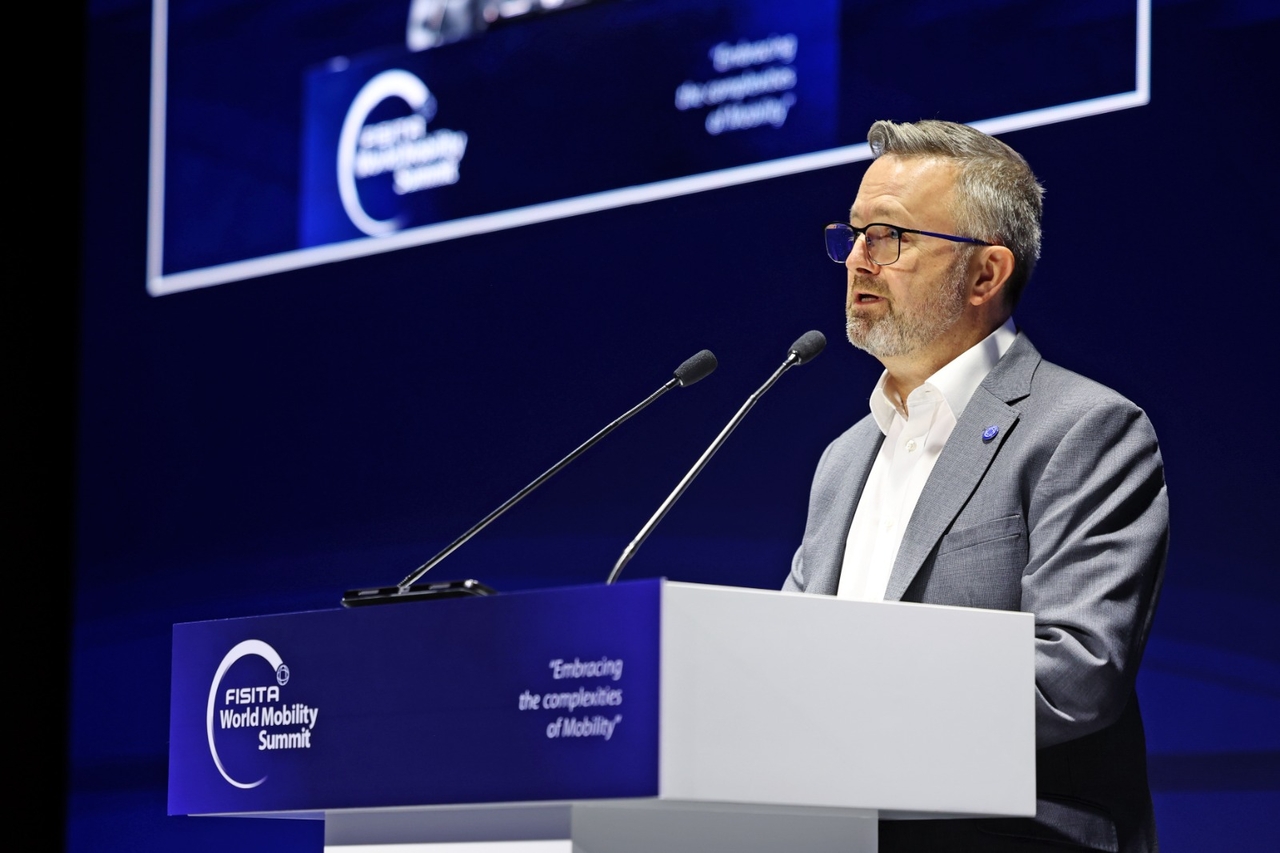
'Keep investing in hydrogen — AI will transform the auto industry'
On the hydrogen sector, where Hyundai Motor Group has been investing heavily, Mason said sustained government support is essential. "If hydrogen is to play a central role in future mobility, investment in the related infrastructure is critical," he said. "Companies are committing significant capital to use hydrogen as a power source, so governments also need to think carefully about how they can support that technological development."
Mason named AI as the technology most likely to reshape the automotive industry going forward. "We cannot yet say precisely how AI will transform the automotive industry," he said, "but looking at the pace of AI's development over the past five years, AI technology in the mobility sector will mature considerably over the next five."
Mason said the intensifying competition over core future-vehicle technologies — electrification, AI and others — will only increase the importance of collaboration between companies.
"Foundational technologies that automakers commonly need can be developed together, saving time and cost," he said. "The message most strongly emphasized at this summit was global collaboration. Engineers and technology experts learning from each other and sharing knowledge has been the driving force behind more than a century of automotive industry progress."
Asked about concerns that automakers could become overly dependent on outside technology firms, Mason said in-house development and collaboration are not mutually exclusive. "Common foundational technologies can be developed collaboratively, and then each brand can differentiate its products by layering its own unique technologies and characteristics on top," he said.
kwater@heraldcorp.com