Korea Institute of Materials Science supports localization of drivetrain components for next-generation export armored vehicles
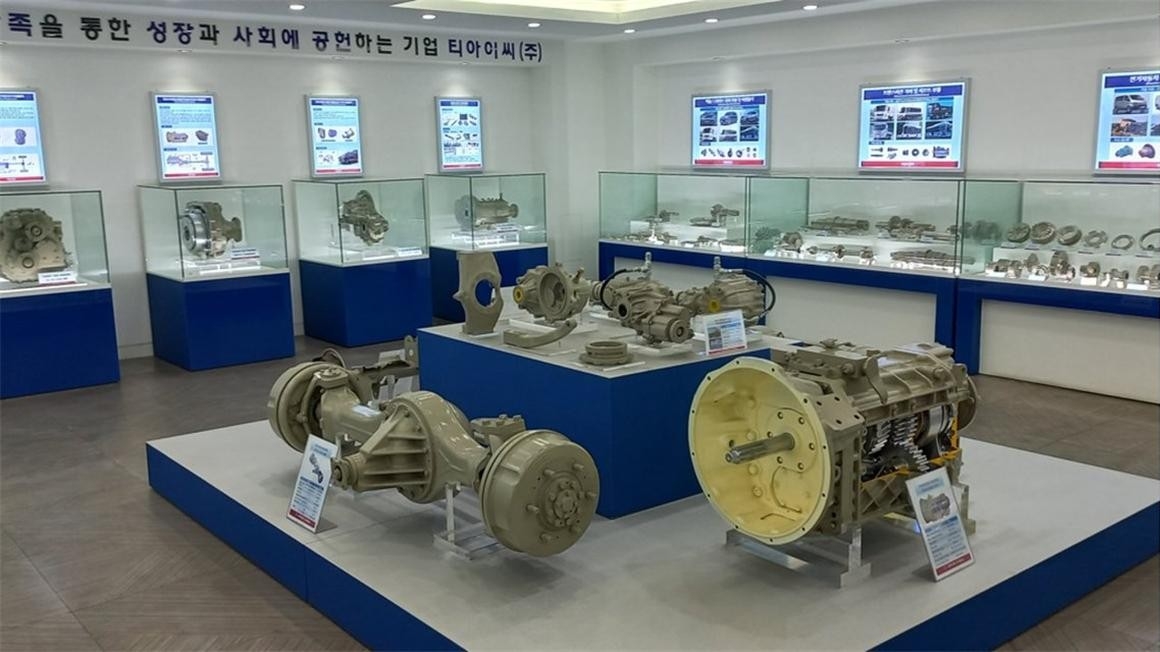
South Korea is accelerating efforts to domestically source the critical drivetrain components that power 30-ton armored vehicles.
The Korea Institute of Materials Science (KIMS) announced Friday that it has partnered with TIC, a Changwon-based defense drivetrain parts specialist in South Gyeongsang Province, to provide materials technology support for localizing key drivetrain components in next-generation export armored vehicles.
The initiative targets domestication of drivetrain modules used in 30-ton, 700-horsepower next-generation armored vehicles — developing the components that transmit power and ensure driving stability using domestic technology, with the aim of reducing dependence on foreign suppliers.
The push comes as South Korea's defense exports have surged in recent years, making a stable supply chain for critical components an increasingly urgent priority. According to the Defense Acquisition Program Administration (DAPA), domestic defense export orders reached $15.4 billion last year, up more than 60 percent from the previous year.
Relying on foreign suppliers for critical components in major weapons systems such as armored vehicles, however, risks export approval delays and parts supply disruptions that can hamper delivery. Localizing not just finished weapons systems but also the underlying materials and components is essential to maintaining export competitiveness.
The project brings together a large defense contractor overseeing armored vehicle system development, TIC handling the core drivetrain components, and specialized partner firms responsible for controllers and frames.
The biggest obstacle to localization is securing high-performance materials capable of withstanding heavy loads, intense friction and extreme temperatures.
Drivetrain parts such as gears and axles must endure the weight of a vehicle body weighing tens of tons as well as powerful engine output. A particular challenge has been that the material composition and heat-treatment conditions of existing foreign components are not disclosed, making domestic substitution difficult.
KIMS has mobilized a team led by Won Soon-ho, a principal researcher at its Industrial Technology Solutions Center, to provide tailored materials technology support.
Seven core components are targeted for support, including the auxiliary transmission, differential gear box and wheel hub. KIMS plans to conduct precise analysis of the material composition, microstructure and heat-treatment condition of foreign parts, then select substitute materials that meet domestic industrial standards.
The review will cover not only material composition but also hardenability, cleanliness, post-heat-treatment mechanical properties and domestic procurement feasibility. Researchers also plan to analyze the causes of component failures that may arise during prototype production to improve reliability.
KIMS aims to complete materials analysis and property evaluation of the key components and propose domestically sourced substitute materials by the end of the year.
TIC is expected to benefit by securing the technical data needed for prototype development and component approval by vehicle manufacturers, while cutting development time and testing and analysis costs.
The support is being carried out as a "cluster-type technology assistance" model — going beyond solving one company's technical difficulties to address the shared technology needs of multiple firms within the same defense supply chain.
KIMS plans to extend the results beyond the defense sector to high-load, high-output vehicle applications such as independent suspension axles for special-purpose vehicles.
"The materials technology and research infrastructure of government-funded research institutes can translate into industrial competitiveness only when they solve the real technical challenges companies face on the ground," KIMS Director General Choi Cheol-jin said. "We will strengthen the export competitiveness of K-defense by providing technology support that spans the entire supply chain of the region's key industries, including defense and mobility."
nbgkoo@heraldcorp.com