Master's graduate returns to hometown to take over father's seaweed farm, founds Dammiso in 2019
Moves beyond raw-material auctions to process and sell roasted and seasoned gim under own brand
From Naver to Coupang Inc to Japan exports — and a seaside café — sales target hits 2.5 billion won this year
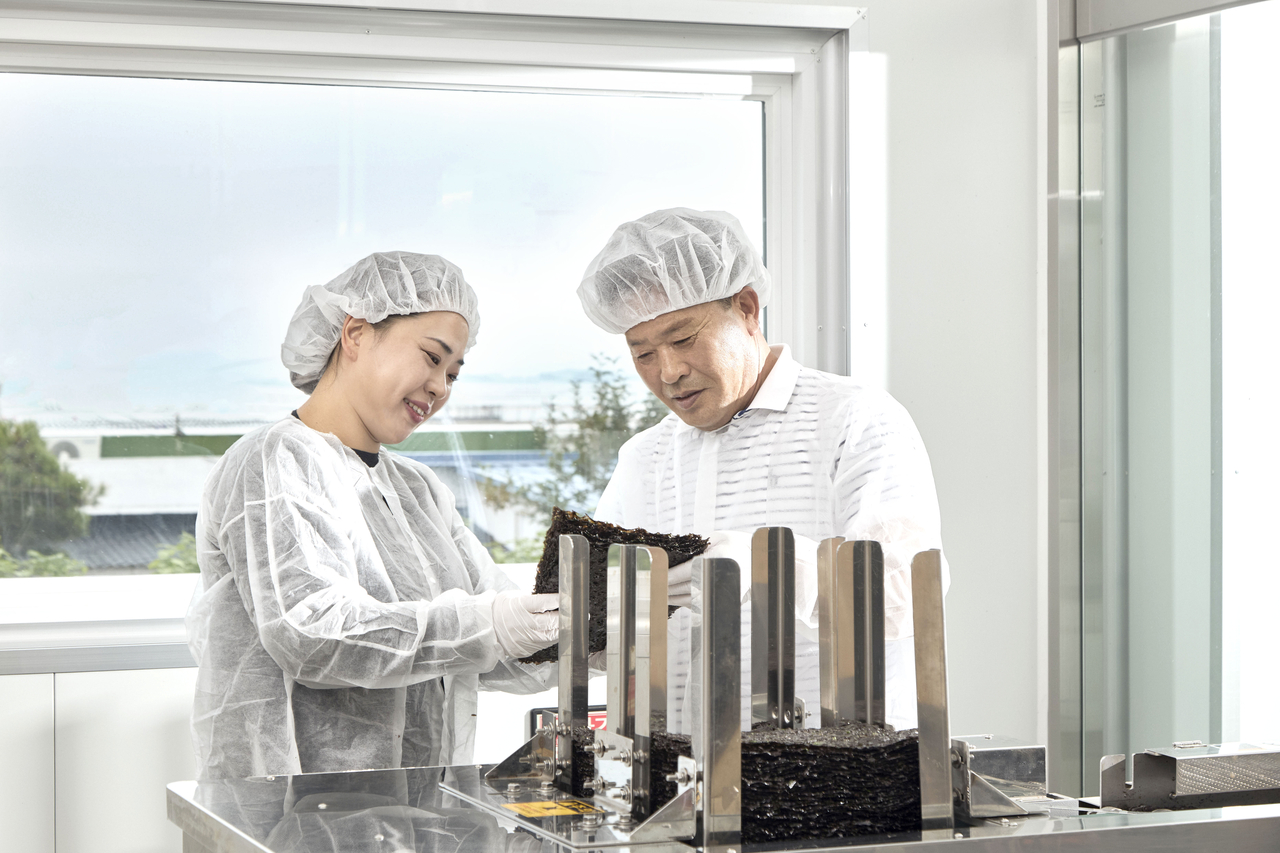
A food engineering master's graduate who once lectured at a university has become the head of a seaweed processing factory in her coastal hometown. Rather than hand over her father's harvest to an auction house, Jo Eun-gyeong chose to roast, package and brand it herself. The move was more than a simple succession — it was an effort to graft her academic expertise and business ideas onto a family seaweed farm that had never moved beyond raw-material production, opening up an entirely new market in the process.
"No matter how good the gupchanggim we produced was, once it went to auction the price was set by market conditions — we had no say at all," Jo said. "I decided to change my thinking: instead of sending the gim to auction, I would roast it and sell it myself."
Jo runs Dammiso, a seaweed processing company in Doripo, Haeje-myeon, Muan-gun, South Jeolla Province. Her story shows how the value of a raw product from the sea can change entirely depending on how it is processed and sold. The company posted 2 billion won ($1.49 million) in sales last year and is targeting 2.5 billion won this year, a goal it plans to reach by expanding supply to food-service distributors and growing online sales.
From university lecturer to factory CEO — a food engineer's leap
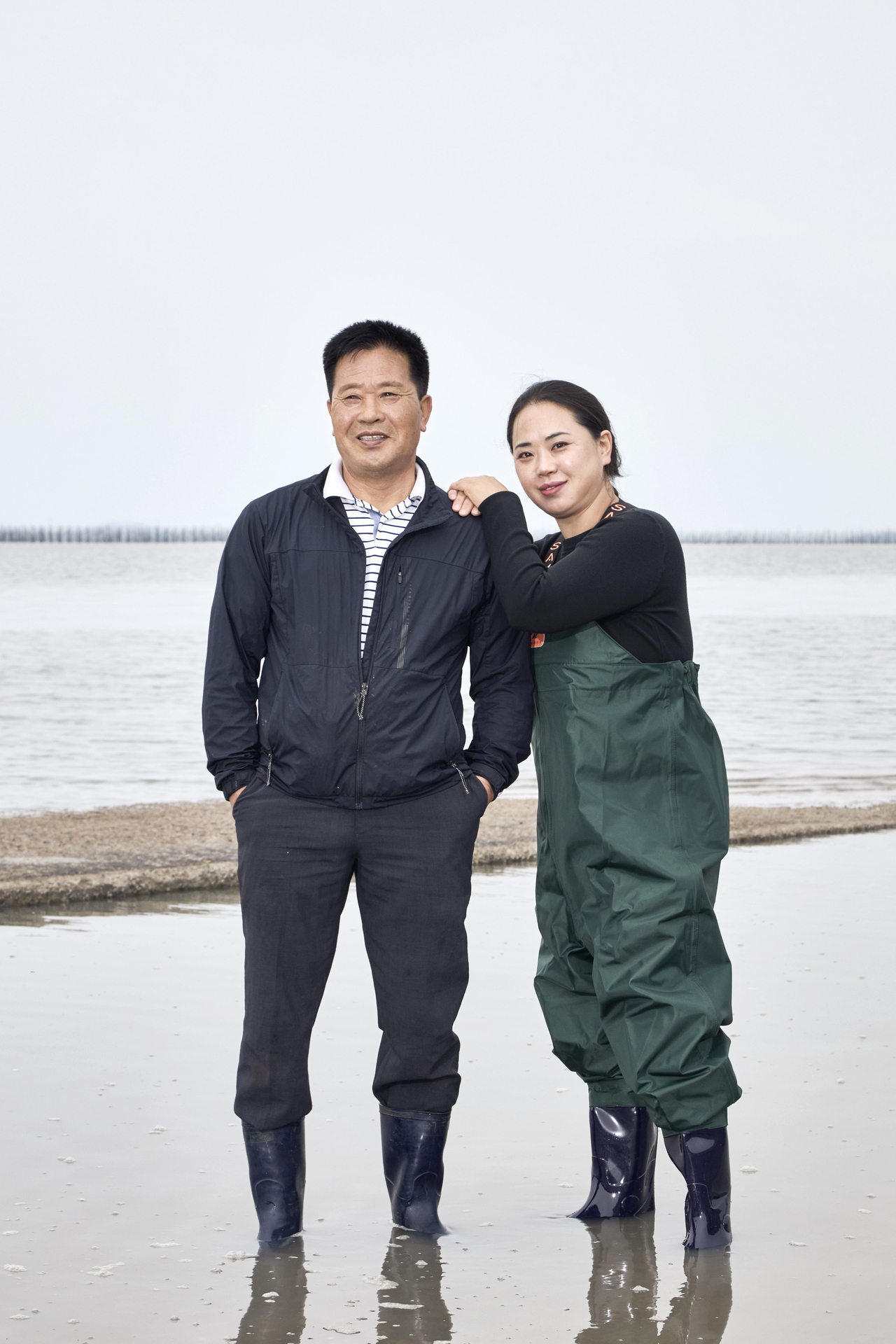
Jo holds a master's degree in food engineering from Kyungpook National University and worked as a lecturer at Nambu University before returning to her hometown of Doripo. The idea for the business came from watching her father struggle. Even when he produced high-quality gupchanggim, his earnings fluctuated with auction prices. Jo began thinking about how to bypass the auction market entirely — processing the raw gim herself and selling directly to consumers.
The plan was to apply her academic knowledge to turn gim into a finished product, but actually running a factory proved to be a separate challenge. With no experience operating processing equipment, she visited machinery manufacturers' facilities to learn the production process and how to run the machines, building hands-on knowledge step by step as she translated her academic training into a working business.
Dammiso now operates a roughly 478-square-meter gim factory in Muan, South Jeolla Province, equipped with a cold-storage room, a processing room and sanitation facilities, as well as production machinery including a foreign-matter sorter, a roaster, an automatic seasoning machine, a counter and an automatic feeder. The company manages everything in-house, from securing raw gim to processing and packaging.
November through March — gupchanggim's narrow harvest window
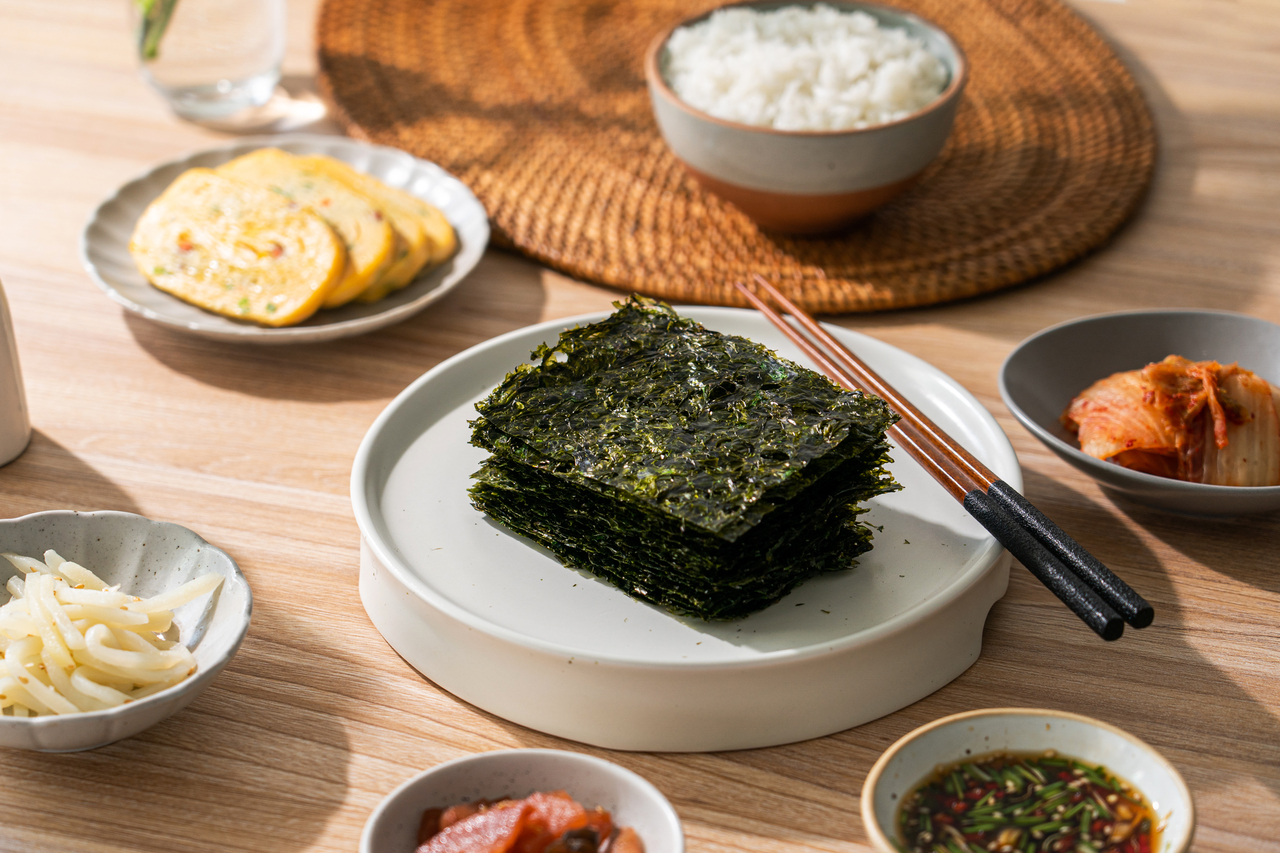
Dammiso's flagship product is gupchanggim, a specialty of Doripo. Also known as "itbadi dolkim," gupchanggim is distinguished by its wavy, hole-riddled leaves — a look quite different from ordinary gim.
Doripo farmers use a traditional stake-based cultivation method, planting poles in the sea so the gim is submerged at high tide and exposed to sunlight and sea breezes at low tide. Output is lower than with the more common floating-raft method, but Jo says the taste and quality more than make up for it.
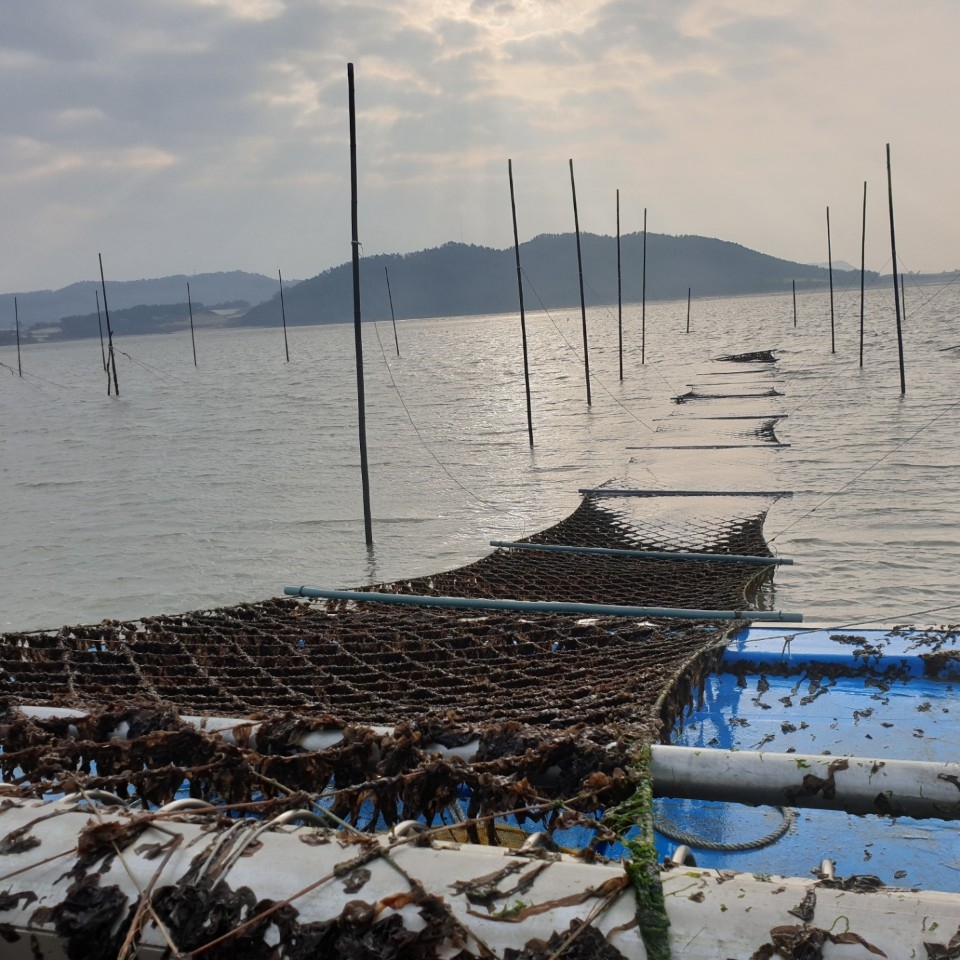
Gupchanggim is harvested over a maximum of five months, from November through March of the following year, with three to five harvests depending on farm conditions. The first harvest of the season is particularly prized for its flavor. Because the production window is short and yields are limited, securing good raw gim is critical.
The variety's distinctive holes can actually work against it during quality inspections. Inspection standards were designed around ordinary gim, so gupchanggim's natural shape is sometimes flagged as a defect. Jo believes separate quality criteria that reflect the variety's unique characteristics are needed.
'Why go to the trouble of processing it?' — choosing direct sales over the auction floor
"I thought: what if we processed the good raw gim ourselves and sold it directly to consumers?" Jo said. "Connecting production, processing, branding and consumer sales ourselves — that was the starting point of the business."
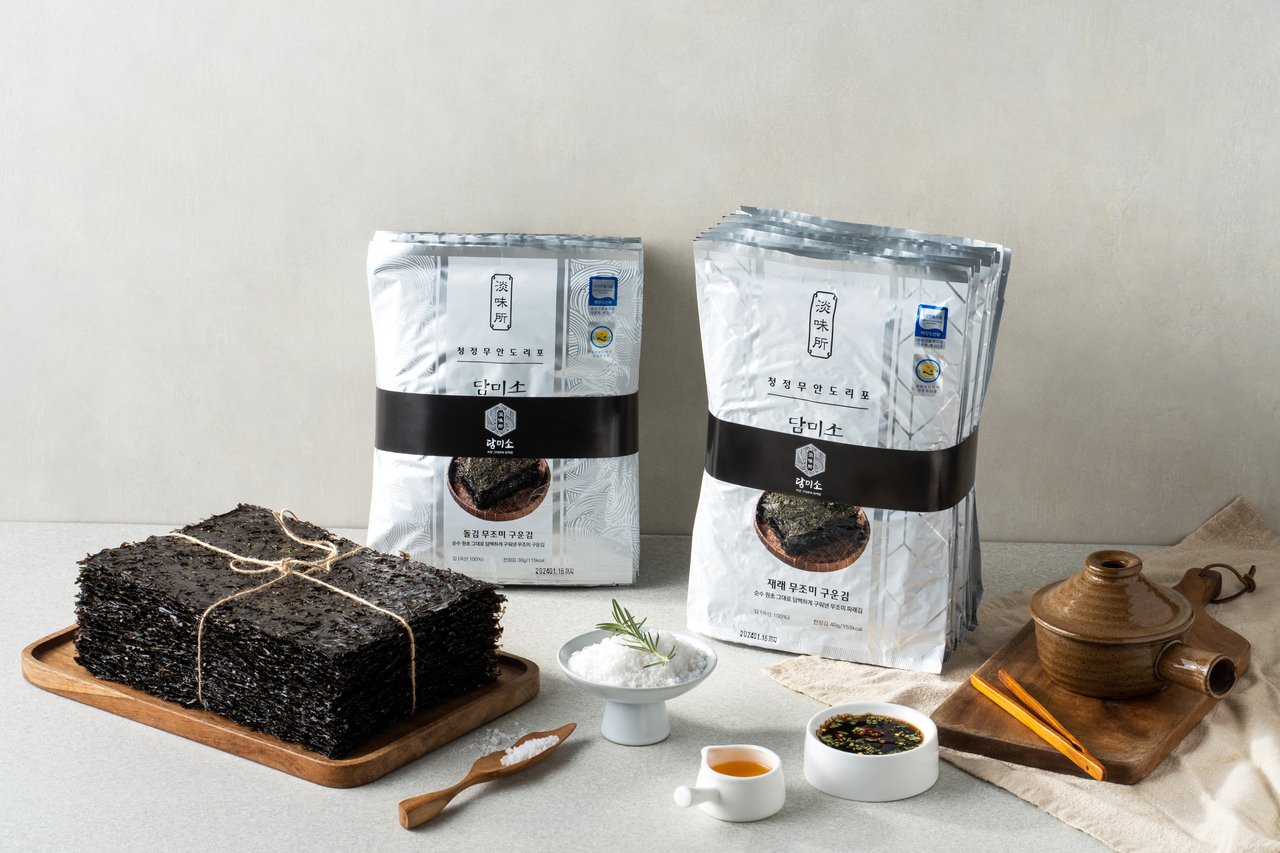
The initial reaction from those around her was not encouraging. People questioned why she needed to bother with processing when she could simply produce gim and send it to auction as before. Jo pressed ahead regardless, turning the raw gim into unseasoned roasted gim and seasoned gim products. She also introduced a system for buying fresh wet gim from local fishers and processing it herself.
The product range has grown steadily. Dammiso now sells gupchangdolkim and gupchang traditional gim in unseasoned, seasoned and half-and-half varieties, and has added traditional cut gim and mini gim to the lineup. Gift sets are assembled in various configurations — from a half-bundle to three bundles — to suit different consumer needs.
From Naver and Coupang Inc to Japan exports — and a seaside café
Dammiso has pushed its sales channels well beyond the auction market. The company operates online storefronts on Naver Smart Store, Coupang Inc and KakaoTalk Store, and has listed its products on regional specialty platforms including Gohyang Sarang E-eum and Namdo Jangter. It also produces custom gift sets with tailored packaging designs for corporate and institutional clients.
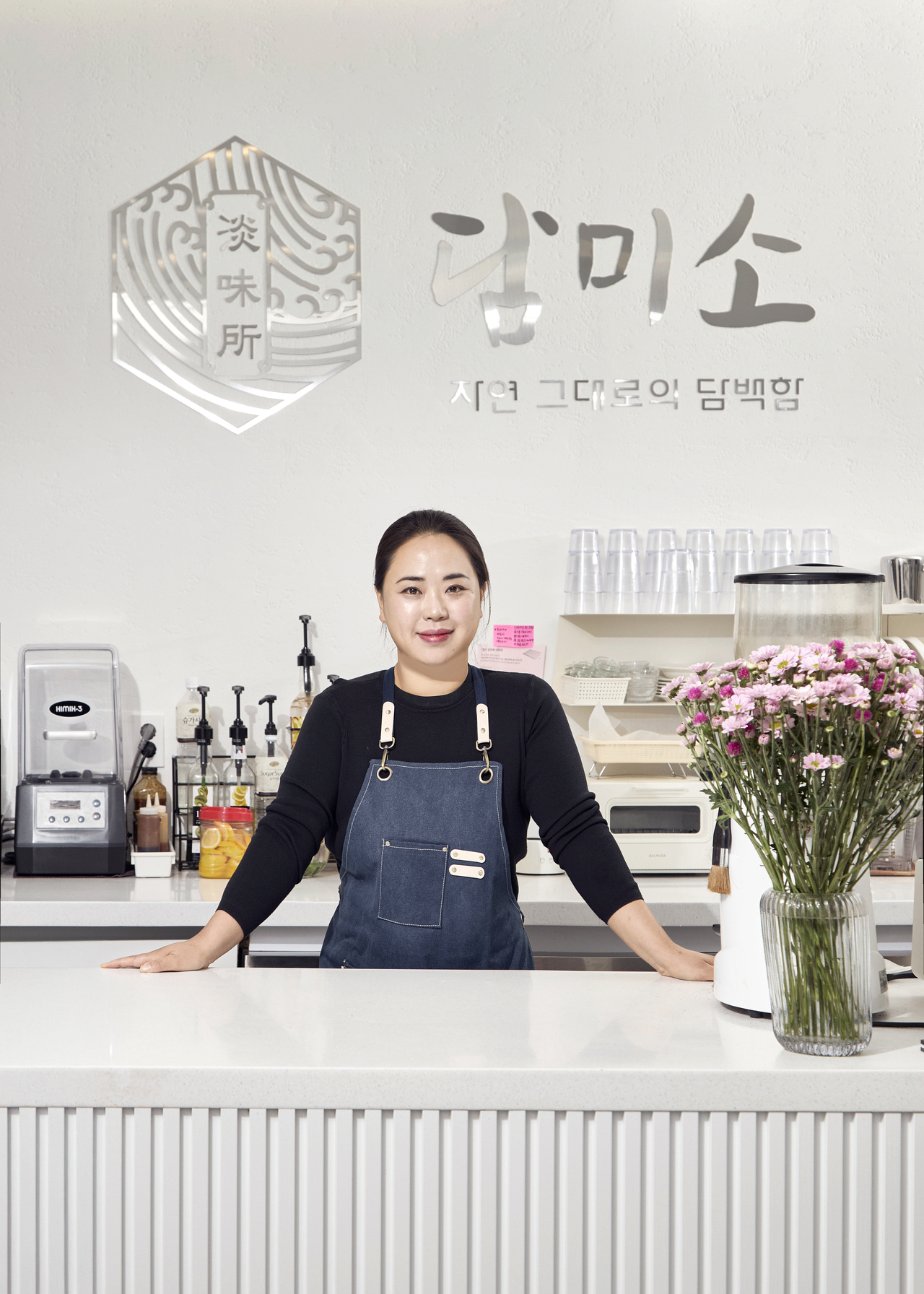
In Doripo, Dammiso also runs a café. The ground floor serves as a gim product showroom and shop, while the second floor offers views of the sea — giving visitors a chance to taste and buy gim on the spot.
The brand name itself reflects the company's philosophy. Dammiso combines three Korean characters meaning "plain," "taste" and "place," expressing a commitment to the clean, natural flavor of the sea.
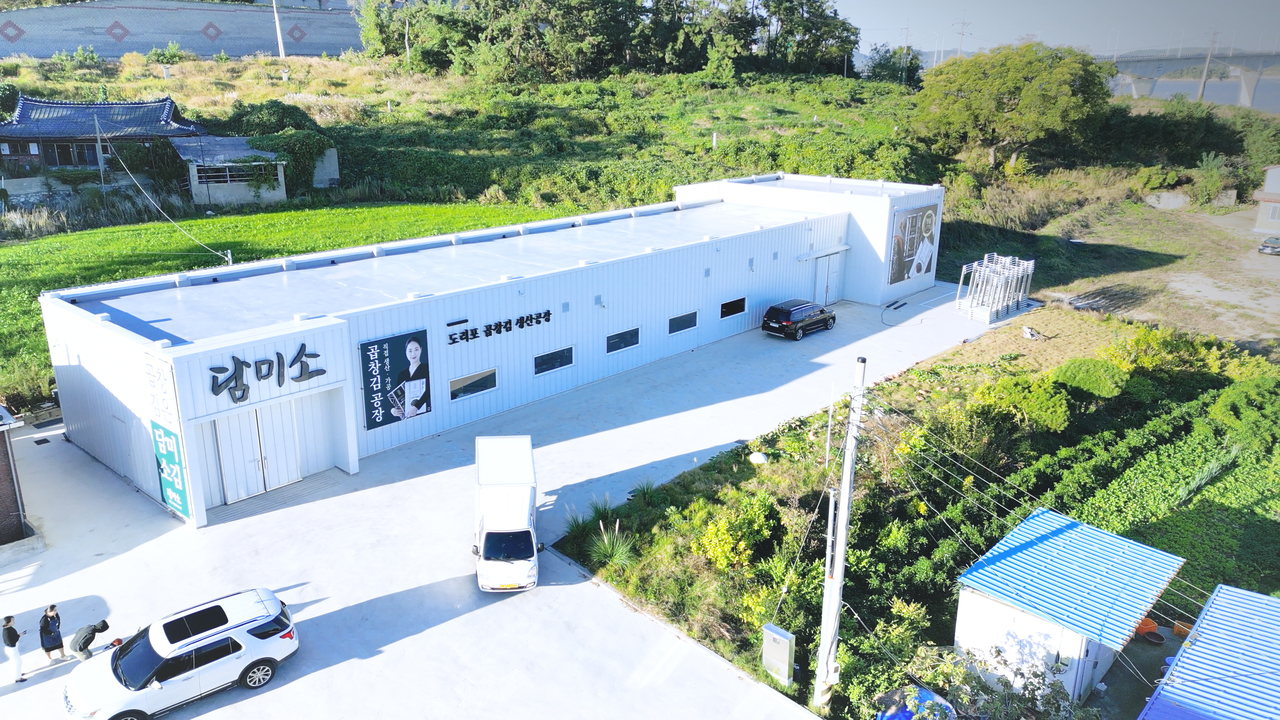
Dammiso employs 10 people. Annual output stands at 50,000 bundles — about 5 million sheets, given that one bundle contains 100 sheets. Products are sold through domestic online and offline channels and exported to Japan.
The company received South Jeolla Province governor quality certification in 2020 and women-owned business certification in 2022, and participated in the Seoul International Food Industry Exhibition in 2023. Jo has also received commendations from the South Jeolla Province governor and the minister of Oceans and Fisheries.
Growing alongside local fishers — 'We must raise the value of what the sea gives us'
A core principle for Jo is building a structure that grows together with the local fishing community. The model involves buying wet gim from local fishers in Doripo, processing it in-house and selling the finished gupchanggim under Dammiso's own brand — adding value at every step.
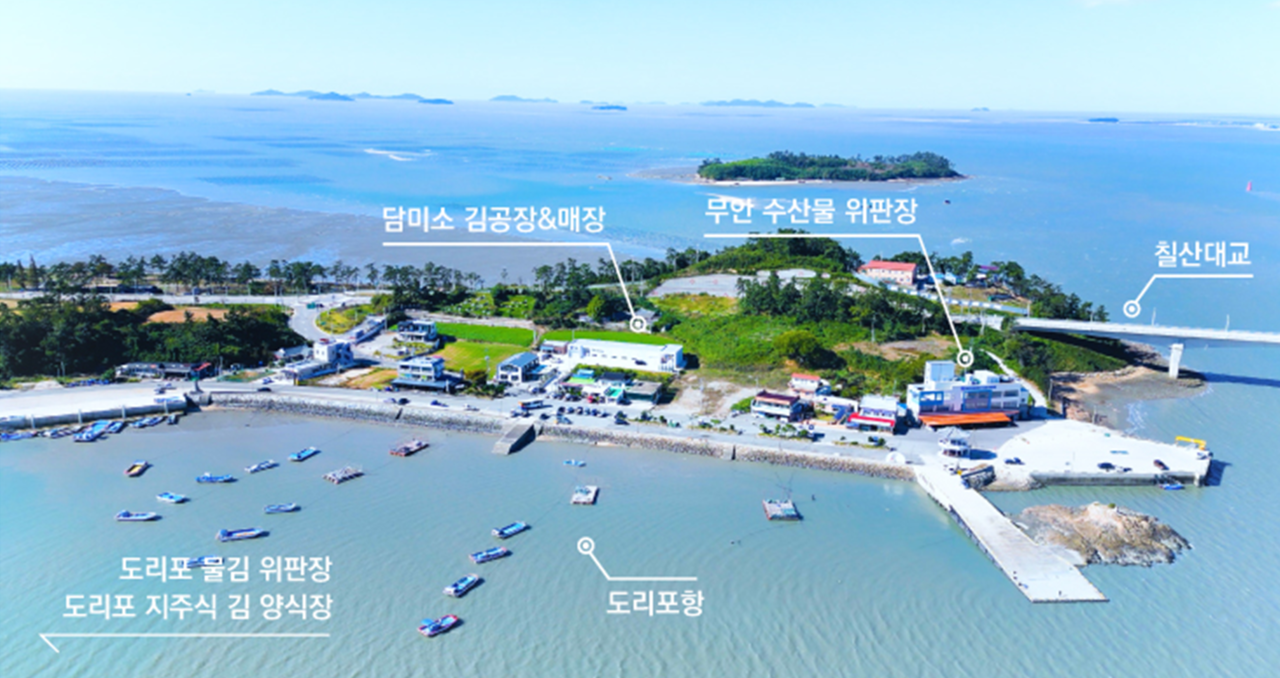
On government and local authority support programs, Jo pointed to indirect benefits from infrastructure improvements rather than direct funding. Doripo port was selected as a site for the Fishing Village New Deal program in 2020, which drove upgrades to the pier and shared work facilities.
For young people considering a career in fishing, she advises planning for processing and sales before worrying about production. The key, she says, is designing not just what raw product to grow, but who will buy it, what form it will take after processing and at what price it will be sold.
"When you decide to enter the fishing industry, you cannot base that decision simply on hearing that a certain species makes money," Jo said. "You have to look at the local production environment, the sales channels, the upfront investment costs and how long it takes to learn the skills."
Looking ahead, Dammiso plans to improve production efficiency and expand supply to food-service and retail distributors. It will also increase the share of online sales through its smart store and live-commerce channels. Beyond roasted and seasoned gim, the company is developing new gupchanggim products that can be enjoyed in different ways.
"I hope young people think not only about what to catch from the sea, but about how to make what the sea gives them more valuable," Jo said.
adastra@heraldcorp.com