'Property, land taxes directly tied to 2028 general election'
Cheong Wa Dae: 'It was not on the agenda'
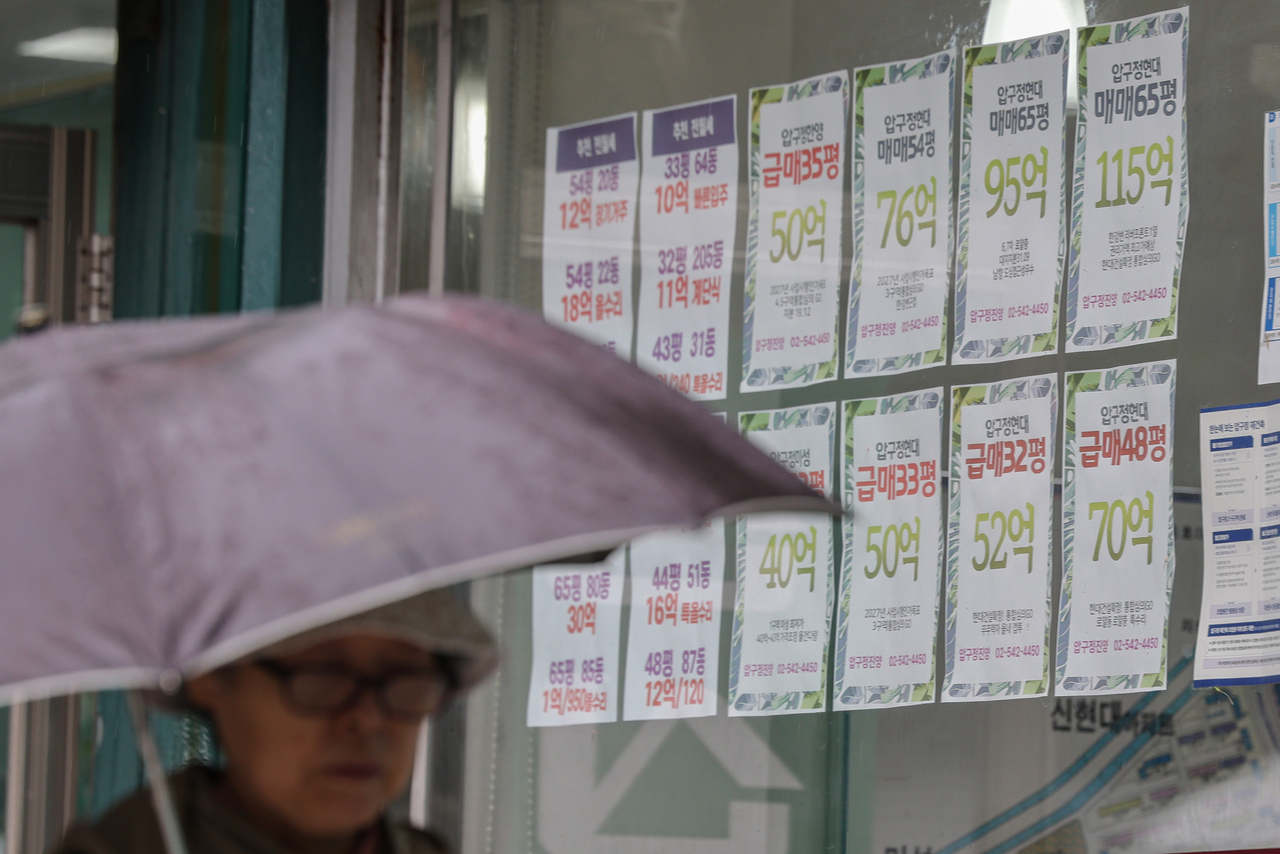
The Democratic Party of Korea said Sunday it has strongly urged the government to unify the basic deduction threshold for the comprehensive real estate tax — known as jongbuse — at 1.4 billion won ($1.04 million) per property, regardless of whether the owner lives in the home.
The comprehensive real estate tax is levied annually on individuals whose combined publicly assessed value of taxable residential and land holdings in South Korea, as of June 1 each year, exceeds the applicable deduction threshold, with the tax applied only to the amount above that threshold.
Democratic Party Chief Spokesperson Park Seong-jun made the announcement at a National Assembly briefing following a high-level party-government consultative meeting. Park said the proposal had been raised by Secretary General Han Jeong-ae and had also come up in discussions among Seoul-area lawmakers. The push reflects growing concern within the party that public sentiment toward the government is souring over real estate policy, and that easing the tax burden could help address the problem.
"If this year's budget-accompanying bills and real estate tax legislation pass, property taxes, land taxes and the comprehensive real estate tax will all be assessed next year," Park said, adding that there was a view within the party that the government should carefully examine the tax issue, which is of paramount concern to voters in Seoul.
Asked about reports that Cheong Wa Dae had shrugged off the party's demand, Park said, "Since the party has made a strong request, it remains to be seen," and stressed that "lawmakers are paying very close attention to property and land taxes, as they are directly tied to the 2028 general election."
On whether another high-level party-government consultative meeting would be held to discuss real estate tax reform, Park said a further senior-level session was unlikely, but added, "We do not know how it will be reflected when the budget-accompanying bills pass, but the party has again made its position strongly known."
A Cheong Wa Dae official said the party had conveyed a range of views to the government and Cheong Wa Dae, but added that matters related to the comprehensive real estate tax and residency requirements were not on the agenda of the meeting.
The government's original tax reform proposal had set differentiated deduction thresholds for single-home owners — 1.4 billion won for owner-occupants and 900 million won for non-residents. However, at the request of the Democratic Party leadership, which feared a public backlash over rising tax burdens, the government submitted to the National Assembly a revised plan setting the deduction at 1.4 billion won for owner-occupants and 1.2 billion won for non-residents.
ikson@heraldcorp.com