Zigbang analysis of real estate platform data
Buyers flock to unregulated zones
Transaction prices rise in Bundang, Pyeongchon
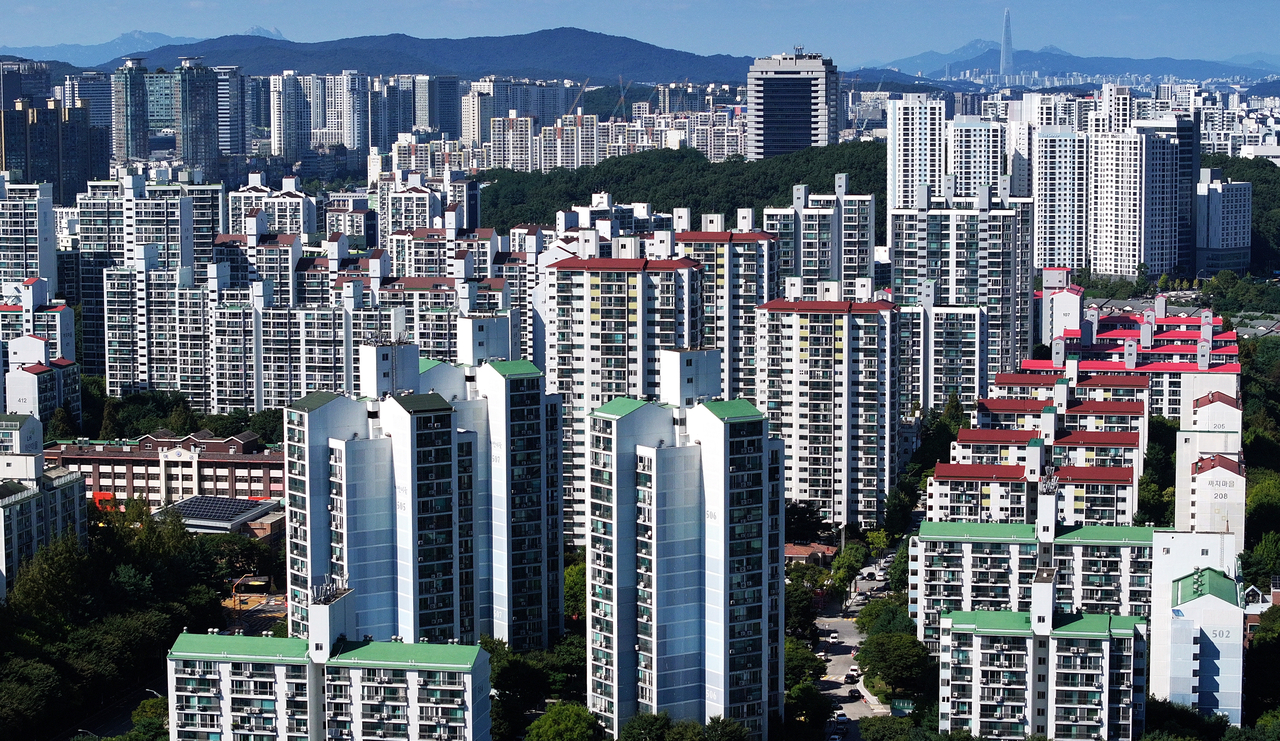
Apartment transaction volumes across South Korea's first-generation new towns rose more than 11 percent over the past year, but sharp regional divergences emerged. Trade counts nearly doubled in unregulated areas, while prices climbed most steeply in regulated zones such as Bundang and Pyeongchon.
Real estate platform Zigbang analyzed Ministry of Land, Infrastructure and Transport actual transaction price data and found that apartment sales in the five first-generation new towns totaled 13,808 transactions over the most recent 12-month period from November 2025 through October 2026 — up 11.4 percent from 12,392 deals recorded in the preceding 12 months from November 2024 through October 2025.
Sanbon posted the steepest climb, with transactions surging 108.2 percent to 3,190 from 1,532 over the same period. Its share of total first-generation new town transactions expanded from 12.4 percent to 23.1 percent, the highest among the five new towns. Jungdong and Ilsan also recorded gains of 83.8 percent (1,546 to 2,842) and 34.0 percent (1,740 to 2,331), respectively.
Bundang, by contrast, saw transactions fall 41.0 percent from 5,033 to 2,967, while Pyeongchon edged down 2.5 percent from 2,541 to 2,478.
The divergence appears to reflect a combination of regulatory status and the pace of redevelopment projects following the government's Oct. 15 real estate measures last year. Bundang and Pyeongchon were designated as regulated zones and land transaction permit areas under those measures, while the other three new towns were excluded. Apartments subject to land transaction permit requirements are in principle bound by an owner-occupancy requirement, making gap investment — buying a unit while keeping an existing jeonse tenant to minimize upfront costs — effectively impossible.
In Sanbon and Jungdong, transactions began picking up in October and November last year, with monthly volumes running at roughly 200 to 300 deals. From July through September this year, Sanbon recorded 834 transactions and Jungdong 819, up 129.1 percent and 115.0 percent, respectively, from the same period a year earlier. Sanbon received an additional boost in December last year when two of its pilot districts became the first in any first-generation new town to be designated as special redevelopment zones, fueling reconstruction expectations.
Price trends, however, diverged from transaction volumes. Based on actual transaction prices over the past year, the median sale price per 3.3 square meters of exclusive use area in Sanbon rose 8.3 percent from 21.52 million won ($16,000) to 23.3 million won, while Jungdong gained 5.4 percent from 22.91 million won to 24.14 million won. Ilsan fell 2.0 percent from 20.56 million won to 20.14 million won.
Bundang, despite its drop in transaction volume, saw its median sale price per 3.3 square meters jump 35.5 percent from 52.24 million won to 70.81 million won. Pyeongchon rose 22.0 percent from 33.86 million won to 41.32 million won. Analysts attributed the gains to the areas' locational strengths — proximity to Seoul, school districts and lifestyle amenities — compounded by redevelopment expectations.
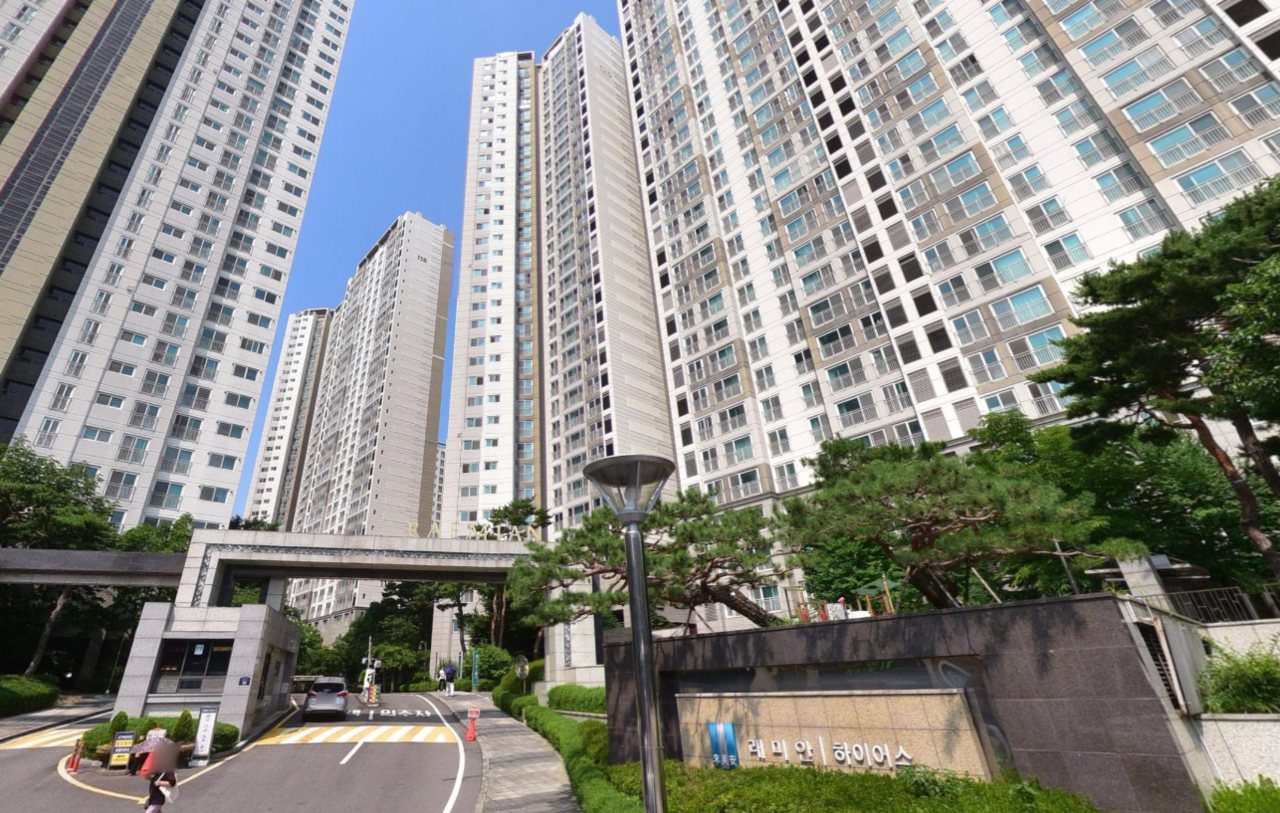
Among pilot districts selected under the Special Act on Aging Planned Cities, price trends varied by the pace of project progress. In Sanbon, the median sale price in pilot districts — zones 9-2 and 11 — rose 14.9 percent over the past year, nearly double the 7.9 percent gain recorded at non-pilot complexes completed in the 1990s. Jungdong's pilot districts also outpaced non-pilot complexes, rising 9.6 percent against 5.1 percent.
In Bundang and Pyeongchon, non-pilot complexes outperformed. While the median sale price at Bundang's pilot districts — Sibeom, Saetbyeol, Yangji and Mongnyeon villages — rose 29.0 percent, non-pilot complexes gained 37.7 percent. In Pyeongchon, non-pilot complexes rose 23.4 percent, outpacing the 7.5 percent increase at pilot districts.
The share of record-high transactions also shifted. In Bundang, the proportion of record-high deals at non-pilot complexes climbed from 26.3 percent to 47.4 percent over the past year, overtaking pilot districts, where the share fell from 55.3 percent to 37.7 percent. In Pyeongchon, the record-high transaction share at non-pilot complexes rose from 2.8 percent to 22.3 percent, though it remained below pilot districts, which edged up from 42.9 percent to 47.0 percent.
Kim Eun-seon, head of Zigbang's big data lab, said redevelopment expectations had been priced into Bundang and Pyeongchon relatively early, while Sanbon and Jungdong had benefited more recently from a combination of favorable buying conditions as unregulated areas and tangible progress on redevelopment — driving price gains concentrated in pilot districts over the past year. "Going forward, transaction volumes and prices across the first-generation new towns are expected to follow different trajectories depending on buying conditions in each area and the pace of reconstruction progress at individual complexes," Kim said.
shy@heraldcorp.com