Seoul holds roundtable on student housing stability
Interest-free deposit support of up to 45 million won for youth safe housing
City targets 6,000 shared housing units and new youth future town
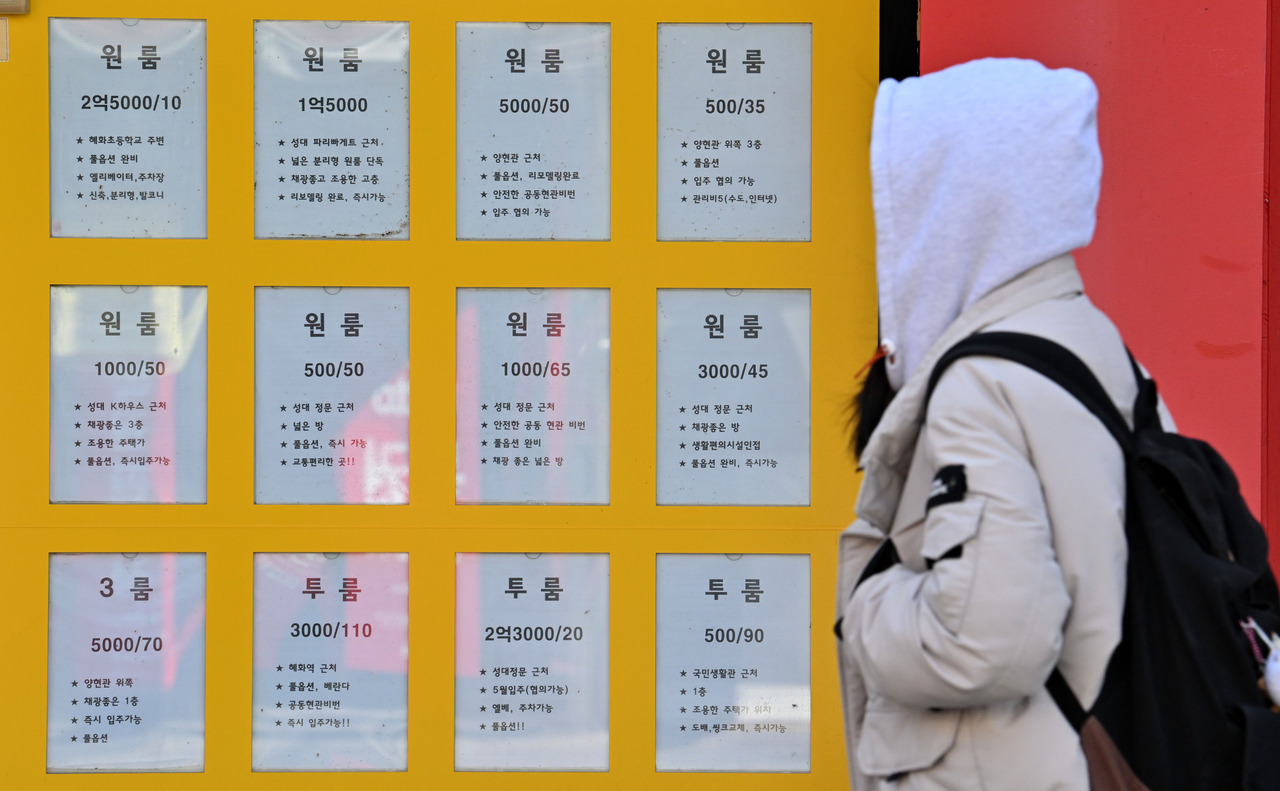
The Seoul Metropolitan Government will begin covering maintenance fees for young renters in the second half of next year as part of efforts to ease housing costs for youth. The city is also pushing to provide interest-free deposit support of up to 45 million won ($33,500) for residents of youth safe housing.
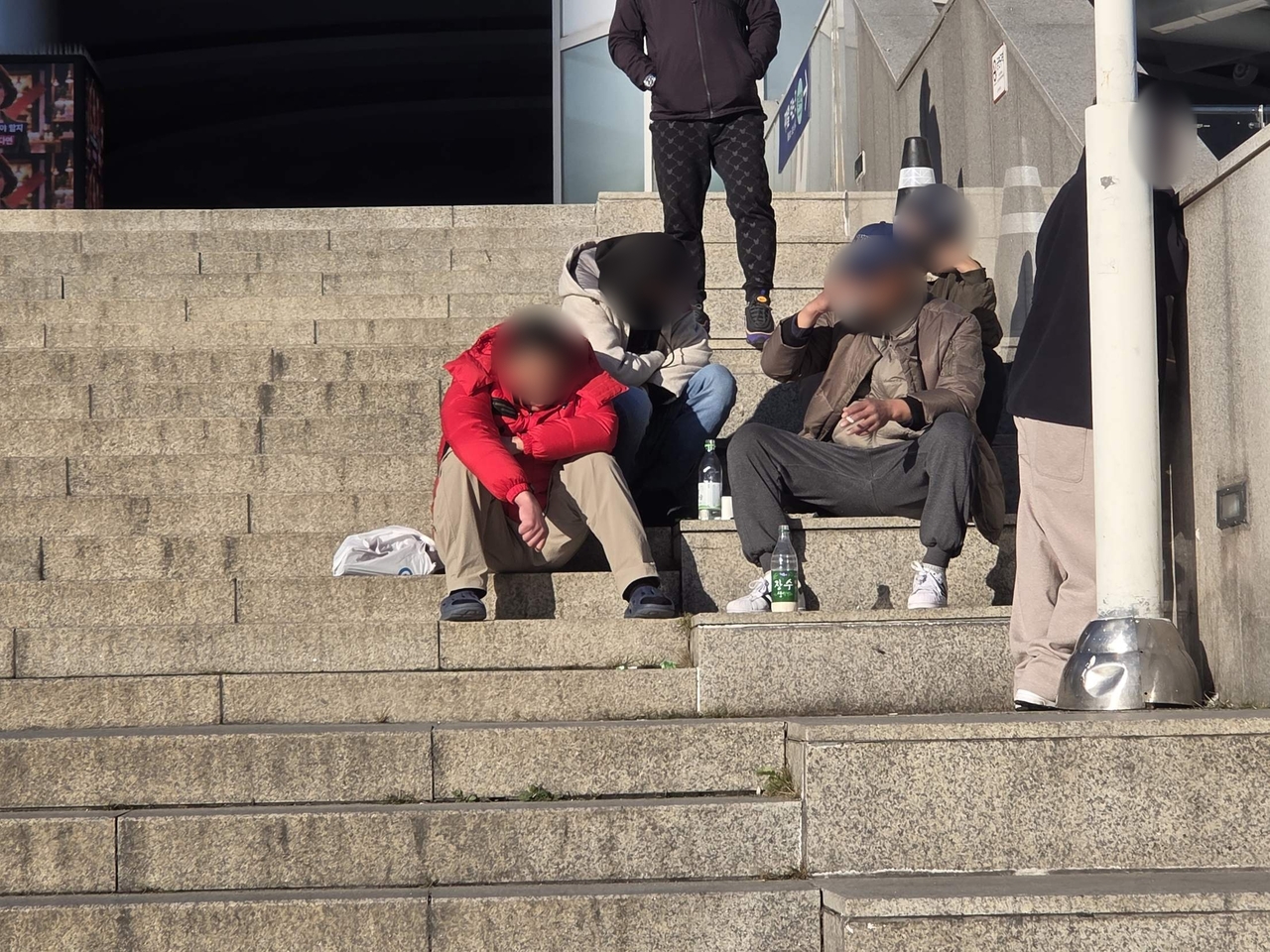
The city held a roundtable on university student housing stability at Dongguk University's Wonheung Hall on Thursday, bringing together students, landlords and experts to discuss ways to reduce the housing burden on young people.
At the event, students described the hardships they face as rising monthly rents and maintenance fees force them to choose smaller, older units or take on more part-time work. Seoul Mayor Oh Se-hoon said the city would continue its existing youth monthly rent support program while moving to add maintenance fee assistance starting in the second half of next year.
Funding for the interest-free deposit support of up to 45 million won for youth safe housing residents has already been included in next year's budget proposal.
The city launched its youth monthly rent support program in 2020, initially covering 5,000 recipients, and has steadily expanded its reach since then. The number of beneficiaries stood at 36,000 in 2022, 44,000 in 2024 and 32,000 this year.
Eligibility criteria have also been loosened. The income threshold was raised from 120 percent to 150 percent of the median income in 2021, and the deposit ceiling for eligible housing was increased from 50 million won to 80 million won in 2024.
The city is also scaling up the supply of Seoul-style shared housing for university students, targeting 6,000 units by 2030 through a mix of purchase-for-lease arrangements, donation-in-lieu-of-development contributions, public-private partnerships and private rentals.
Under the public-private partnership model, the city provides the site while the Korea Private School Promotion Foundation handles construction and management. Idle land including public parking lots and railway sites is currently being reviewed as potential locations.
The city is also considering adding sports and cultural facilities to the shared housing complexes and opening ancillary parking and dining facilities to the surrounding community.
For Seoul-style shared housing, the city has already completed purchase reviews for 540 units — more than double the public acquisition target of 250 units set for this year. The city plans to finalize purchase agreements by year's end.
Landlords and experts at the roundtable noted that tightened deposit insurance requirements following a wave of jeonse fraud have accelerated the conversion of small studio units to monthly rent arrangements. They also called for regulatory reform, arguing that tax surcharges on multi-home owners are adding upward pressure on monthly rents.
In March, the city unveiled a youth housing stability plan to supply 74,000 life-stage-tailored youth housing units over the five years from 2026 to 2030.
As of the end of September this year, about 11,000 units had been supplied, reaching 84 percent of the annual target of 13,000. By type, the supply included 7,586 youth safe housing units and 2,565 Mirinaezip units. New programs — including Seoul-style starter studios and shared housing — are set to launch in earnest next year.
The city is also moving ahead with plans for a youth future town that combines housing with employment and startup support, as well as cultural and leisure amenities. The former National Institute of Health site has been designated as the pilot development, with three additional locations — the Sinnae vehicle depot, the Susaek vehicle depot and the Tancheon Water Reclamation Center — to be developed in phases, bringing the total to four sites.
"We will supply youth housing without interruption and provide comprehensive housing cost support so that the housing ladder for young people can be restored," Oh said.
Meanwhile, the city has eased the income threshold for its youth rental deposit interest subsidy program from 40 million won to 50 million won per year, effective June this year. The program targets youth between the ages of 19 and 39, allowing them to borrow up to 200 million won — within 90 percent of their rental deposit — with the city covering 2.0 percent annual interest on the loan.
quq@heraldcorp.com