
Huang's return after just 11 days echoes the dramatic comebacks of Steve Jobs, Sam Altman and Jack Dorsey
Jobs came back after 12 years, Dorsey after 7, Altman after just five days — now US media scrutinize Silicon Valley's 'founder worship' culture
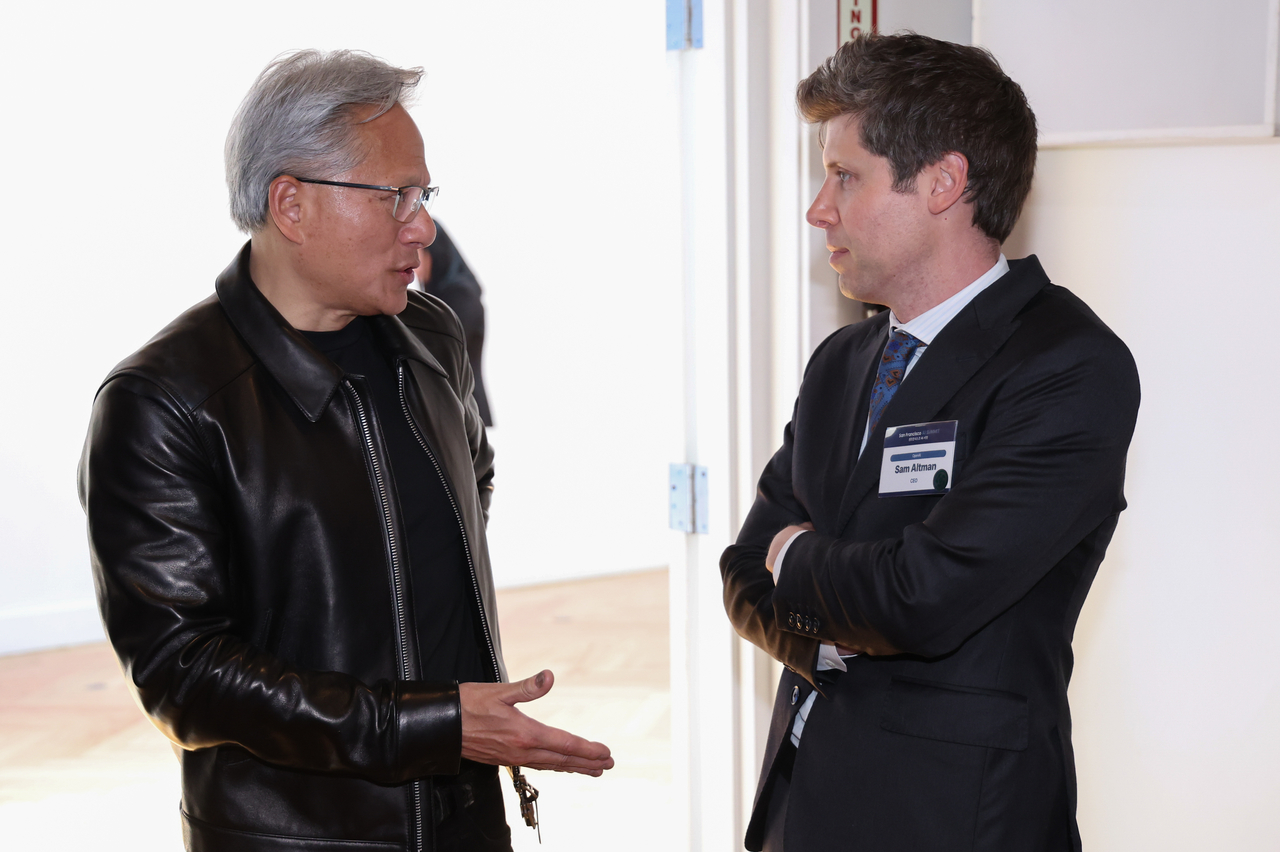
First it was Steve Jobs. Then Sam Altman. Now Jensen Huang. The Nvidia CEO's return to the helm just 11 days after stepping down amid a personal scandal and allegations of ties to Chinese intelligence has renewed attention to Silicon Valley's recurring pattern of founder comebacks — a cycle in which the very people who built their companies get pushed out over controversy or boardroom conflict, only to return and lead them again. American media say the phenomenon reflects a distinctly Silicon Valley culture of "founder worship," in which founders are treated as irreplaceable.
On Monday (local time), The New York Times, the Wall Street Journal and other major US outlets used Huang's sudden reinstatement as an occasion to revisit the string of dramatic founder returns that have punctuated Silicon Valley's history.
Nvidia's board voted unanimously that day to restore Huang as president, CEO and board director — just 11 days after he resigned on Nov. 12 over privacy-related controversy and national security allegations. The board said it had consulted senior US government officials and concluded that Huang's return would not pose a national security risk.
Huang's comeback bears a striking resemblance to the ouster of OpenAI CEO Sam Altman in November 2023. At the time, OpenAI's board abruptly fired Altman, saying it had lost confidence in his ability to continue leading the company.
The board's decision triggered a fierce backlash. More than 700 employees threatened to resign en masse unless Altman was reinstated, and investors joined the revolt, throwing the company into serious turmoil. Altman returned to the CEO role just five days after being removed.
At a New York Times conference last week, Altman addressed Huang's resignation, saying he could "relate to that situation a little more than the average person" — a remark widely interpreted as a reference to his own sudden firing and subsequent return.
When news of Huang's reinstatement broke that day, Altman posted a single word on social media platform X, formerly Twitter: "Jensen!" — a brief but unmistakable show of support.
Huang and Altman are far from the only Silicon Valley founders to have stepped away and come back.
Twitter co-founder Jack Dorsey stepped down as CEO in 2008, only to reclaim the role seven years later in 2015, when the company was struggling with poor earnings and a leadership vacuum and ultimately turned back to its founder.
Michael Dell, founder of global computer manufacturer Dell, followed a similar path. He left the CEO post in 2004 but returned in 2007 as the company faced mounting difficulties — a case widely seen as a founder being called back to steer a company through crisis.
The most iconic example remains Apple co-founder Steve Jobs. Jobs was effectively forced out of the company he had built following a power struggle in 1985. He returned 12 years later, in 1997, as Apple teetered on the edge of bankruptcy.
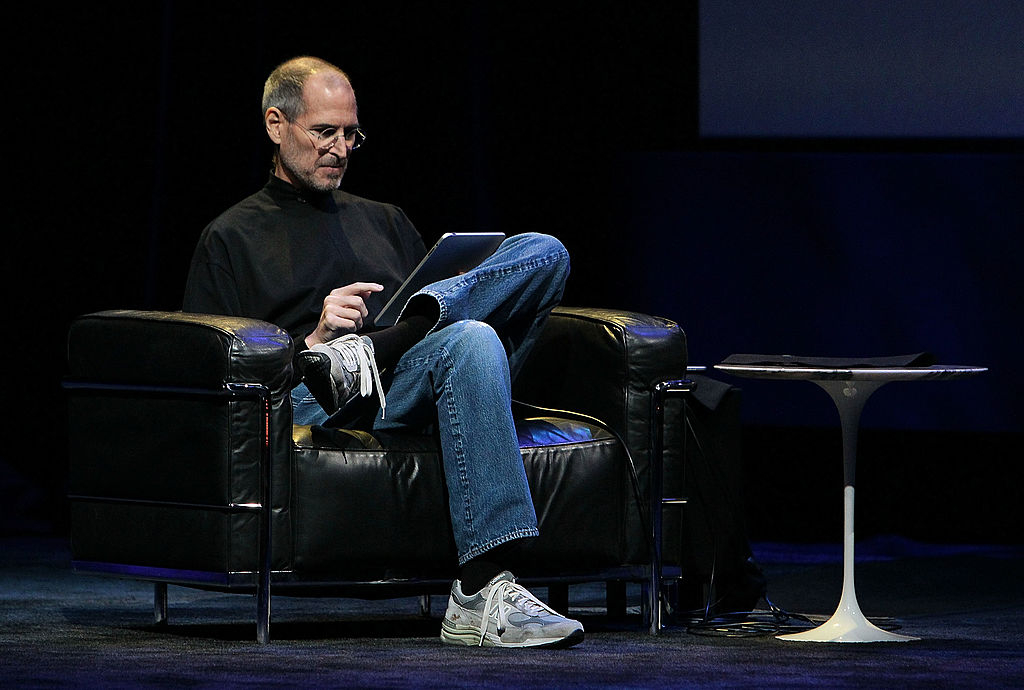
After his return, Jobs unveiled a succession of groundbreaking products — the iMac, iPod and iPhone — that drove Apple's revival. The iPhone in particular reshaped the smartphone industry, cementing Jobs's comeback as the defining example of how a founder's return can transform a company's fortunes.
Analysts say the pattern of Silicon Valley founders being summoned back in times of crisis reflects a deep-seated belief that only a founder can safeguard a company's identity and long-term vision.
Particularly in fast-moving industries such as AI and semiconductors, where founders wield outsized influence, a company's symbolic value and investor confidence tend to become concentrated in a single individual — not just its management capabilities.
Huang himself co-founded Nvidia in 1993 and has led it for more than 30 years, building it into a central player in the global AI semiconductor market. The view that Nvidia's technological edge and strategic direction are inseparable from Huang's personal leadership gave weight to calls for his reinstatement.
Markets responded immediately: Nvidia's share price surged more than 36 percent during trading after the reinstatement was announced, and the NASDAQ composite index, heavy with technology stocks, jumped more than 7 percent at one point. The founder's return lifted not only confidence in the company's stability but broader investor sentiment across the stock market.
American media, however, cautioned that the phenomenon carries risks for corporate governance.
The Wall Street Journal argued that over the past 15 years, the venture capital industry has packaged founders as near-mythical figures with superhuman abilities — the only people capable of leading their companies. The result, it said, has been an outsized concentration of management control and privilege in founders' hands.
While a founder's singular leadership can drive corporate growth, excessive dependence on one individual can weaken board oversight and make it harder to hold management accountable.
Huang's return is not immune to those concerns. Even as Nvidia's board voted unanimously to reinstate him, it said an independent investigation into allegations of ties to Chinese intelligence and the suspected smuggling of advanced AI semiconductors to China would continue.
sjy@heraldcorp.com





