Board reverses unanimous resignation acceptance after just 11 days, sparking independence debate
Trump admits direct intervention: 'I persuaded them and made it happen'
Experts call episode 'complete failure of corporate governance'; succession gap in spotlight
"The entire board must resign. Every single one of them, without exception."
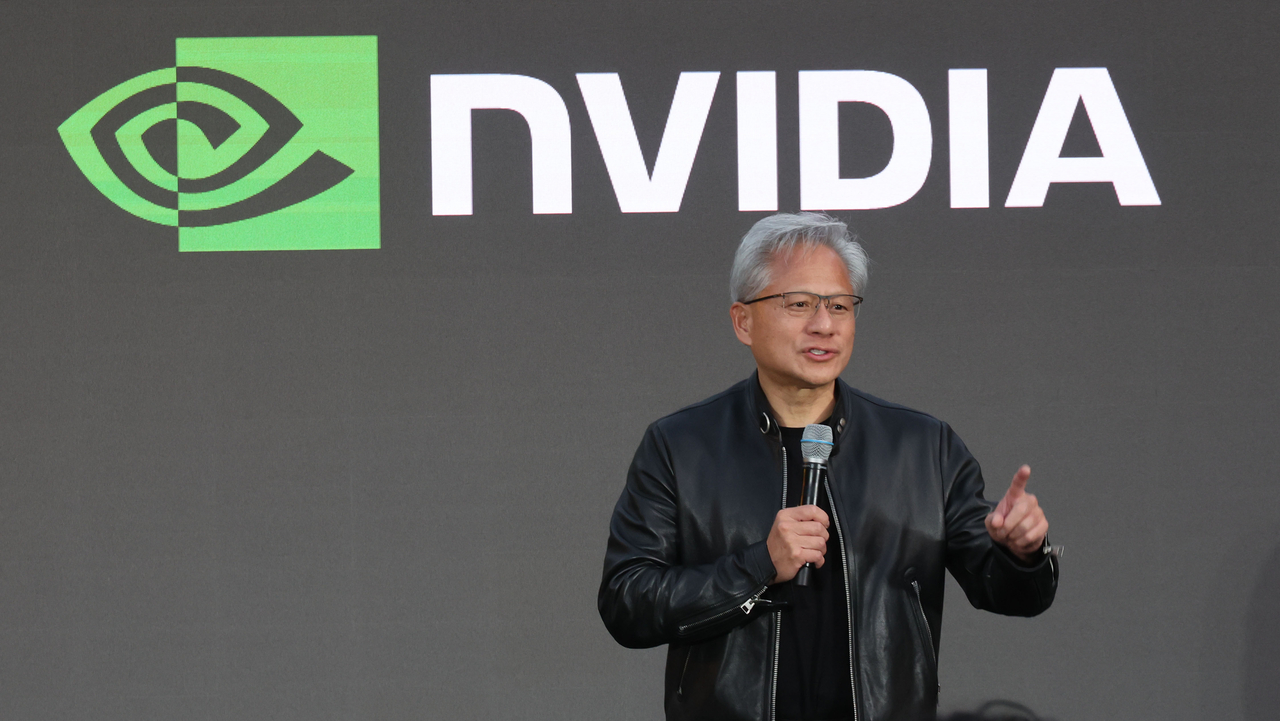
Corporate governance experts in the United States have leveled sharp criticism at Nvidia's board after it reversed course and reinstated CEO Jensen Huang just 11 days after unanimously accepting his resignation — a reversal that came following direct intervention by President Donald Trump. The episode has fueled a widening debate over whether the board of the world's largest AI chipmaker caved to political pressure rather than acting in the long-term interests of shareholders and the company, and whether it has ever been capable of holding its founder in check.
According to CNN, The New York Times and Axios on Monday (local time), criticism over the board's decision to bring Huang back has been mounting across American business and academic circles, with experts warning that the independence of corporate governance has been compromised.
Nvidia's board accepted Huang's resignation on Nov. 12 after an extramarital affair scandal and allegations of ties to Chinese intelligence agencies surfaced. But after Nvidia's share price plunged and calls for his return came from the White House and some shareholders, the board voted unanimously Monday to reinstate him as CEO.
At the center of the controversy is Trump's direct involvement. In a CNBC interview that day, Trump acknowledged that he had contacted Nvidia's board personally, saying, "I persuaded them and made it happen."
The revelation that a sitting president had directly influenced the appointment of a private company's chief executive has deepened questions about the board's independence. Critics say the board appeared to prioritize political demands over the long-term interests of shareholders and the company.
Charles Elson, a former professor at the University of Delaware, said the decision showed "the board has no conviction whatsoever." He added that it was "an act that abandons every principle accepted in corporate management and will ultimately harm the company and its shareholders."
Doug Chia, head of independent governance advisory firm Soundboard Governance, also said the decision was difficult to understand. "It's really bizarre. What is the board doing?" he said. "Wasn't this supposed to be a closed chapter?"
Analysts also raised the possibility that the Trump administration's intervention may have influenced the board's assessment of its own legal exposure.
Ann Lipton, a law professor at the University of Colorado Boulder, said the board was likely concerned that it could face legal liability if it failed to properly fulfill its oversight duties following Huang's scandal.
Lipton told The New York Times that "what the Trump administration did was give the board confidence that it would be legally protected." With the White House signaling no objection to Huang's return, the board may have judged its legal risk to be relatively low.
Concerns have also emerged that Huang's reinstatement could weaken the board's ability to oversee management going forward.
Peter Yavorski, a professor of business ethics at Georgetown University, said that Huang being indispensable "does not mean he should be exempt from accountability."
"If he can walk away from this without any consequences, how is the board ever going to control his behavior in the future?" Yavorski said.
The harshest criticism came from Jeffrey Sonnenfeld, a Yale University professor known as an adviser to CEOs.
Sonnenfeld called directly for the board's collective resignation — "every single one of them" — and described the episode as "a complete failure of corporate governance."
Sonnenfeld said the board should have placed Huang on temporary leave from the outset and conducted a proper investigation into the allegations, rather than accepting his full resignation outright. By accepting the resignation without adequate investigation and then reversing course within days, the board undermined the credibility of its own decision-making, he said.
The failure to develop a successor for Huang was also cited as a fundamental problem.
Nvidia has been led by Huang since he co-founded the company in 1993, and few dispute that he has been the driving force behind its rise into a global AI chipmaker. But critics say the company's excessive dependence on a single executive has become a structural vulnerability.
Sonnenfeld said Nvidia's board had failed to put a proper succession plan in place, leaving it in effect held hostage by Huang.
After Huang's resignation sent Nvidia's share price tumbling and fears of a leadership vacuum spread, some shareholders and employees called for his return. More than 10,000 current Nvidia employees signed an online petition urging his reinstatement.
On the day his return was announced, Nvidia's share price surged 31.5 percent and NASDAQ closed up 6.51 percent — a market verdict that welcomed the founder's comeback.
Yet the share price rally has done little to resolve the deeper question of whether the board can independently oversee management. With the Trump administration's involvement still under scrutiny and investigations into national security allegations surrounding Huang expected to continue, the debate over Nvidia's corporate governance is unlikely to fade for now.
sjy@heraldcorp.com