SK On exclusively supplies batteries for Ioniq 5
NCM batteries produced at SKBA in Georgia
Hyundai Motor ramps up Waymo robotaxi deliveries
Up to 50,000 vehicles seen supplied by 2028
Robotaxi demand expected to lift US plant utilization
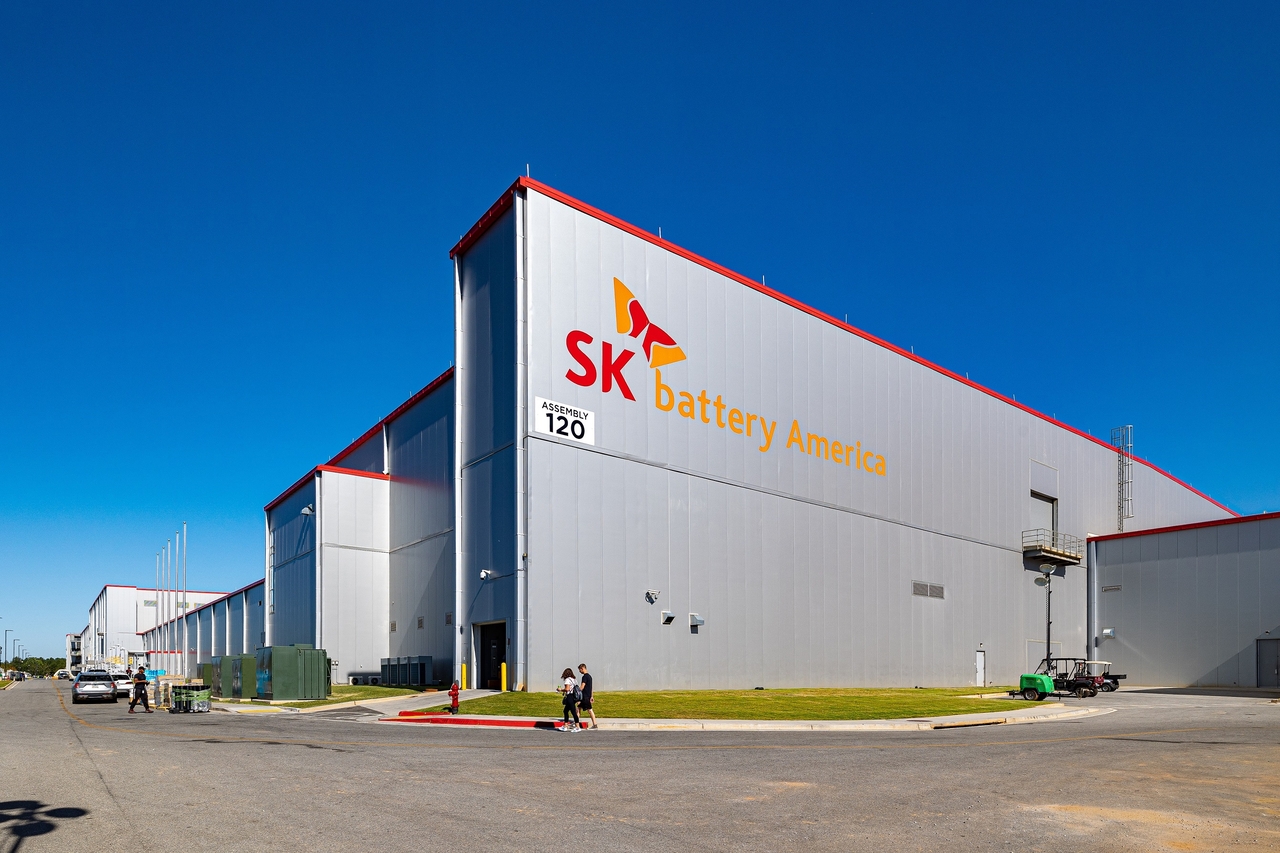
SK On is finding new growth opportunities in the expanding robotaxi market, leveraging the battery production network it has built across the United States. As robotaxis emerge as a significant new business-to-business demand source in the electric vehicle sector, the company's US factory utilization rates are expected to rebound next year.
According to industry sources, SK On began mass-producing nickel-cobalt-manganese, or NCM, batteries for Hyundai Motor at SK Battery America in Georgia in October 2024. Since then, it has been the exclusive battery supplier for the Ioniq 5 produced at Hyundai Motor Group Metaplant America.
The Ioniq 5 is one of the key models in SK On's US battery business. Because all batteries installed in locally produced vehicles are manufactured at SK Battery America, the Ioniq 5's sales performance is directly tied to SK On's battery demand in the country.
Recent sales of the Ioniq 5 from Hyundai Motor Group Metaplant America have been sluggish, however. Sales of the model from January through October this year came to 27,467 units, down 38 percent from the same period last year.
SK On operates two plants at SK Battery America — Plant 1 with a capacity of 10.3 gigawatt-hours and Plant 2 with 11.7 gigawatt-hours — giving it a combined annual production capacity of 22 gigawatt-hours. In June, it also began operating HSBMA, a joint venture factory established with Hyundai Motor Group. HSBMA has an annual capacity of 35 gigawatt-hours and handles battery production for the Ioniq 9.
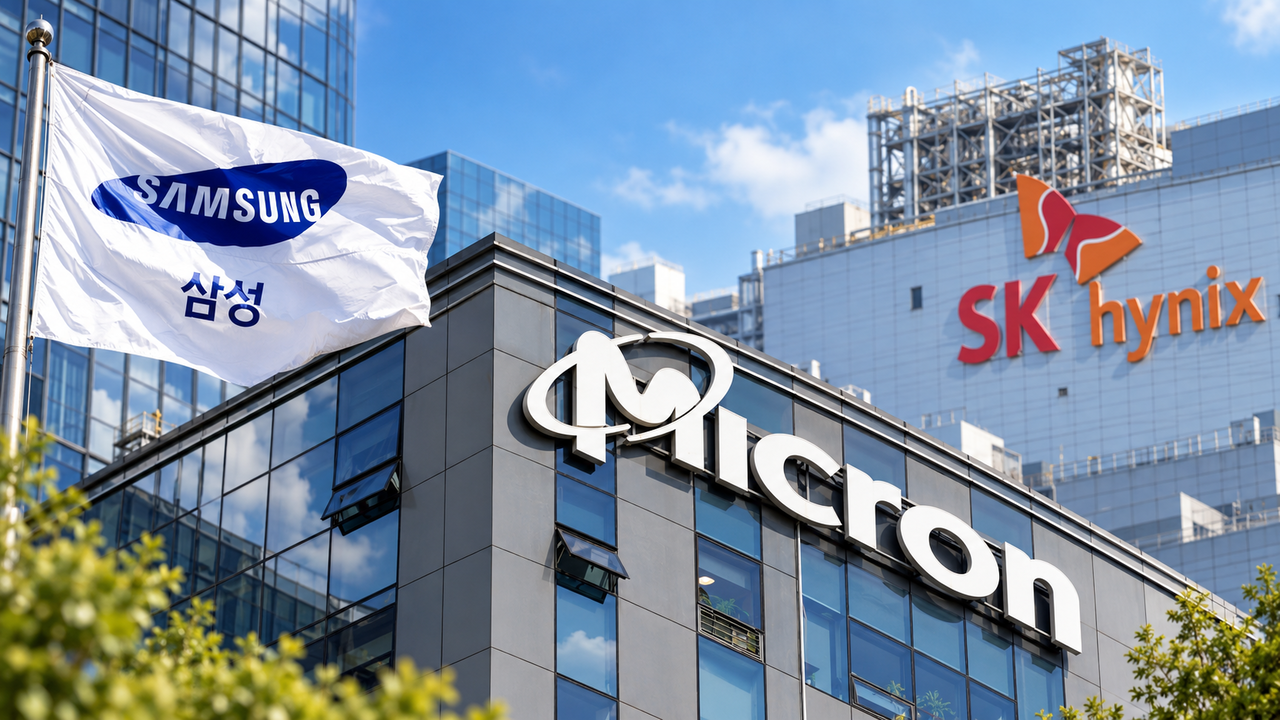
Securing new demand to offset weakness in the North American electric vehicle market has become urgent for SK On. The company's average battery factory utilization rate at home and abroad came to just 36.4 percent in the first nine months of this year, down 12.3 percentage points from the full-year average last year.
The slump in North America has been particularly severe. According to market research firm SNE Research, SK On's battery usage in North American electric vehicles plunged 46.7 percent in the first nine months of this year compared with the same period a year earlier — a stark contrast to the 2.2 percent decline recorded in Europe over the same period. SK On has been converting some of its electric vehicle battery production lines to energy storage system, or ESS, use, but electric vehicles remain its core market.
Amid this backdrop, Hyundai Motor's push into the robotaxi business is emerging as welcome news for SK On's US production facilities.
Hyundai Motor is ramping up deliveries of Ioniq 5-based robotaxis to Waymo, the autonomous driving company owned by Google. At the "Silicon Valley and the World" event held in California on Nov. 17 (local time), Hyundai Motor CEO Jose Munoz said in response to a question about the progress of the Waymo partnership: "The partnership has already started, and we plan to deliver vehicles to Waymo this month."
"It will not only be supplied to the US market — exports overseas will also take place," Munoz added. "It will be a significant volume, and this is just the beginning."
Hyundai Motor and Waymo signed a multi-year strategic partnership in October 2024. Under the arrangement, Hyundai Motor produces the Ioniq 5 at Hyundai Motor Group Metaplant America in the US, and Waymo equips the vehicles with its sixth-generation fully autonomous driving technology, the Waymo Driver.
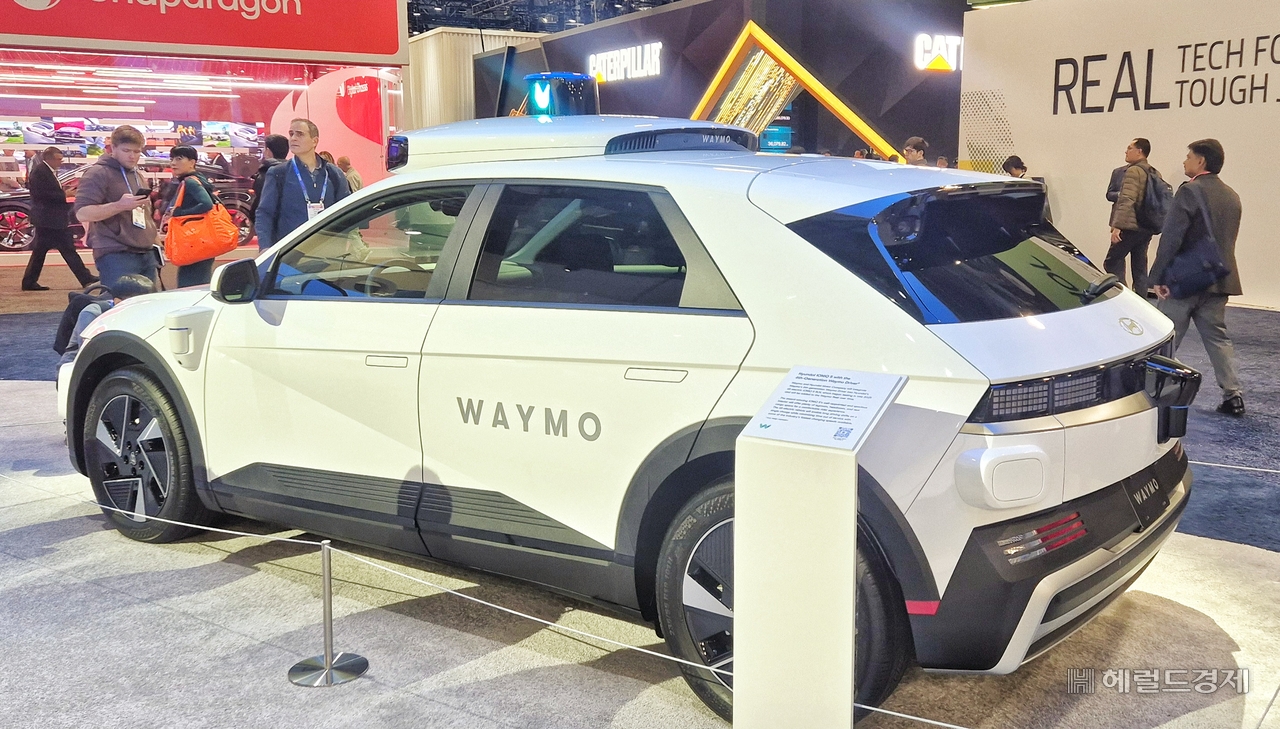
The market is also buzzing about the potential for large-scale supply. Some foreign media reports suggest Hyundai Motor could deliver up to 50,000 Ioniq 5 robotaxis to Waymo by 2028.
If that projection materializes, the resulting battery demand could be substantial. The Ioniq 5 supplied to Waymo is equipped with an 84-kilowatt-hour battery. That works out to roughly 0.84 gigawatt-hours of battery capacity per 10,000 vehicles — meaning 50,000 vehicles would require a total of 4.2 gigawatt-hours.
Robotaxis represent a new market capable of generating large-scale vehicle demand as autonomous driving service companies expand their operations. As service areas grow, so does the need for new vehicles, and replacement demand for existing fleets could follow.
As of September, Waymo was operating its robotaxi service in 15 US cities, with weekly paid rides reaching about 500,000. Goldman Sachs Research projects the global commercial robotaxi fleet will grow from about 7,000 vehicles last year to about 1 million by 2030 and about 6 million by 2035.
Hyundai Motor's expanded robotaxi supply could give SK On not only higher battery shipments but also an opportunity to improve utilization at its US production facilities. Eligible battery cells produced and sold in the United States can qualify for an Advanced Manufacturing Production Credit of up to $35 per kilowatt-hour, offering the potential for additional profitability gains.
"The commercialization of robotaxis is creating new business-to-business demand for automakers," an industry official said. "Hyundai Motor's expanded vehicle supply is expected to have a positive effect on improving SK On's US factory utilization rates."

kwater@heraldcorp.com