
A three-month survey of more than 91,000 small-amount delinquents collected 380 million won; those facing financial hardship were referred to welfare services
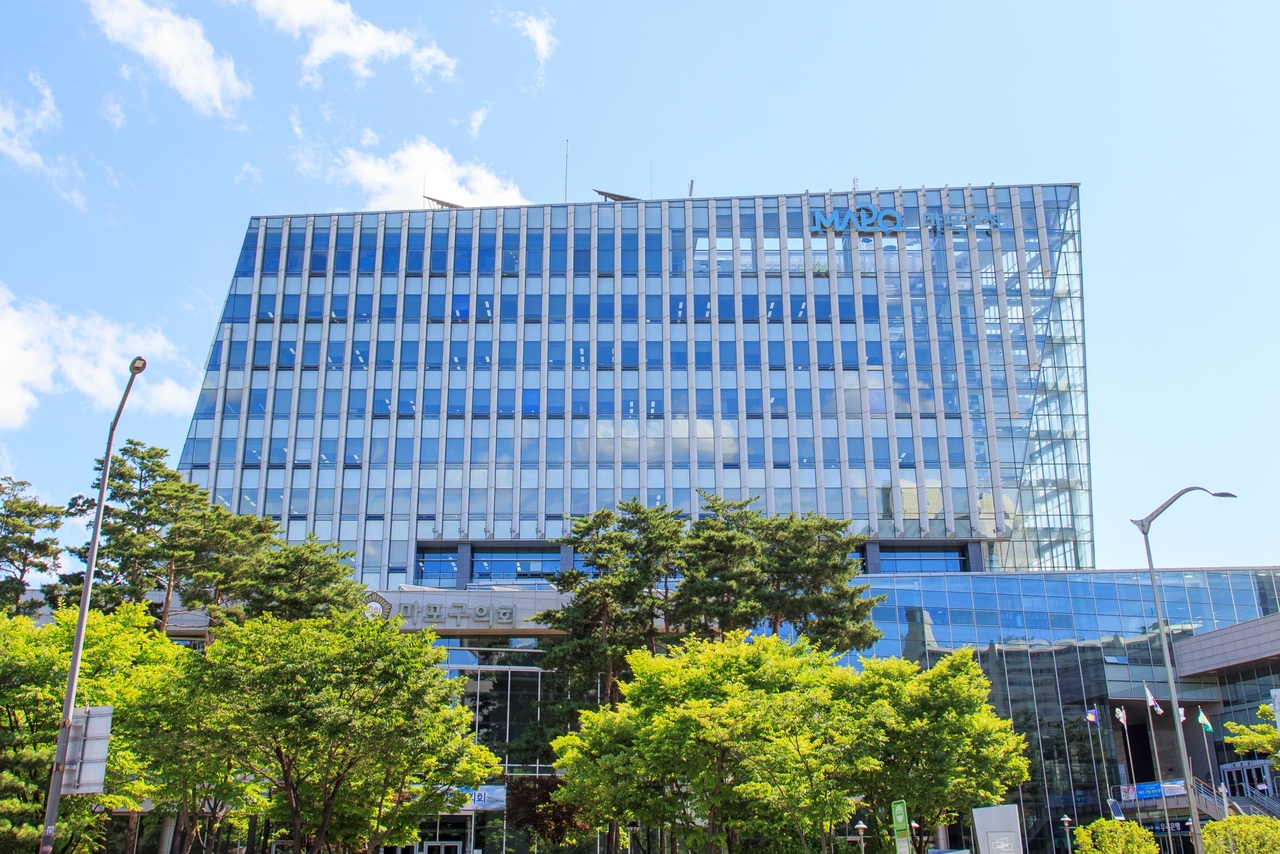
Mapo-gu said its local tax delinquency management unit, launched Aug. 3, collected 380 million won ($282,000) in overdue local taxes and non-tax revenue after conducting a three-month survey of more than 91,000 small-amount delinquents through Oct. 31.
The unit is a field-focused organization that contacts delinquents by phone and visits them in person to determine why they fell behind, assess their ability to pay, and guide them toward a payment method suited to their circumstances.
Staff first call delinquents to inform them of the outstanding amount and gauge their willingness to pay. When necessary, they follow up with in-person visits to residences and workplaces to assess living conditions and assets.
Residents who were unaware of a small overdue balance are informed of the details, while those temporarily unable to pay in full are offered installment options and other arrangements to encourage voluntary settlement.
When collection is not feasible — because a delinquent has no assets or cannot be located — the unit pursues appropriate follow-up measures, such as placing the case in a deferred-collection category, based on the findings of its field survey.
The unit's work extends beyond collecting overdue taxes: staff also pay close attention to residents' living situations. When investigators encounter someone facing financial hardship or in need of welfare support, they connect that person with the relevant district departments and help them access available services. In this way, the tax-collection process doubles as a means of identifying residents who have fallen through the welfare safety net.
The district will operate the unit through Monday. During the remaining period, collection activities will continue with each delinquent's financial situation and ability to pay taken into account, and residents in need will be referred to welfare services — with the aim of both boosting revenue and supporting residents' livelihoods.
"Even in tax collection, we need the sensitivity to consider each resident's individual circumstances," Mapo-gu District Mayor Yoo Dong-gyun said. "We will continue to manage our residents' hard-earned tax money fairly and make sure no neighbor in difficulty is overlooked."
seouldream01@heraldcorp.com





