2018 pre-release single marking god's 20th anniversary
Winter ballad co-written by Kim Tae-woo
BIGBANG tour opener tops performance royalty chart
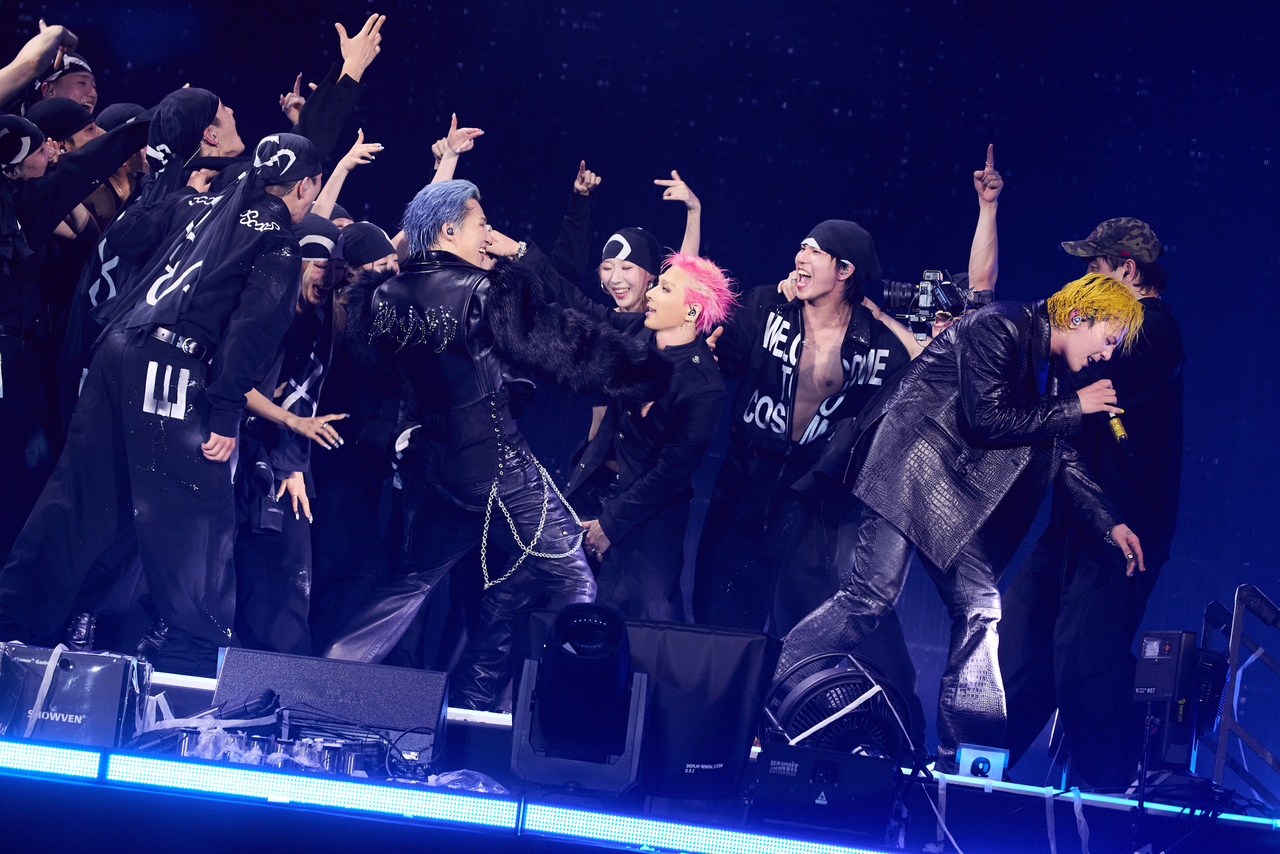
"Noon-i Naerinda" (Snow Is Falling), a winter ballad released by the group god around the first snowfall of 2018, topped the chart for October music royalty growth, with royalties jumping roughly 80-fold from the previous month.
According to October royalty settlement data released Tuesday by Musicow, a music investment platform, the per-share royalty on the music securities for "Noon-i Naerinda" rose about 80 times compared with September, ranking first overall in royalty growth.
Looking at performance royalties alone, BIGBANG's "Hands Up" ranked first and "Noon-i Naerinda" came in second. god's "Norae Bulleojwoyo" (feat. IU), BIGBANG's "Tonight" and god's "Haneulsaek Yaksok" (Sky Blue Promise) rounded out third through fifth place. Six of the top 10 songs by combined royalty growth — covering streaming, reproduction, broadcast and performance — belonged to the two acts.
"Noon-i Naerinda" was released as a digital single on Nov. 27, 2018, ahead of god's 20th debut anniversary. It was the group's first new song in three years since "Utpeun Haru" in 2015, and was later included on the 20th-anniversary special album "Then & Now," released Jan. 10 the following year. Kim Tae-woo contributed to both the lyrics and composition. The song captures the feeling of missing someone who has left whenever winter returns, and was unveiled ahead of the group's year-end concert that same year.
In the music industry, when a song is performed at a concert, the event organizer pays a music usage fee based on ticket sales. The copyright trust organization then distributes the proceeds to the lyricists and composers of each song performed that day. Under domestic trust organization collection rules, the concert usage fee is calculated as ticket sales multiplied by 3 percent, multiplied by the music copyright management ratio. When a song appears on the setlist of a stadium concert drawing tens of thousands of fans, its monthly royalties — normally negligible from live performances — can multiply dozens of times over.
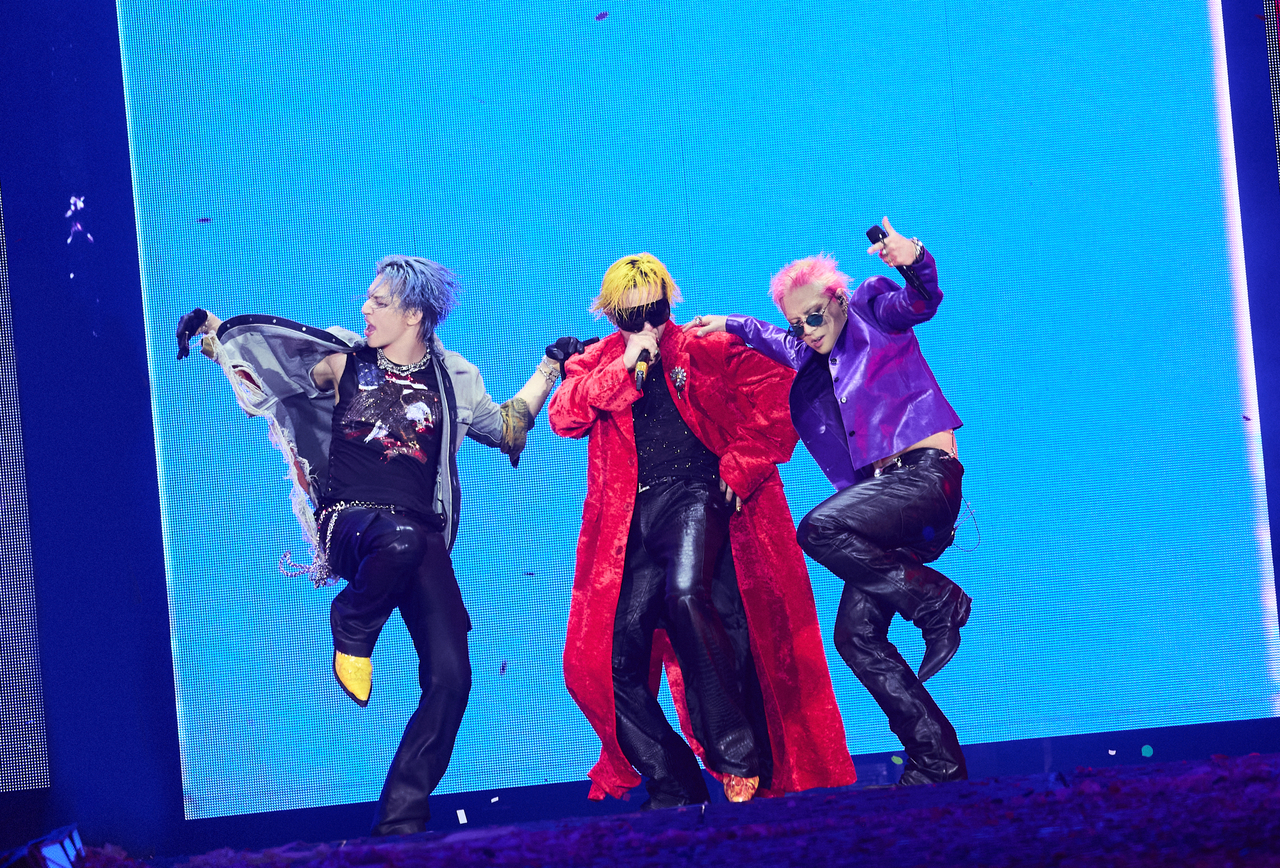
A large multiplier does not necessarily mean a large sum, however. "Make Love" by Taeyang, whose world tour wrapped in February last year, saw its per-share performance royalty rise more than 200 times from the previous month in the April settlement — but the actual amount came to just 1,124 won.
The strong showing by BIGBANG and god in Musicow's data reflects the two acts' busy concert schedules. BIGBANG kicked off their 20th-anniversary world tour at Goyang Sports Complex Main Stadium in Gyeonggi Province from Aug. 21 to 23. The opening number was "Fantastic Baby," followed by "Hands Up" and "Tonight" as the second and third songs. Both tracks appeared on the 2011 mini-album "Tonight." The current tour — the first time three members have performed together in nine years since the 2017 "Last Dance" tour — spans 33 shows across 19 cities worldwide.
god marked their 10,000th day since debut this year. Having debuted on Jan. 13, 1999, with "Eomeonim-kke" (To My Mother), the group held a "Sky Blue Balloon Week" event at Everland in Yongin, Gyeonggi Province around their 10,000th day on May 30, including anniversary concerts on May 29 and 30. At the "Sustainable Wave Festival 2026" held at Incheon Munhak Stadium Main Stadium from Aug. 29 to 30, god closed both days as the final act. The group has held full-lineup year-end concerts every year since "god ON" in 2022; last December they performed five times at KSPO Dome in Seoul and BEXCO in Busan. "Norae Bulleojwoyo" and "Haneulsaek Yaksok," which also ranked high in performance royalty growth, are songs from god's eighth album "Chapter 8," released in 2014 when the full lineup reunited.
Live performances are a growing source of royalty income. Performance usage fees collected by the Korea Music Copyright Association from concerts, noraebang and in-store music reached 54.8 billion won ($40.7 million) in 2024, up 8.1 percent from 50.7 billion won the previous year, and grew to around 60 billion won last year. Past royalty performance does not guarantee future returns, however. Music revenue securities are a product in which investors can lose their entire principal depending on price fluctuations.
"The economic value of music does not stop at the commercial success it achieves at the time of release," a Musicow official said. "These settlement results show that even songs released long ago can see their earnings grow again through an artist's continued performances and new opportunities for consumption."
shee@heraldcorp.com