
Material data from 31 green biotech firms to be shared with cosmetics companies
Joint material and product development to receive government support
Nine industrialization facilities to be built; 45.2 billion won in R&D funding pledged through 2030
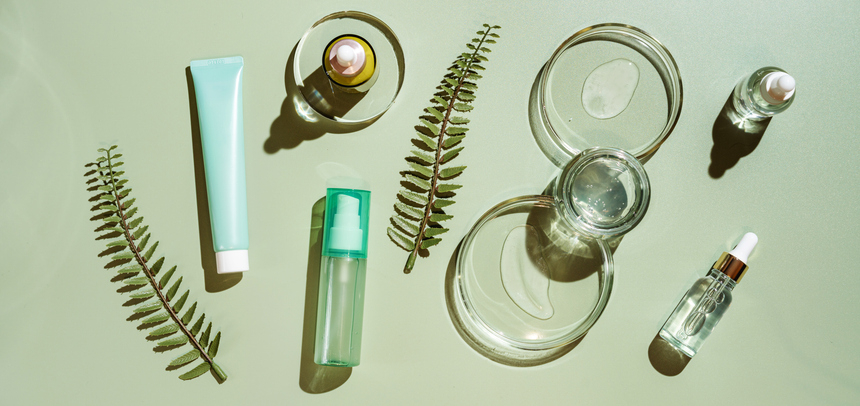
The government plans to expand the use of green biotech materials derived from agricultural and biological resources beyond food into cosmetics. The initiative aims to accelerate commercialization by sharing new materials developed by domestic green biotech companies with cosmetics firms and supporting the entire process — from joint product development and efficacy verification to mass production.
South Korea's Ministry of Agriculture, Food and Rural Affairs announced the plan Wednesday at the Namwon Bioindustry Research Institute in North Jeolla Province, unveiling its strategy for revitalizing the green biotech materials industry in connection with K-beauty. About 50 people attended the event, including representatives from three cosmetics companies — among them Amorepacific — 19 green biotech firms, the Korea Cosmetic Association and the Korea Agency of Education, Promotion and Information Service in Food, Agriculture, Forestry and Fisheries.
The ministry had drawn up its first basic plan for fostering the green biotech industry (2027–2031) in July, aiming to broaden the sector's focus from conventional food products to high-value areas such as functional foods, pharmaceuticals and cosmetics materials.
To help cosmetics companies more easily identify new domestic green biotech materials, the government has established an information-sharing system. Starting Wednesday, material and ingredient data held by 31 green biotech companies will be made available through the agency's website, covering manufacturing processes, indicator compounds, specifications, and information on efficacy and safety.
The government will also support joint material development, product commercialization and efficacy evaluation between companies — backing collaboration from technology development through to commercialization so that new materials created by green biotech firms can be adopted as cosmetics ingredients.
Infrastructure for quality standardization and mass production will also be expanded. The government is building five natural-material standardization hubs covering the full production cycle and four green biotech material industrialization facilities. To help companies overcome technical hurdles during the commercialization process, it will also fund an advanced biotech research and development program worth 45.2 billion won ($33.6 million) from 2026 through 2030.
The event also featured case studies of food materials successfully commercialized as cosmetics ingredients. Amorepacific presented recent cosmetics product trends and its progress in securing a foothold in global markets. Mycogenics, which operates the cosmetics brand Cellolab, shared its experience commercializing food-derived materials as cosmetics ingredients.
Participating companies agreed that bringing new green biotech materials into cosmetics products would require support in sharing material data, demonstrating efficacy and verifying safety. They also discussed ways to share technical information, conduct testing and verification, and pursue joint product development across companies.
"For Korea's cosmetics industry to sustain its growth in global markets, securing high-quality raw materials and ingredients to underpin finished products is just as important as the competitiveness of those products themselves," said Kim Jeong-uk, director general for agricultural industry innovation policy at the ministry. "We will actively support collaboration between companies so that the innovative technologies and materials held by domestic green biotech firms can lead to product development and commercialization by cosmetics companies."
adastra@heraldcorp.com





