
Variable-rate mortgages at 4.9%; fixed-rate at 5.13%
Credit loan rates dip 0.06 percentage points on lower add-on margins
Deposit-loan rate gap narrows 0.1 percentage points to 1.02 percentage points
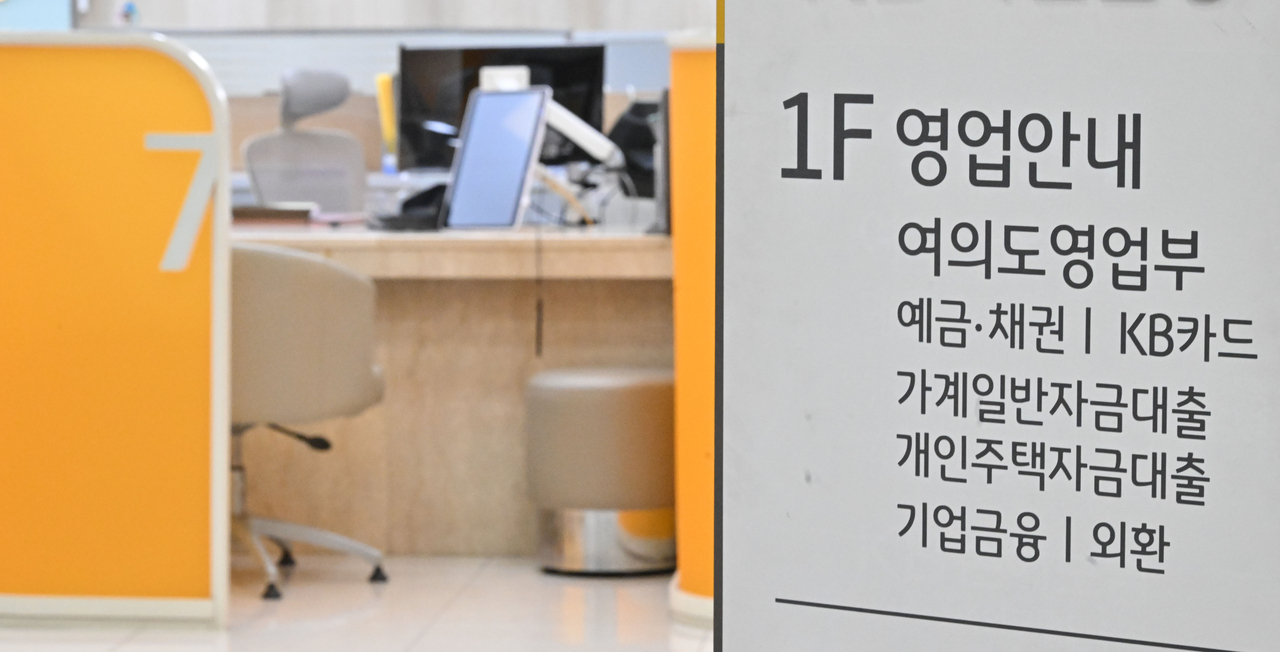
Bank household loan rates climbed back above 5 percent in October for the first time in nearly three years, with variable-rate mortgage rates reaching their highest level in 14 years and seven months.
According to the Bank of Korea's weighted average interest rate statistics released Wednesday, the weighted average rate on new household loans at deposit-taking banks rose 0.06 percentage points from the previous month to 5.02 percent per annum in October. The increase was driven primarily by rising rates on variable-rate mortgages and guaranteed loans.
The last time household loan rates exceeded 5 percent annually was November 2023, when they stood at 5.04 percent — making this the first breach of that threshold in two years and 11 months.
Mortgage rates rose 0.1 percentage points from the previous month to 4.98 percent. Rates have climbed for six consecutive months since May, when they stood at 4.32 percent, and are now at their highest since March 2012, when they hit 5 percent.
Fixed-rate mortgages rose 0.02 percentage points to 5.13 percent, marking 13 consecutive months of increases since October last year, when the rate was 3.97 percent. Variable-rate mortgages climbed 0.14 percentage points to 4.9 percent, rising for five consecutive months since June, when they stood at 4.27 percent.
The share of fixed-rate mortgages expanded 3.9 percentage points to 38.1 percent from 34.2 percent the previous month, as the steeper rise in variable rates pushed more borrowers toward fixed-rate products.
Kim Seong-jun, head of the Bank of Korea's financial statistics team, said the rise in variable rates reflected an increase in short-term market rates. "Fixed-rate mortgages tend to track long-term market rates such as five-year bank bonds, while variable-rate mortgages tend to track short-term rates," Kim said. "In October, short-term rates rose while long-term rates fell."
Jeonse loan rates rose 0.06 percentage points to 4.63 percent, while guaranteed loan rates climbed 0.11 percentage points to 4.56 percent.
General credit loan rates fell 0.06 percentage points from the previous month to 6.43 percent, reversing a rising trend that had persisted since June, when they stood at 5.72 percent. Kim said the decline came despite a rise in short-term bank bond rates, as some banks lowered the add-on margins they had previously raised.
Corporate loan rates rose 0.06 percentage points from the previous month to 4.55 percent in October, with rates for both large companies and small and medium-sized enterprises moving higher on the back of rising short-term market rates. Large-company loan rates climbed 0.08 percentage points to 4.45 percent, while rates for small and medium-sized enterprises rose 0.02 percentage points to 4.65 percent.
With both household and corporate loan rates rising, the overall bank lending rate increased 0.07 percentage points to 4.64 percent.
The rate on new savings deposits at banks rose 0.17 percentage points from the previous month to 3.62 percent per annum in October, reflecting the upward trend in market rates.
Rates on pure savings deposits such as time deposits rose 0.17 percentage points to 3.56 percent, while rates on market-linked instruments such as bank bonds and certificates of deposit climbed 0.14 percentage points to 3.83 percent.
The spread between new lending and deposit rates at banks narrowed 0.1 percentage points from the previous month to 1.02 percentage points. The spread based on outstanding balances fell 0.01 percentage points to 2.2 percentage points.
Deposit rates at non-bank financial institutions — based on one-year time deposits — rose across the board: mutual savings banks gained 0.09 percentage points to 3.9 percent, credit unions rose 0.05 percentage points to 3.74 percent, mutual finance cooperatives climbed 0.08 percentage points to 3.52 percent, and saemaul credit unions advanced 0.09 percentage points to 3.71 percent.
Lending rates rose at mutual savings banks, up 0.35 percentage points to 10.15 percent; credit unions, up 0.05 percentage points to 5.3 percent; and saemaul credit unions, up 0.15 percentage points to 5.12 percent. Mutual finance cooperatives were the sole exception, with their lending rate slipping 0.04 percentage points to 5.05 percent.

kimstar@heraldcorp.com





