EU proposes 22nd sanctions package banning citizens from serving on boards of Russian private firms
Schröder joined HyperGlobus board in late September; sanctions expansion puts role at risk
After resigning from Rosneft in 2022, former chancellor now faces second forced exit from Russian business
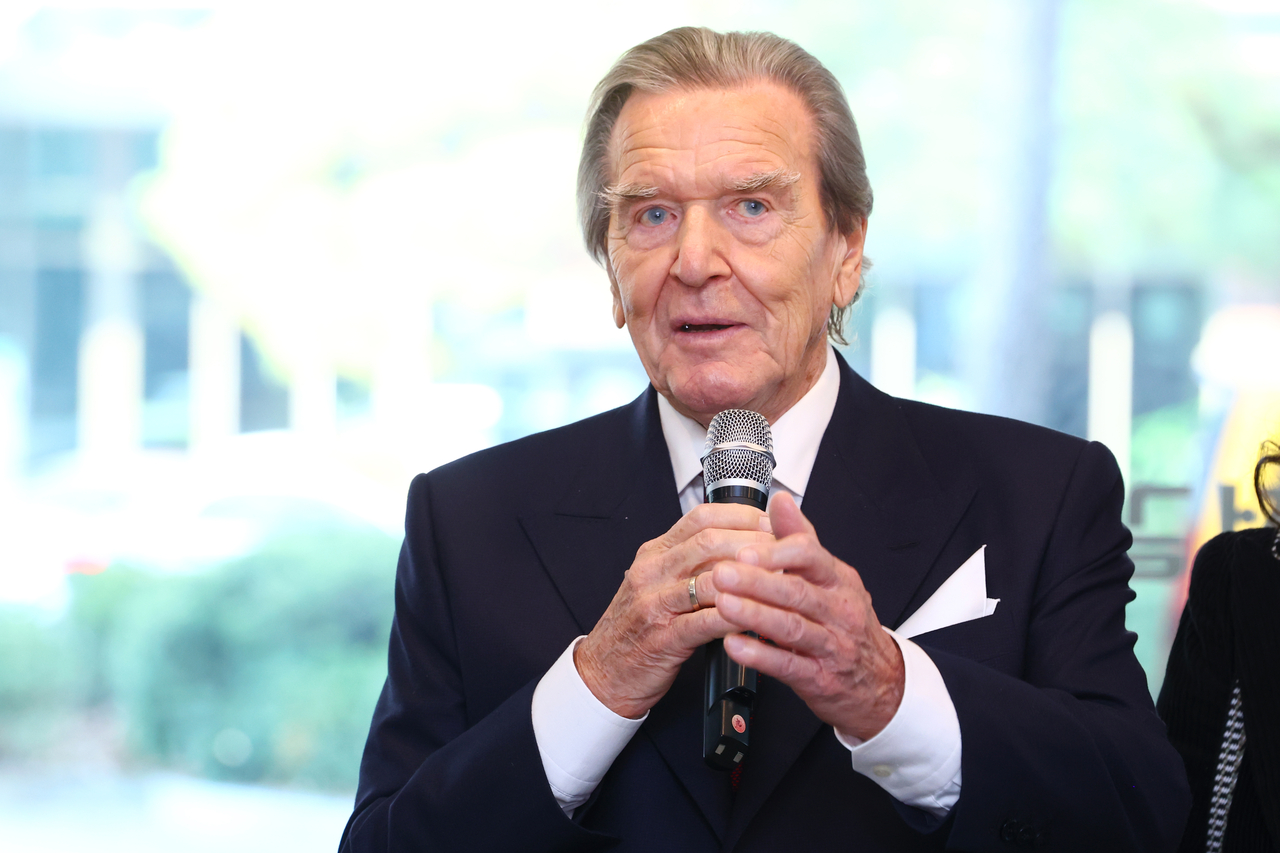
Former German Chancellor Gerhard Schröder, who has continued his pro-Russia activities by recently joining the board of a Russian retailer, now faces losing the position just two months after taking it as the EU moves to expand its sanctions against Russia.
German business daily Handelsblatt reported Wednesday (local time) that Schröder faces the prospect of losing his job as a result of the EU's proposed 22nd package of sanctions against Russia.
The European Commission announced the 22nd sanctions package on Monday, which would ban EU citizens from serving on the boards or other governing bodies of Russian companies. The proposal significantly expands a prohibition introduced in October 2022 that had been limited to Russian state-owned enterprises, extending it to private-sector firms as well.
Handelsblatt said the sanctions, if finalized, would deal a direct blow to prominent European figures currently holding management positions at Russian companies. Those named as likely to be affected include Schröder, a board member at Russian retailer HyperGlobus; Volker Schaar of Germany, the company's chief executive; Bernard Zonneveld of the Netherlands, chairman of the board at Russian aluminum producer Rusal; and Gerechy Laszlo of Hungary, a board member at oil company Tatneft.
HyperGlobus, where Schröder holds his board seat, is a Russian supermarket chain that was formerly part of German retailer Globus before being spun off from its parent company in January last year. Schröder joined its board on Sept. 30, but barely two months later finds himself on the verge of being forced out as the EU's sanctions net extends into the private sector.
Schröder served as German chancellor from 1998 to 2008 and during his tenure championed the Nord Stream natural gas pipeline project, forging close energy ties between the two countries. In the process, he developed a personal friendship with Russian President Vladimir Putin and went on to hold senior positions at Russian state energy firms after leaving office.
Even after Russia's invasion of Ukraine in February 2022, Schröder held on for a time as chairman of the board at state oil company Rosneft before resigning under intense public pressure. The fallout left him branded in Germany as a pro-Russia, pro-Putin figure; he was stripped of the privileges accorded to former chancellors and faced expulsion from his own party, the Social Democratic Party.
Schröder has nonetheless refused to back down from his position that restoring ties with Russia is necessary, arguing that it is a former German chancellor's duty to attempt mediation between Russia and Ukraine. When he joined the HyperGlobus board, he justified the move by saying it was important for companies like HyperGlobus to maintain economic relations and make efforts to invest in Russia.
silverpaper@heraldcorp.com