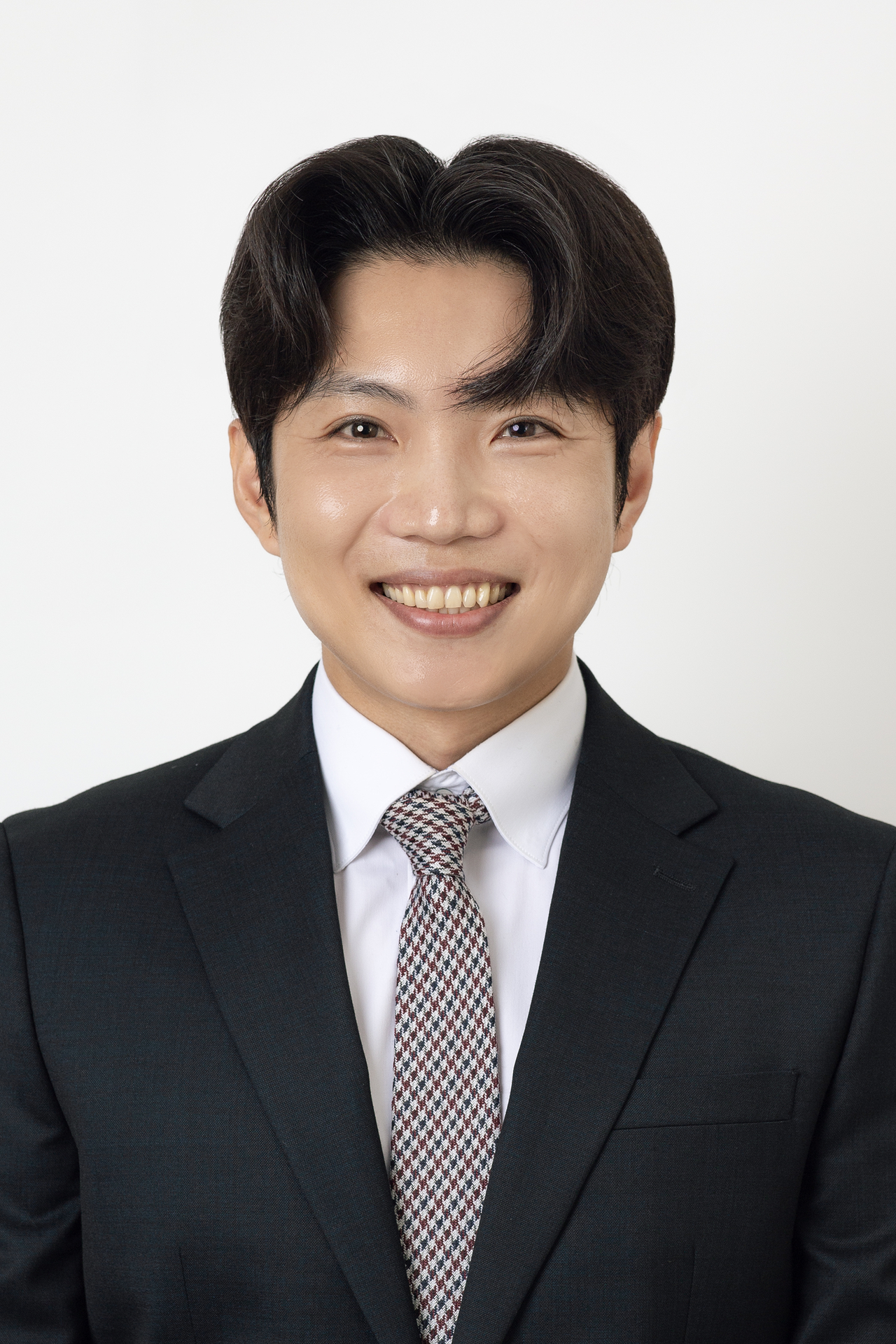
Jung Eul-gyun of Tax Division 1 named top honoree among six Yongsan-gu civil servants recognized for the second half of 2026; three others receive excellence awards and two receive encouragement awards
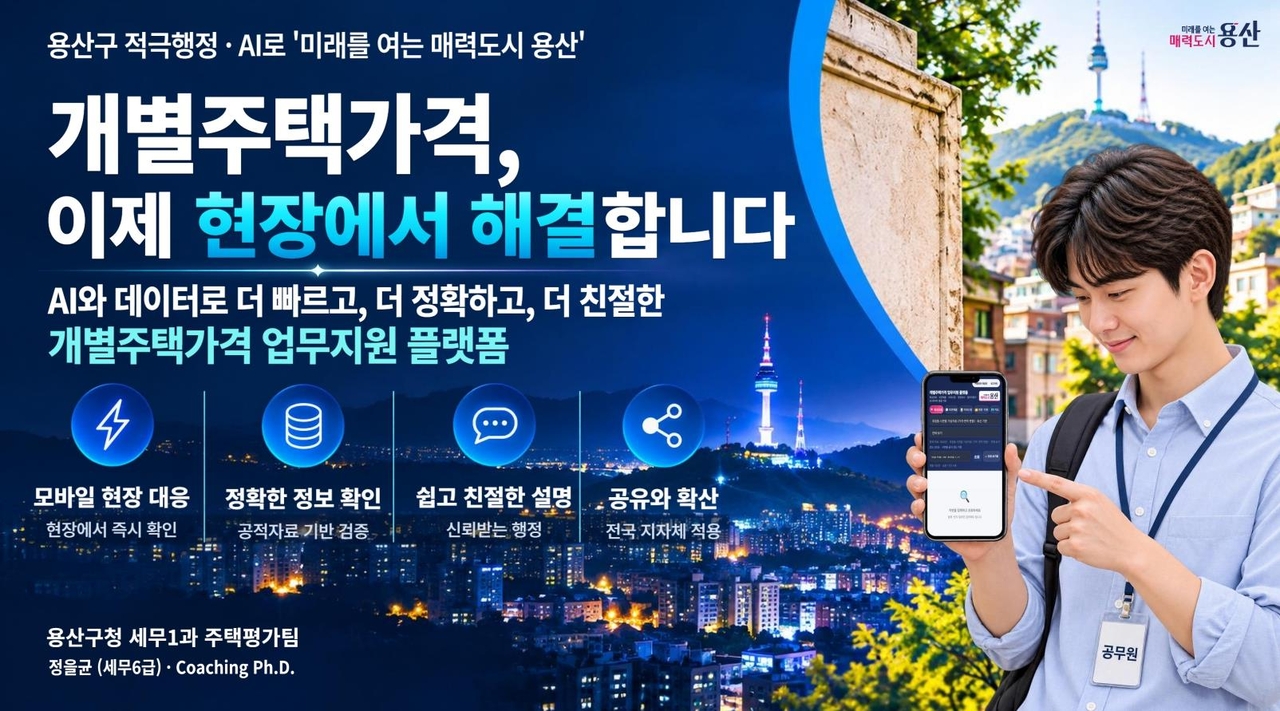
Seoul's Yongsan-gu has named six civil servants as outstanding "proactive administration" honorees for the second half of 2026, recognizing staff who improved public services through AI and field-centered work. The honorees developed a work platform without a separate budget and addressed safety blind spots, delivering changes residents could feel firsthand.
Yongsan-gu announced it had selected Jung Eul-gyun of Tax Division 1 as the top honoree, with Cha Won-gyeong of the Autonomous Administration Division, Park Se-eun of Hannam-dong and Lee Mi-gyeong of the Employment Policy Division receiving excellence awards, and Han Sang-ho of the Housing Division and Moon Seon-gyeong of the Architecture Division receiving encouragement awards.
Jung, the top honoree, used AI-assisted conversational coding to independently develop a web platform supporting individual residential property price assessments. Under the previous system, field staff had to print and carry multiple documents, and a desktop-only program made it difficult to compare property information or confirm locations on site.
Jung built the platform at no additional cost using ChatGPT and Firebase. The system allows users to look up information on 12,459 individual homes and 979 standard homes from both smartphones and computers, and includes features for comparing up to 10 properties at once, map-based location verification, complaint record management and optimized routing for field visits. The platform has improved the speed of on-site consultations and work efficiency, and has laid the groundwork for adoption by other local governments.
Cha Won-gyeong established an AI-powered elevator safety management system using motion-detection technology. Moving away from the previous approach of reviewing CCTV footage after the fact, the new system immediately alerts managers when an anomaly occurs and enables real-time monitoring and remote video calls. Through a partnership with a private company, Cha secured free installation and maintenance support worth about 11 million won ($8,190), bringing in four types of devices including AI motion-detection cameras. In a satisfaction survey conducted in October, 92 percent of residents expressed overall satisfaction and 90 percent said the system should be expanded.
Park Se-eun independently built a smart neighborhood unit system for Hannam-dong using generative AI and mapping tools. The project reorganized the area's 38 neighborhoods and 282 sub-units into 29 neighborhoods and 133 sub-units, and set detailed boundaries for 5,426 parcels, reducing manual work and improving efficiency throughout. Developed without outside contractors, the system saved budget and was designed to support resident registration, neighborhood adjustments, unit leader activities and management of vulnerable households.
Lee Mi-gyeong improved the way youth policies are promoted by running a participatory pop-up store. Using space near Yongsan Station and securing city funding through a Seoul Metropolitan Government grant program, Lee collaborated with four organizations to expand the project budget from 10 million won to 25 million won. An experiential program comparing life stages to a subway map, along with personalized consultations, yielded an overall event satisfaction rate of 92.5 percent and a consultation satisfaction rate of 88.1 percent. Positive awareness of youth policies also rose from 22.3 percent before the event to 85.2 percent.
Han Sang-ho, one of the encouragement award recipients, took preemptive safety measures to address risks of collapse, rockfall and debris from an aging unauthorized structure in Garwol-dong. Han secured 37.5 million won in city funding through a Seoul Metropolitan Government support project and used it to reinforce fence supports, install exterior restroom supports and fall-prevention netting, and put up debris deflection barriers on the outer wall.
Moon Seon-gyeong cleared redundant and aging facilities along Sowol-gil and created two rest areas — Sodam Shelter and Soyo Shelter — reflecting the needs of users. Moon improved pedestrian access and amenities around nearby bus stops and incorporated views of the surrounding environment, providing a place for residents and visitors to rest.
A total of 11 cases were submitted for this round through departmental and public nominations in September and October. The district verified the submissions, held a staff vote and conducted a review panel before the Proactive Administration Committee made its final selections through deliberation and a vote on Nov. 17. Unlike the first-half process, the number of honorees per award tier was not set in advance, and individuals and teams were evaluated under the same criteria, with particular attention paid to whether each case fit the spirit and categories of proactive administration.
The honorees will receive benefits including the highest grade of performance bonuses, prize money, commendation leave, and priority placement for overseas training programs and resort facilities. Awards will be presented at the year-end closing ceremony.
Yongsan-gu District Mayor Kim Gyeong-dae said the efforts of staff who spotted small inconveniences and safety blind spots in the field and devised creative solutions were translating into changes that residents could feel. "We will continue to actively support proactive, resident-centered administration so that it takes root across the entire organization," Kim said.
seouldream01@heraldcorp.com