S&P 500 down more than 10% from peak; all eyes on year-end consumer spending
About 182.7 million shoppers expected from Thanksgiving through Cyber Monday
Retail stocks in focus as high prices and rate fears test consumer resilience
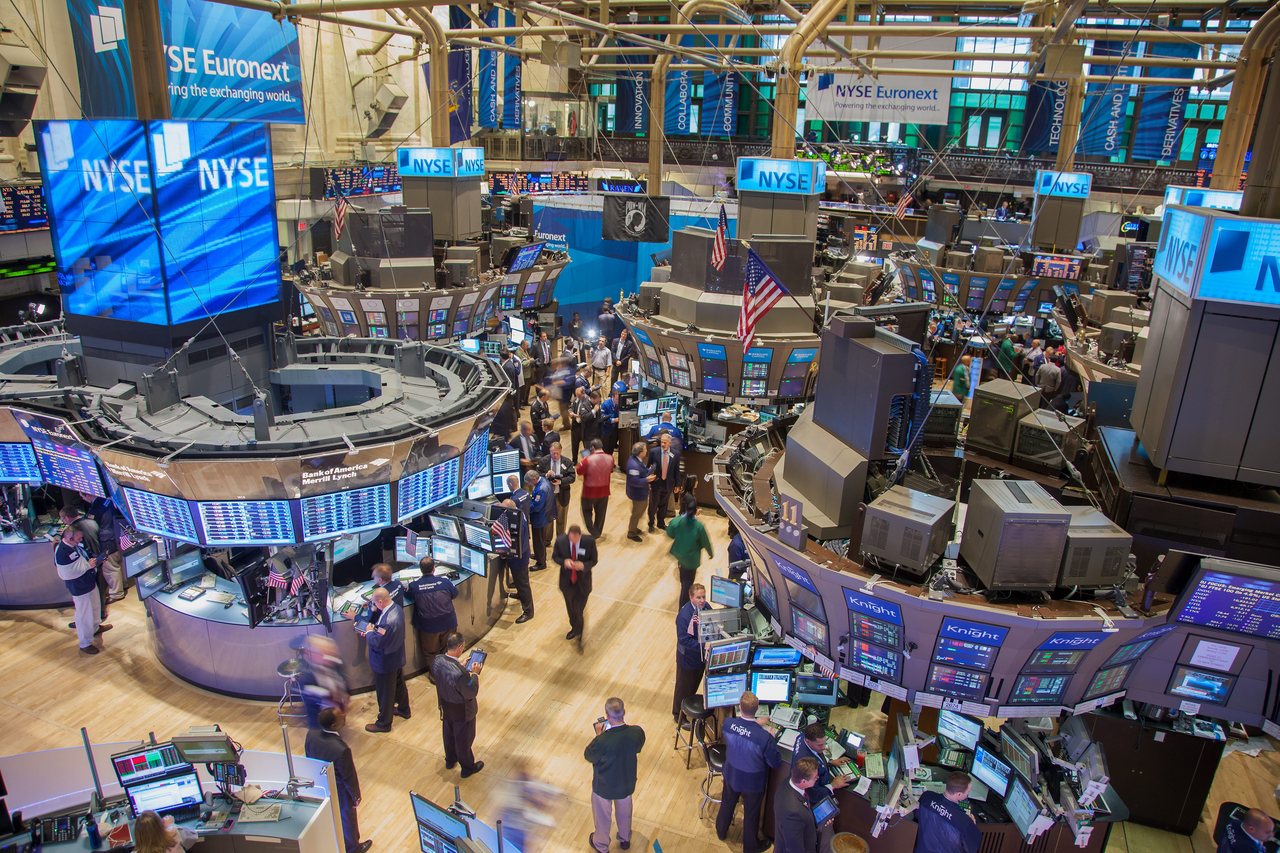
With US stocks reeling from a sharp selloff in AI-related shares, Wall Street is watching to see whether Black Friday — the year's biggest shopping event — can help turn market sentiment around. Technology stocks have tumbled on mounting anxiety over the AI industry's growth prospects, yet consumer spending, which accounts for roughly two-thirds of the US economy, has remained resilient. Wall Street sees the holiday shopping season, kicking off with Black Friday on Friday (local time), as a key test of whether the market can stage a rebound.
US equities have suffered a steep correction in recent weeks as concerns spread over the growth and profitability of AI-related companies. According to Bloomberg, the S&P 500 has fallen more than 10% from its Nov. 20 peak, giving back most of its gains for the year. Technology stocks, which had led the market higher on the back of AI investment enthusiasm, have now become a drag on the broader market.
Against that backdrop, investors are turning their attention to the American consumer. Consumer spending is the primary engine of US economic growth, so the holiday shopping season's results could serve as a critical indicator for assessing future corporate earnings and the broader economic outlook.
The National Retail Federation (NRF) projected that about 182.7 million people would shop online and in stores during the five-day period from Thanksgiving through Cyber Monday this year, suggesting that robust consumer demand will hold up despite elevated prices and financial market turbulence.
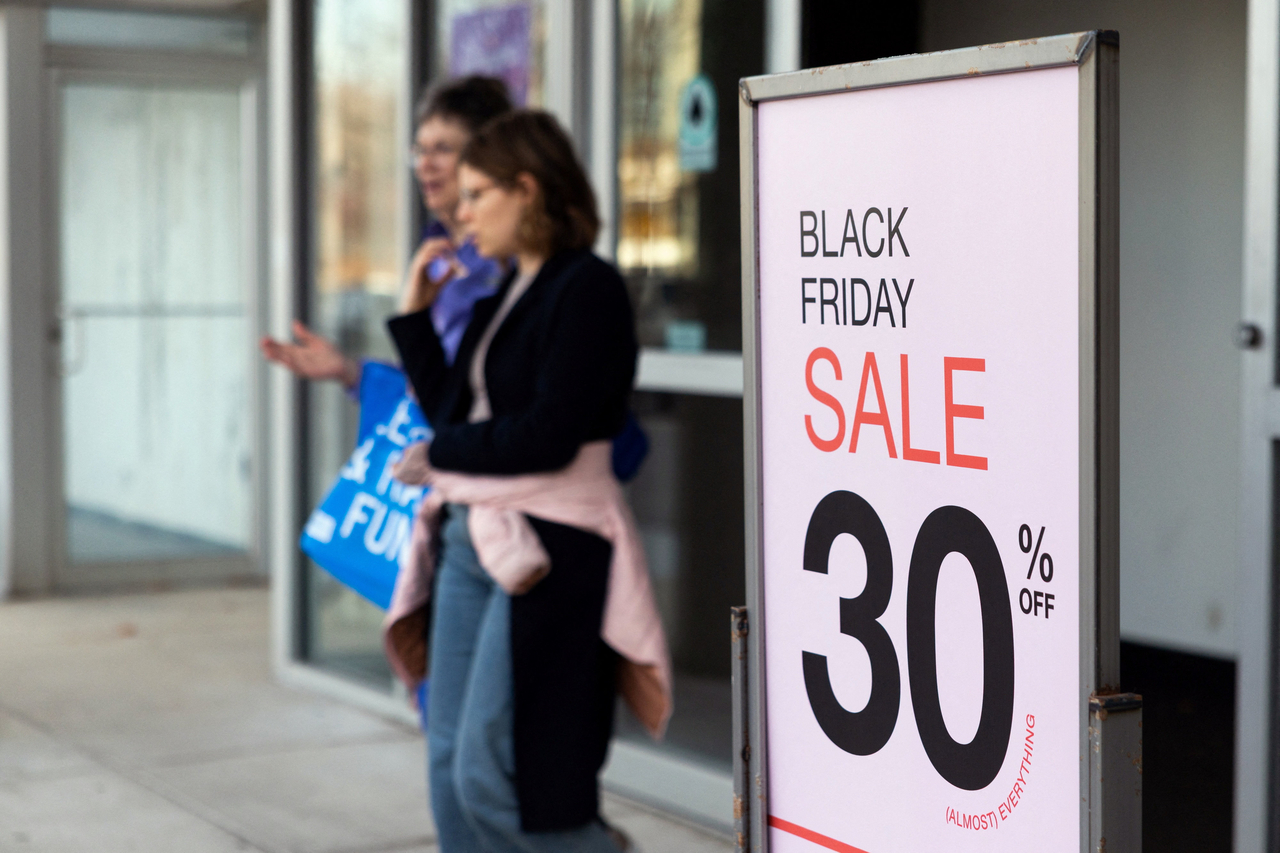
Black Friday is a pivotal event for US retailers' year-end results. With consumers snapping up electronics, clothing and household goods during major sales, actual sales figures serve as a key gauge of household purchasing power and consumer confidence.
Investor attention, long concentrated in AI-related stocks, may also broaden into retail and consumer goods sectors. If year-end spending comes in stronger than expected, rising earnings expectations for major retailers and consumer companies could help cushion the technology-led market decline.
The scale of the US market's drop has already exceeded the threshold for a standard correction. According to Reuters, the S&P 500 has fallen 11.6% from its all-time high recorded on Oct. 6, with technology stocks also posting steep losses. Skepticism has grown over whether the massive capital being poured into AI data centers will translate into real profits. The index fell for seven consecutive trading sessions, dropping below its 200-day moving average, a closely watched indicator of long-term trend.
The selloff was particularly concentrated in AI chipmakers on Nov. 20. Nvidia's share price plunged about 14% in a single session, while AMD and Micron each fell more than 13%. The tech-heavy NASDAQ dropped 5.3% that day, erasing all of its gains since the start of the year.
With AI-related stocks dragging the market lower, hopes are emerging that consumer spending could become a new catalyst for a market recovery.
Jim Baird, chief investment officer at Plante Moran Financial Advisors, told Reuters that "if consumption continues to hold up, it will be supportive of economic growth," adding that it "translates directly into higher revenues and profits for companies, and could serve as a new catalyst for investors across other parts of the economy beyond AI-related stocks."
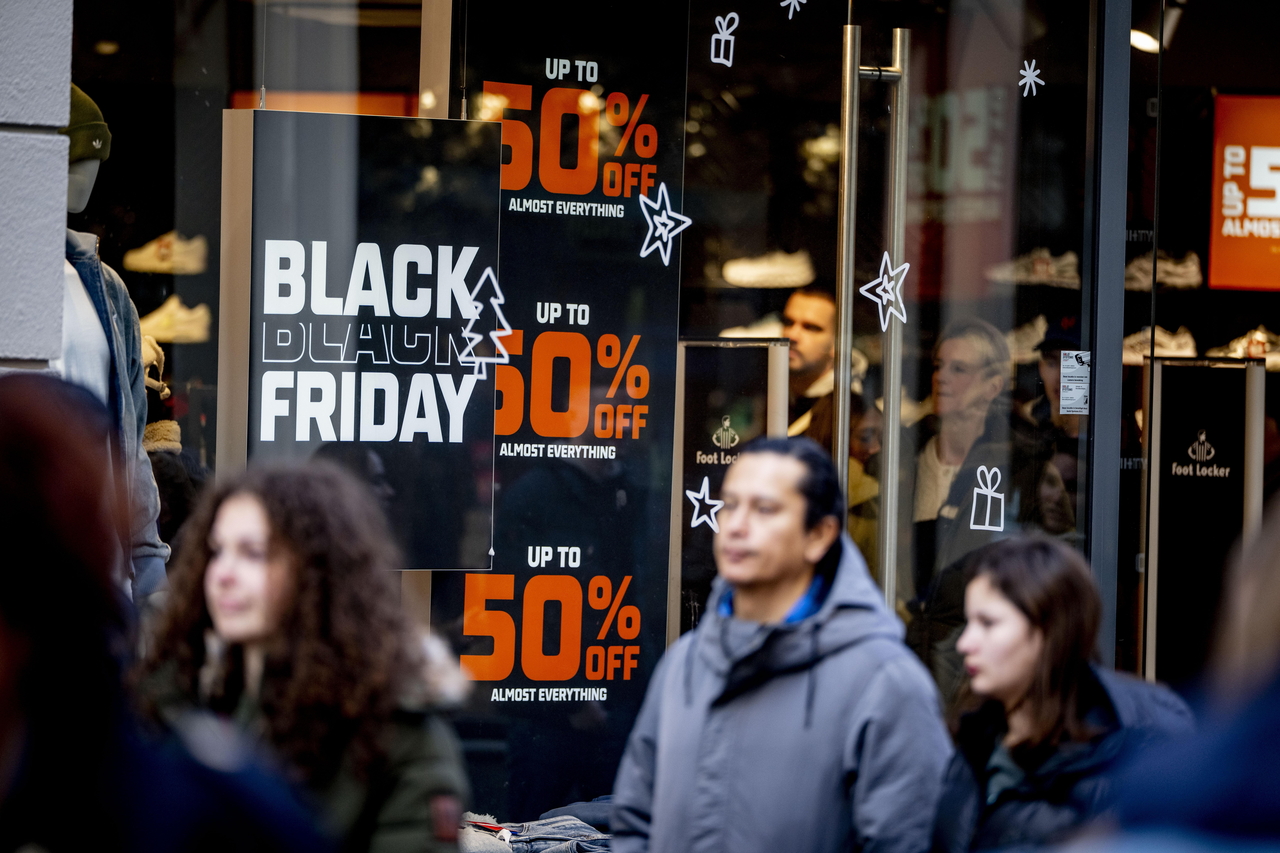
The outlook for year-end consumer spending remains relatively optimistic. Oxford Economics projected that US retail sales in November and December would rise 4.2% from the same period last year, with real sales growth — stripping out the effect of price increases — expected to reach 2.2%. The figures exclude sales of automobiles, gasoline and restaurants.
The NRF also forecast that US retail sales for November and December would climb 4.2% year-on-year to $1.01 trillion, which would mark the first time year-end retail sales have surpassed $1 trillion.
However, the number of consumers expected to shop during the Thanksgiving holiday weekend has declined from last year. The NRF projected about 182.7 million shoppers this year, down roughly 4.2 million from 186.9 million last year. Analysts attributed part of the decline to a shift in shopping timing, as retailers began rolling out major discounts as early as October rather than concentrating them at year-end.
About 126 million people are expected to shop on Black Friday itself, representing 69 percent of all holiday weekend shoppers. Of those, 89 percent are expected to shop online and 67 percent in physical stores. Cyber Monday is projected to draw about 66.1 million shoppers.
Yet higher sales figures do not necessarily signal an improvement in household purchasing power. Rising food and energy prices, along with elevated borrowing costs, continue to squeeze consumers' spending capacity. A sharp drop in stock prices could also erode household wealth, potentially dampening discretionary spending such as holiday gift purchases.
Jean Goldman, chief investment officer at Cetera Financial Group, told Reuters of concerns that rising gasoline, energy and food prices are weighing on consumers.
What Wall Street is watching is not just the volume of spending but its composition. Whether sales growth is driven solely by essentials or extends to discretionary categories such as electronics and clothing will shape assessments of how much financial room American households actually have.
sjy@heraldcorp.com