Rising grocery prices narrow the gap between cooking at home and ordering in
DoorDash and Uber Eats expand free delivery and beef up subscription perks
Amazon and Walmart join the fray, intensifying competition for American dinner tables
Bundled logistics and robot-cooked meals emerge as cost-cutting strategies
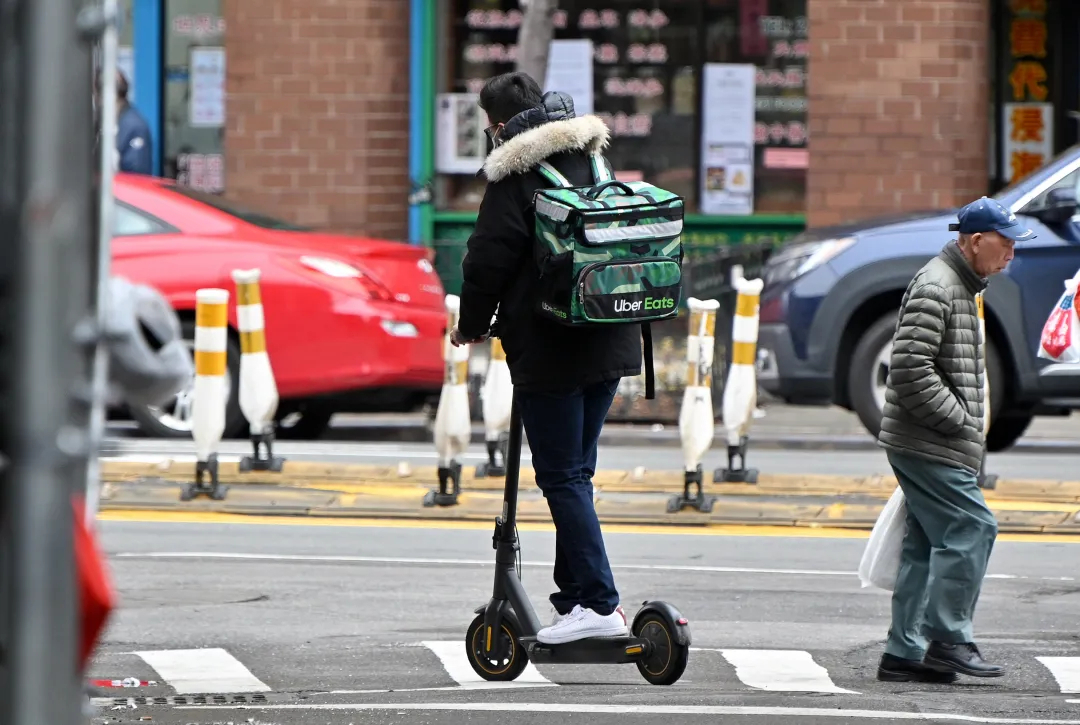
As rising grocery prices make home cooking more expensive in the United States, food delivery platforms are racing to cut delivery fees. Companies are expanding free delivery to more customers and bundling perks with ride-hailing and online shopping services. The competition for American dinner tables is intensifying as retail giants Amazon and Walmart join established players DoorDash and Uber Eats in the market.
According to the Wall Street Journal on Thursday (local time), DoorDash and Uber Eats — the dominant platforms in the US food delivery market — are broadening their free delivery offerings and strengthening benefits for paid subscribers. Newer entrants such as Walmart and Wonder are also moving in, combining food delivery with grocery delivery to carve out market share.
The surge in US grocery prices has made cooking at home costlier, shifting the price calculus in favor of delivery. Delivery and ride-hailing companies, whose share prices have fallen by double digits over the past year, have added urgency to the price war as they search for new growth engines.
Uber Eats teams up with Amazon; DoorDash expands into groceries
DoorDash agreed last month to acquire grocery delivery company Instacart for about $17 billion. The strategy is to build a large-scale platform spanning food and grocery delivery, gaining an edge on both price and convenience.
Rival Uber Eats fired back within a week, announcing free delivery on food orders of $25 or more for Amazon Prime members in the United States. Uber Eats replaced Grubhub as Amazon's food delivery partner under the new arrangement.
Amazon, which counts hundreds of millions of Prime members worldwide, estimated that US members could save more than $175 a year on food delivery fees through the partnership — enough to cover the annual Prime subscription cost and then some.
DoorDash countered by deepening its partnership with ride-hailing company Lyft, linking the two companies' membership programs to offer users free food delivery and allowing points earned on Lyft rides to be applied to food orders. Uber similarly bundles ride-hailing and food delivery benefits through its own subscription service, Uber One.
DoorDash and Uber each have tens of millions of customers paying roughly $10 a month for free delivery and various discounts. The strategy is to combine food delivery with ride-hailing, shopping and other services to increase how often customers use their platforms.
Delivery platforms are also expanding a service model that handles fulfillment for restaurants' own ordering channels. Under this arrangement, consumers order directly through a restaurant's official website or app rather than through a delivery platform, and the delivery company handles only the logistics.
Uber Eats signed such a deal with McDonald's earlier this month. Olive Garden and White Castle also use Uber Eats' delivery network. DoorDash offers a similar service to major restaurant chains including Chipotle and Wingstop.
Wells Fargo analyst Ken Gawrelski said the model applies a different fee structure from standard platform orders, giving restaurants room to pass cost savings on to consumers.
Walmart enters the race; Wonder bets on robot-cooked meals
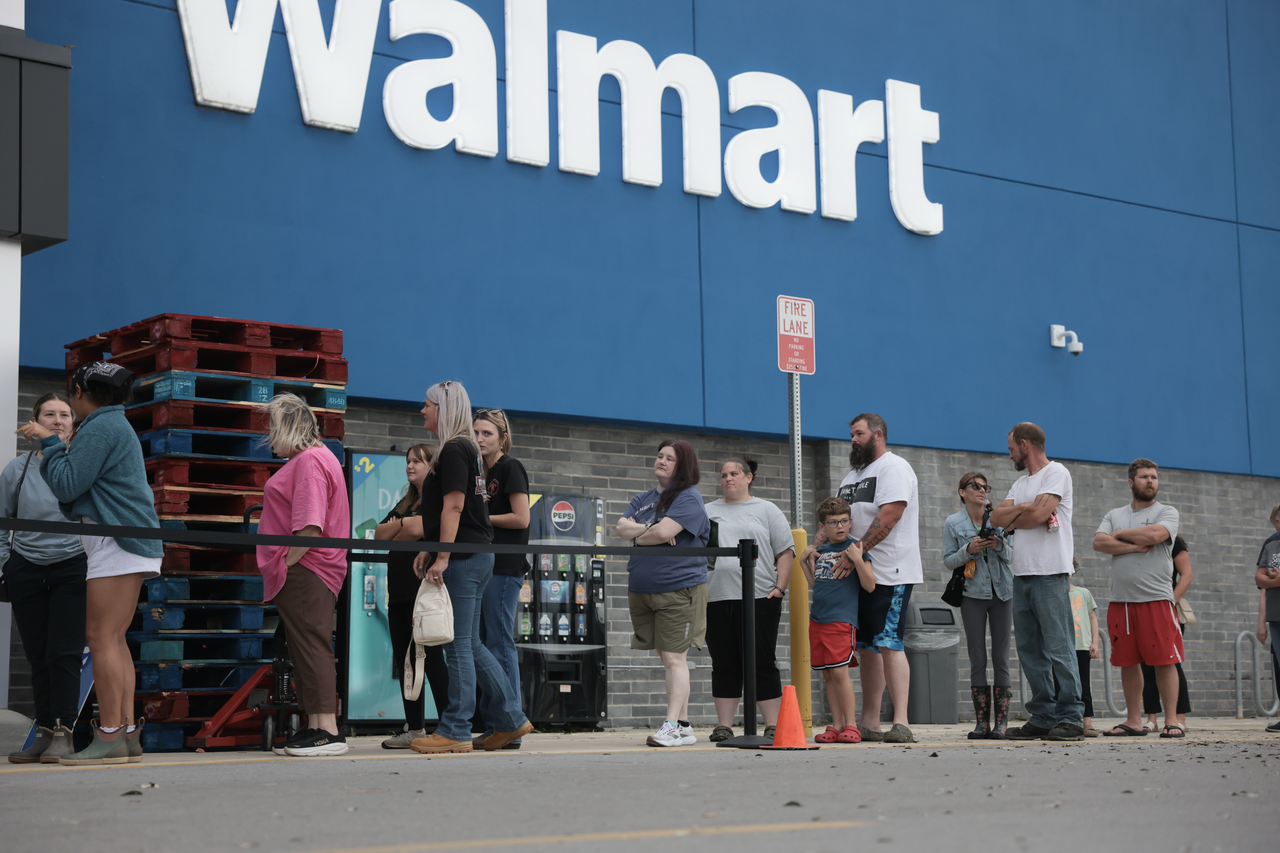
Walmart, the largest retailer in the United States, has also entered the food delivery market. This year the company began delivering meals from Subway, Dunkin' and Papa Johns by tapping its existing grocery and household goods delivery network.
The model bundles food orders with groceries and household items in a single delivery, improving logistics efficiency. By leveraging existing delivery infrastructure, Walmart aims to improve its own margins while also lowering costs for restaurants and consumers.
According to Mizuho analyst David Bellinger, Walmart charges consumers a flat delivery fee and offers discounts or free delivery to membership subscribers. Restaurants pay a relatively low commission on the condition that they do not raise menu prices for delivery orders.
Restaurants typically set delivery menu prices higher than in-store prices to offset the commissions they pay to delivery platforms. Walmart offsets part of its delivery costs through higher-margin businesses such as advertising.
"All of this is about continuing to grow transaction volume," Bellinger said.
Walmart has expanded its food delivery service to more than 2,700 restaurant partners and is pursuing additional deals.
US food delivery company Wonder is taking a different approach, using robots to lower the cost of food production itself. The company has introduced robots into the preparation of bowl-style dishes — meals combining salads and various ingredients in a single container — to reduce labor costs.
Wonder also plans to deliver ready-to-heat meal kits alongside regular food orders and to offer deliveries during off-peak hours.
Wonder CEO Marc Lore said the approach could bring the price of meal delivery below the typical cost of grocery delivery.
Once that price target is reached, "consumers will be able to sit back and let us handle all 21 meals a week," Lore said — envisioning a future in which all three daily meals are handled by delivery services.
Wonder also owns meal-kit company Blue Apron and food delivery platform Grubhub. However, the company has recently been exploring a sale of Grubhub and has reportedly approached major retailers including Walmart, Target and Kroger about a potential acquisition.
Whether the free delivery competition will translate into lower overall costs for consumers remains uncertain. Restaurants are under growing cost pressure from rising ingredient prices and set their own menu prices on delivery platforms. The Wall Street Journal noted that the price competition in the US delivery industry is focused more on reducing delivery fees and concessions than on lowering the price of food itself.
sjy@heraldcorp.com