"I've pulled it out every winter because it's so warm … "
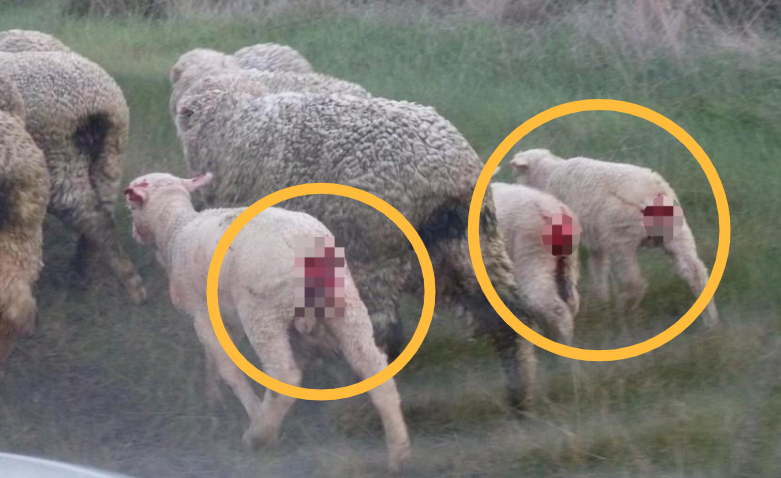
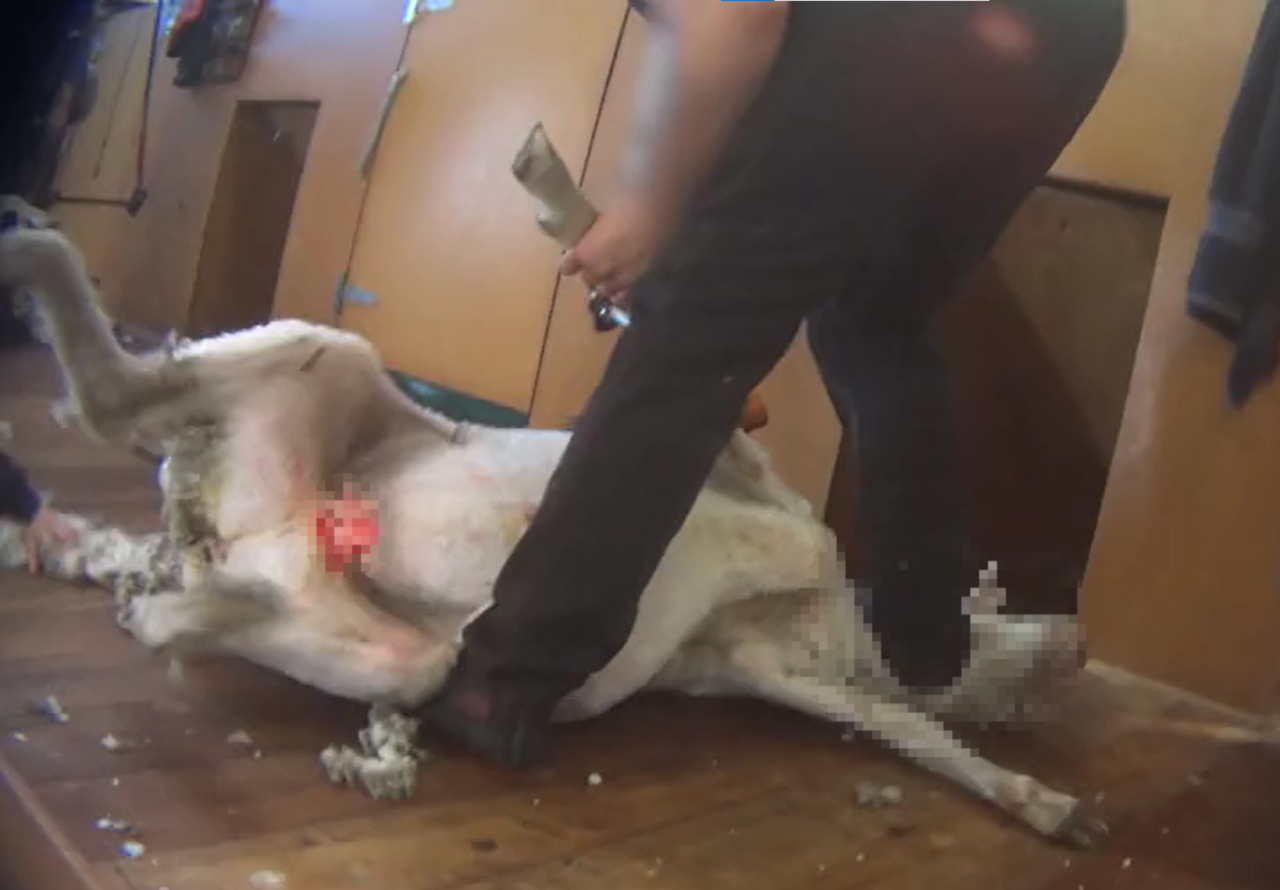
A lamb just weeks old is flipped onto its back and restrained. A worker takes scissors and cuts away a large section of skin around its hindquarters. No anesthesia. No painkillers.
Raw flesh exposed, the lamb cannot lie down from the pain and stands hunched. The wound takes five to seven weeks to heal. Some lambs do not survive.
It all comes down to human greed. Merino sheep have been selectively bred to have wrinkled skin that produces more wool — but those folds around the hindquarters attract flies and maggots, so farmers cut the flesh away entirely. The practice is called mulesing.
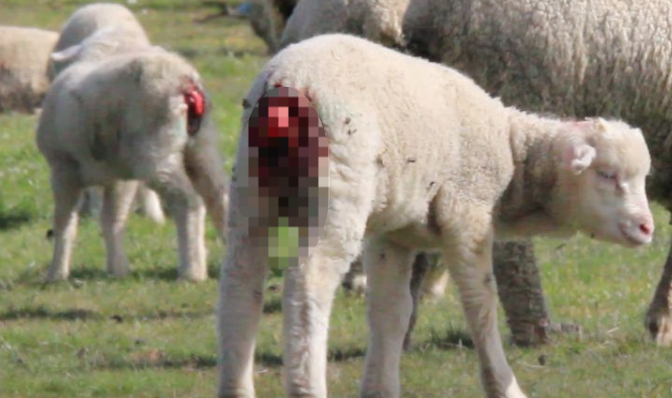
More than 10 million lambs go through the procedure every year in Australia alone, the world's leading wool producer. As controversy grew, global fashion brands pledged to source only mulesing-free wool — yet only 2 in 10 have followed through.
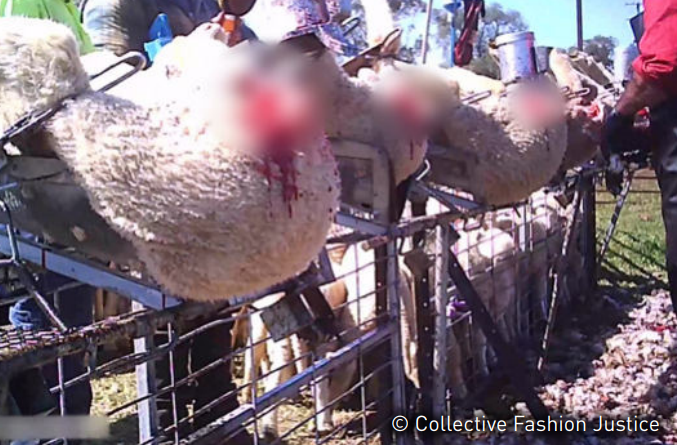
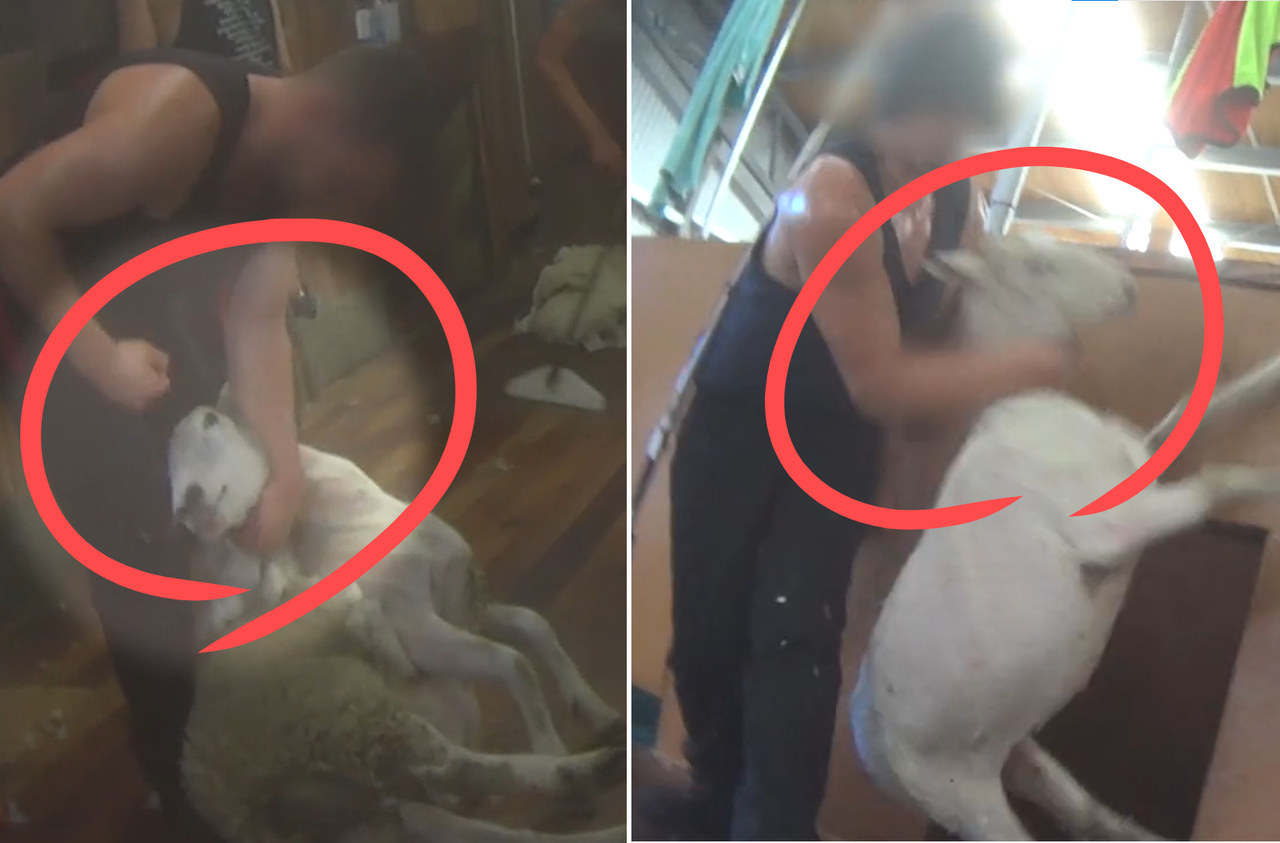
Abuse during shearing compounds the problem. Even on farms certified as "ethical," workers have repeatedly been caught on camera beating and stomping on sheep.
Animal welfare groups say the only real solution is to switch to plant-based materials such as cotton.
International animal welfare organization FOUR PAWS released its Fashion Animal Welfare Report 2026 on Oct. 27, evaluating the animal welfare practices of 332 global fashion brands.
According to the report, 64 percent of the brands surveyed had pledged to use mulesing-free wool, but only 20 percent had in practice filled their entire supply chain with certified mulesing-free wool — up just 7 percentage points from 13 percent in 2024. Only 8 percent of brands had committed to reducing their use of animal-derived materials altogether.
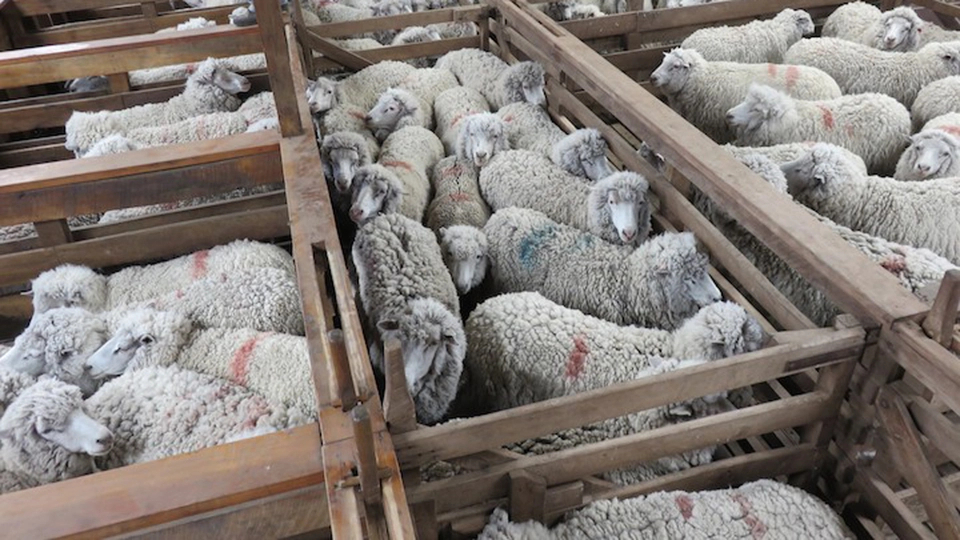
Last year's findings painted an even grimmer picture. A FOUR PAWS investigation of more than 100 fashion brands across 11 countries found that two in three had taken no action on mulesing. More than half of the wool used in clothing was linked to the practice.
Australia and New Zealand sit at the center of the problem. Australia supplies 80 percent of the world's merino wool — used in premium knitwear and other high-end garments — and mulesing remains legal and widespread there.
The procedure involves flipping a lamb between two and 12 weeks old onto its back, restraining it, and cutting a crescent-shaped section of skin from around the hindquarters and tail. The practice originated from the drive to produce more wool: merino sheep were bred to have heavily wrinkled skin that yields greater fleece.
The problem is that feces trapped in those hindquarter folds attract flies, which lay eggs that hatch into maggots and eat the living sheep's flesh. To prevent this, farmers cut away the skin entirely, leaving a smooth scar where wool no longer grows.
The pain is severe. The procedure itself is over in moments, but the suffering lasts days to weeks. Lambs cannot lie down properly and stand hunched, or avoid human contact for weeks — signs of abnormal behavior. Their gait and growth can be affected for up to three weeks.
Some lambs die. According to FOUR PAWS, one study of farms that practice mulesing recorded a mortality rate of 4 percent from the procedure.
Pain relief is not even mandatory. Most Australian states outside Victoria and Tasmania permit mulesing without painkillers. The Royal Society for the Prevention of Cruelty to Animals Australia estimates that about 20 percent of sheep that undergo mulesing receive no pain relief at all.
The controversy is not new. Under intense criticism in 2004, Australia's wool industry promised to end mulesing by 2010 — a deadline it ultimately abandoned.
According to Australia's sheep industry sustainability annual report, only 21 percent of merino wool declared in 2025-26 came from flocks that had never been mulesed or had stopped the practice. Eight out of 10 fleeces still came from mulesed sheep.
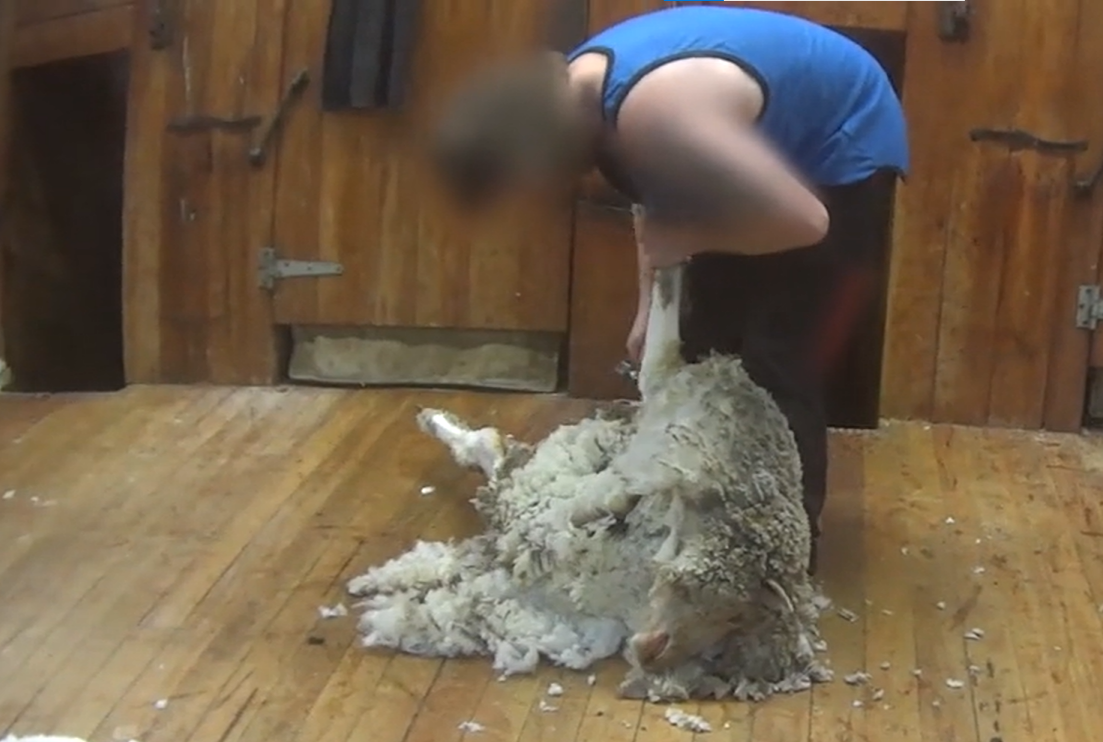
The problems do not end there. Violence during shearing persists — and New Zealand, which banned mulesing in 2018, is no exception.
Earlier last year, PETA Asia-Pacific released undercover footage from more than 30 wool shearing facilities in New Zealand. Eleven of them held ZQ certification, a label marketed as "the world's finest ethical wool."
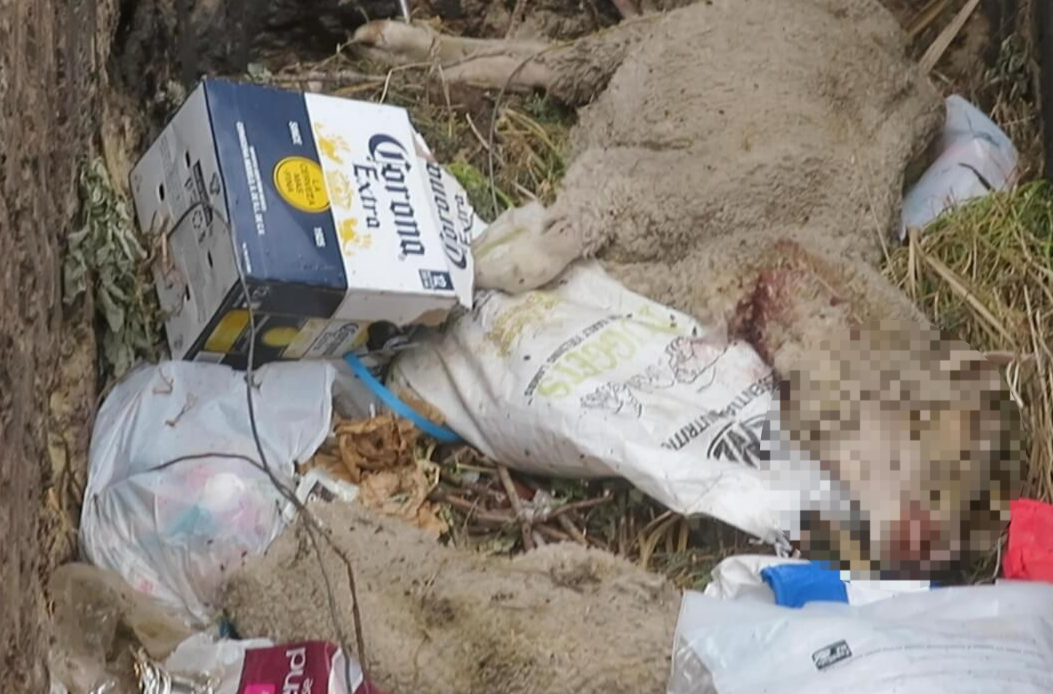
Workers in the footage punched sheep in the face, choked them and hurled them like cargo. Some slammed sheep's heads against wooden boards multiple times. Deep wounds caused by rough shearing were stitched with needles and no painkillers, and workers sheared wool from sheep that had suffocated to death in overcrowded pens.
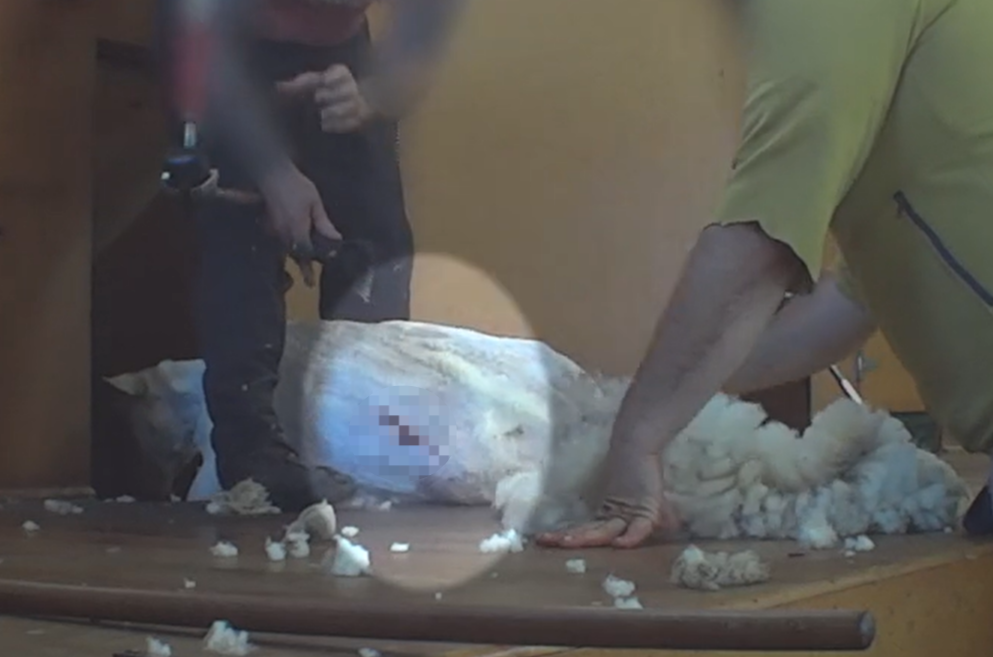
Speed incentives are widely cited as a driver of the abuse. Workers in New Zealand are paid 2 to 4 New Zealand dollars per sheep shorn, and skilled shearers process 200 to 400 animals a day. The pay-per-head structure creates pressure to work fast, which translates into rough handling.
About a year later, in April this year, similar scenes were documented in South Africa. Footage released by PETA Asia from a NATIVA-certified farm showed workers kicking and stomping on sheep and striking them in the face with shearing equipment. Lambs were dragged by their legs, and others were found abandoned with maggot-infested wounds.
The incidents highlight the limits of certification. FOUR PAWS itself acknowledges that certification cannot fully eliminate animal welfare risks. Of 12 animal welfare certification standards FOUR PAWS analyzed last year, 11 did not require the use of pain relief for painful procedures or injuries.
South Korea is not exempt. Knitwear marketed with animal welfare credentials — such as RWS (Responsible Wool Standard) certified wool — is readily available in domestic stores and online. But consumers have no reliable way to verify the origin of the raw materials.
Five domestic animal welfare and vegan organizations issued a joint statement in September calling on the industry to replace animal-derived materials with vegan alternatives and to establish a labeling regime for animal-derived ingredients.
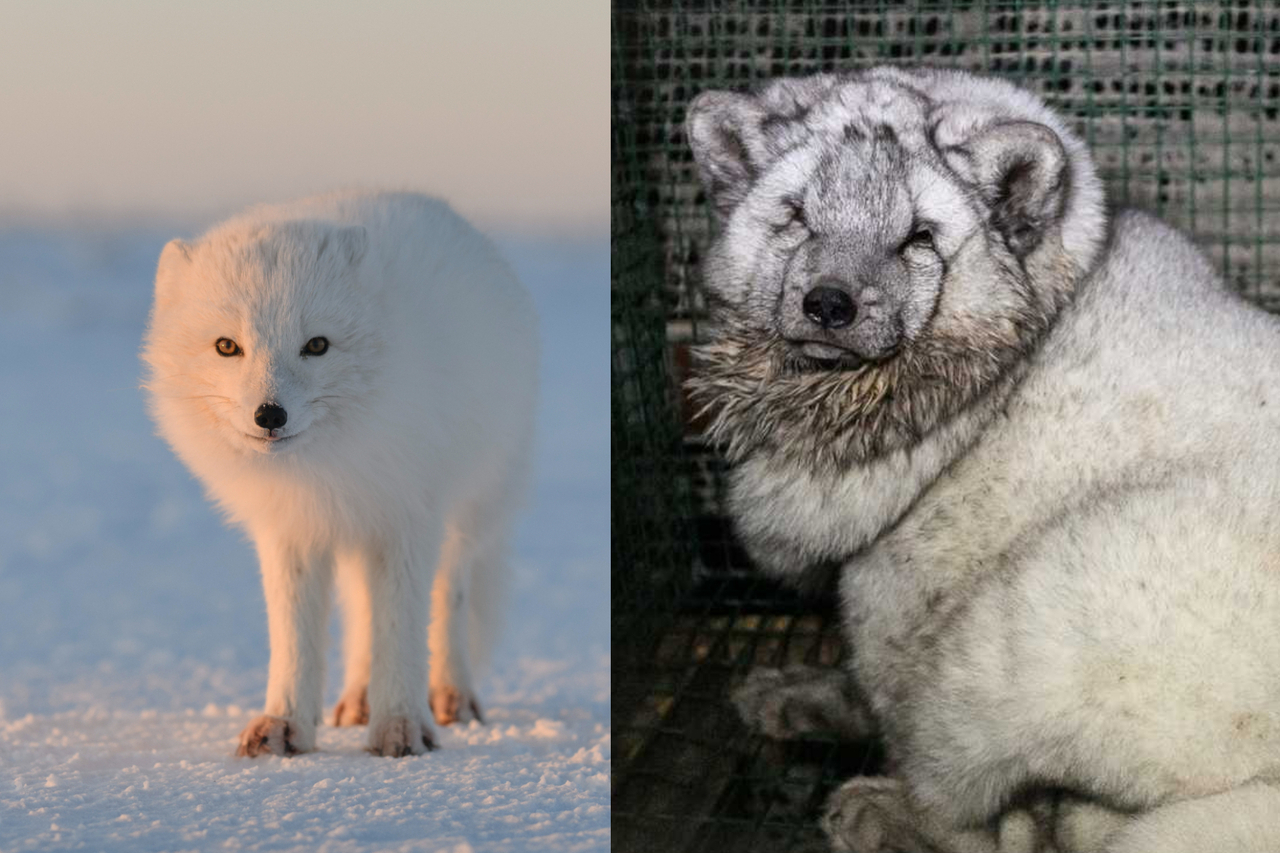
Plant-based wool is emerging as an alternative to animal-derived materials — knitwear made from fibers such as cotton, hemp, linen and lyocell (Tencel). PETA has designated November as "Plant-Based Wool Month" each year since last year, promoting yarns that contain neither animal products nor plastic.
There are also steps consumers can take right now. When buying clothes, checking the fiber content label for wool, cashmere, mohair or angora is a start. Simply wearing wool garments already owned for longer can reduce demand for new fleece.
Jessica Metcalfe, a fashion animal welfare expert at FOUR PAWS, said the fashion industry is moving in the right direction on animal welfare, but added: "Ultimately, fashion that uses no animals is always the most animal-friendly fashion."

woo@heraldcorp.com