Large volumes and reasonable prices draw cost-conscious Japanese consumers
K-coffee brands Mega, Compose and Paik's race to expand overseas

Korean-style large-format coffee is gaining traction in Japan, prompting a wave of South Korean coffee brands to enter the market. As rising prices squeeze household budgets, the generous portions and affordable price tags of Korean coffee are resonating with Japanese office workers' spending habits.
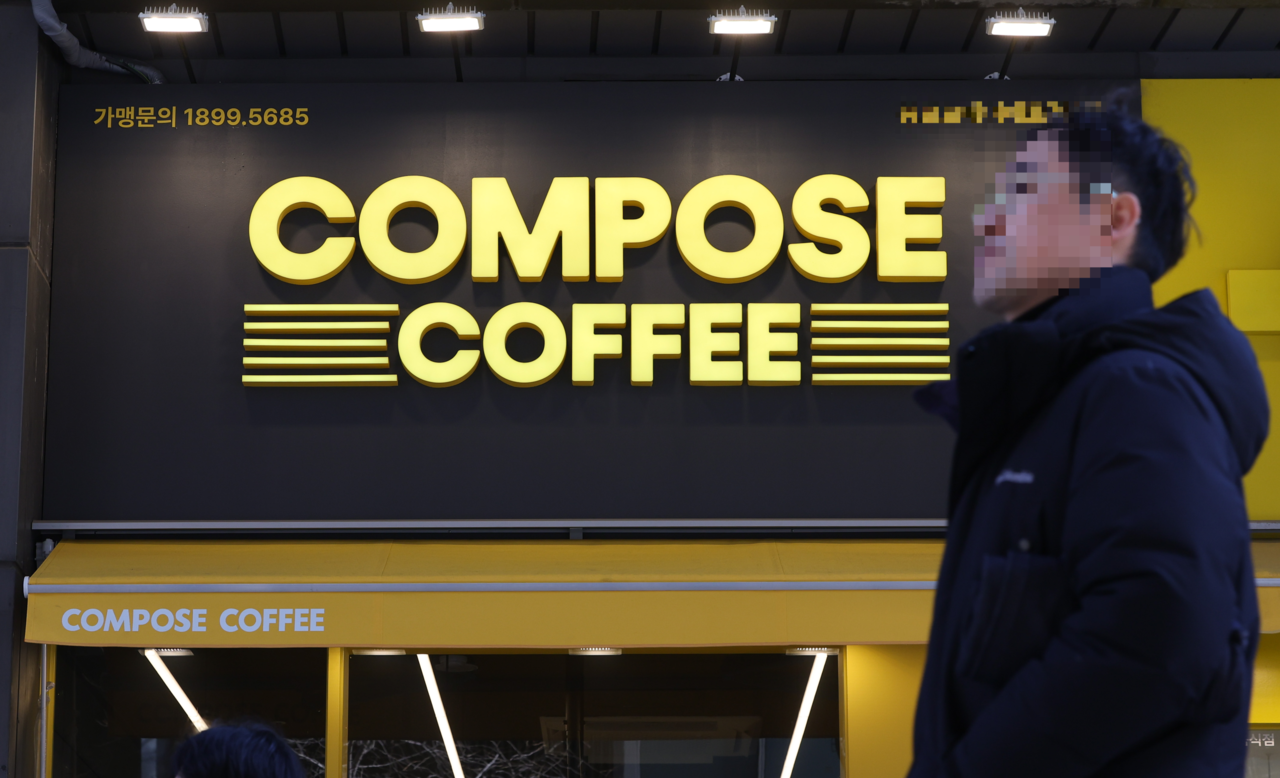
Industry sources say Compose Coffee is preparing to make its debut in Japan. The chain has begun construction on a store in Shinjuku, Tokyo. An opening date has not been finalized, but the brand plans to target high-traffic commercial districts near offices and entertainment areas.
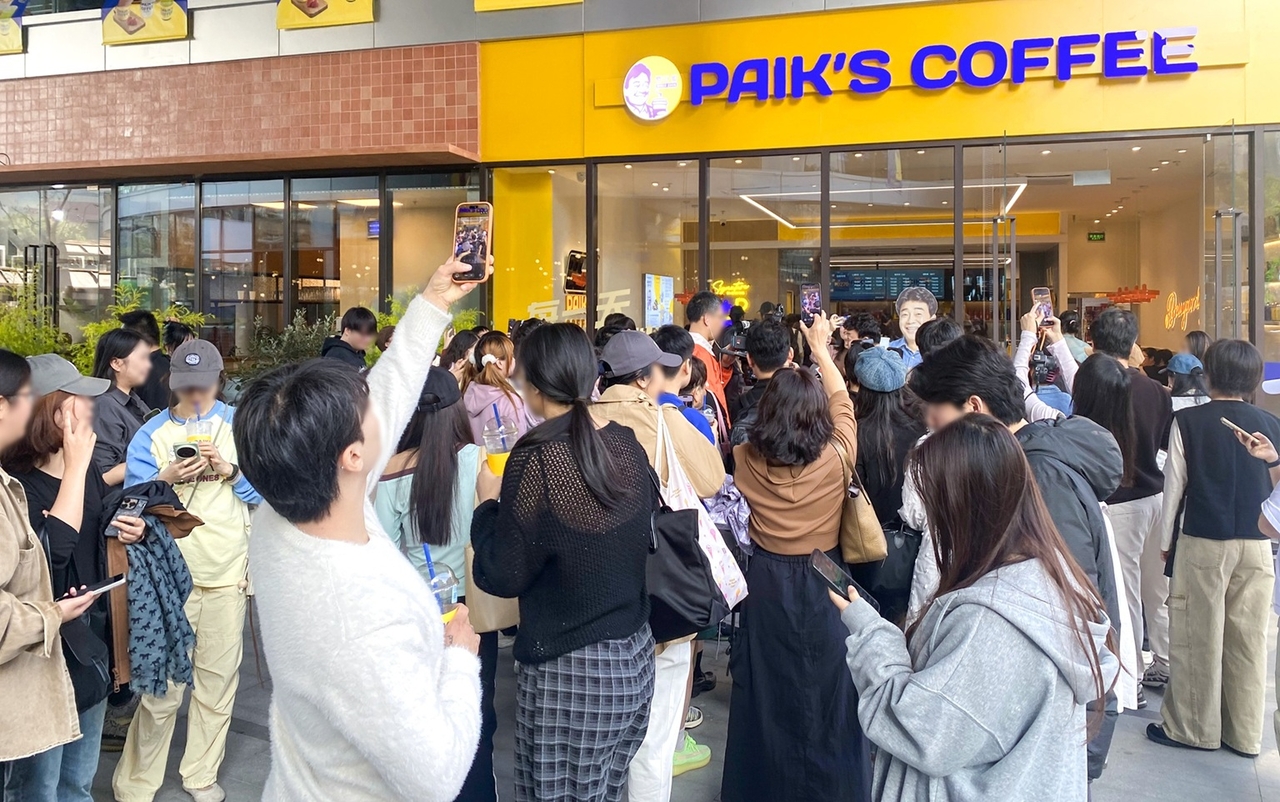
Paik's Coffee opened its first Japanese location in Shinbashi in August this year, followed quickly by a second in Kanda — joining Mammoth Coffee, which entered Japan in 2024. The two Paik's stores are each selling an average of about 1,000 drinks a day.
What these brands share is large serving sizes at accessible prices. The appeal of getting more coffee per cup aligns with Japan's increasingly cost-conscious consumer environment, where food prices have climbed steadily. Japan's Engel coefficient — the share of household spending devoted to food — has risen alongside food inflation. A household survey by Japan's Ministry of Internal Affairs and Communications showed the Engel coefficient for households of two or more people reached 28.6 percent last year, the highest since 1981. In August this year, it rose to 31.2 percent, up 1.1 percentage points from 30.1 percent in the same month last year.
Against that backdrop, Korean large-format coffee is emerging as a new consumer option. The Korean takeout-focused café model — where customers can grab a drink quickly — is fueling market expansion potential by matching the needs of local office workers.
Beyond Japan, a growing number of budget coffee brands are looking to other overseas markets for growth as competition at home intensifies. According to franchise disclosure documents filed with the Korea Fair Trade Commission, Mega Coffee's store count grew roughly tenfold — from 403 locations in 2018 to 4,016 in 2025. Compose Coffee expanded from 214 stores to 2,844 over the same period, while Paik's Coffee grew from 1,067 to 1,820.
Mega Coffee currently operates 14 stores in Mongolia and four in Cambodia, and is building a location in New York. Paik's Coffee is in talks to enter the United States, India and Turkey, in addition to Japan. Compose Coffee has already opened three stores in Singapore, four in Taiwan and one in the Philippines.
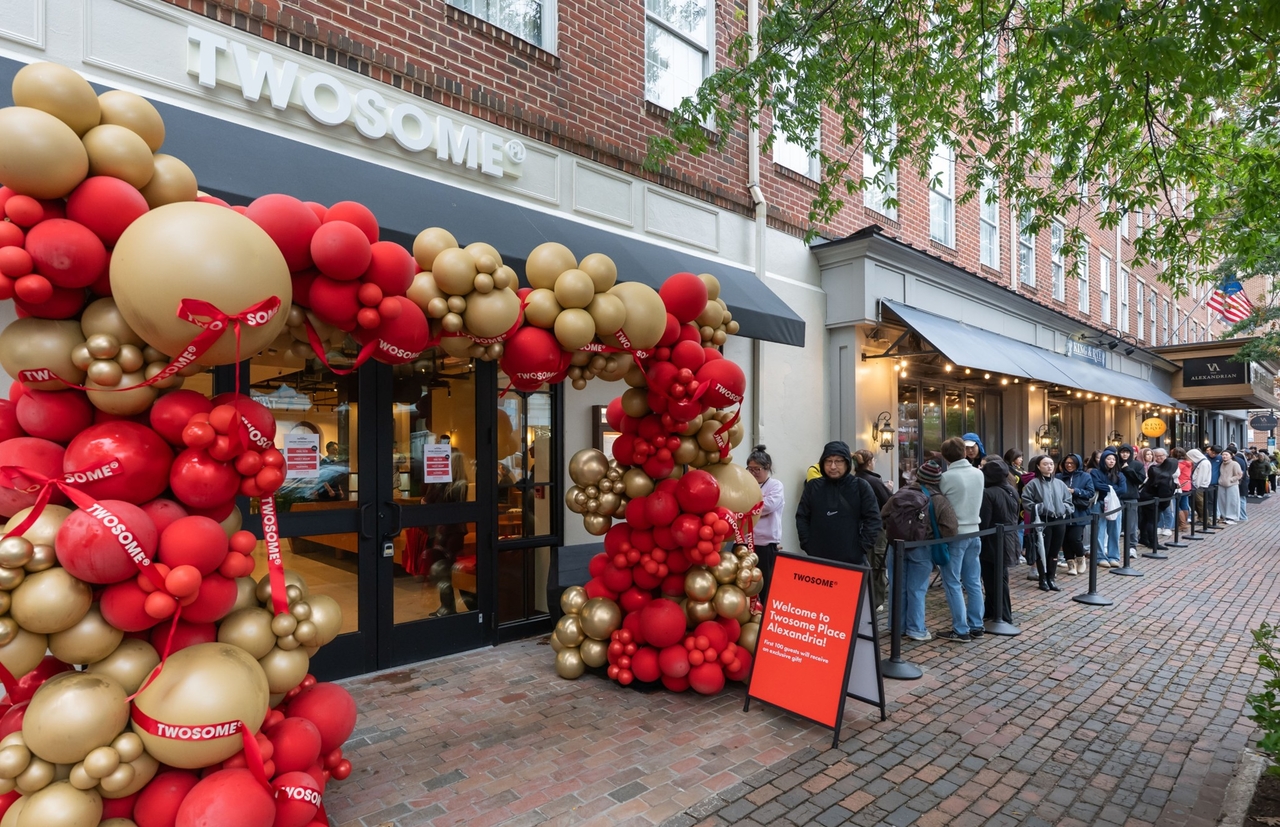
Mid-range and premium brands are also pushing into overseas markets. Twosome Place has taken aim at the United States, recording an average of 1,000 visitors a day in its first month of operation there. More than 60 percent of customers purchased a beverage alongside a dessert or deli item.
Ediya Coffee has expanded its international footprint to Guam, Malaysia, Canada and Laos. At its Canadian store, which opened in April, an Americano with an extra espresso shot ranked second in beverage sales as of October, while a salt bread item topped bakery and dessert sales — showing that menus popular at home are finding an audience abroad as well.
"Competition among brands in the domestic coffee market is growing fiercer, so the push to find new growth opportunities overseas is only going to continue," an industry official said. "It will be crucial to secure competitiveness by adapting the price advantages, menus and operating models proven at home to meet the needs of local consumers."

siuu@heraldcorp.com