Musculoskeletal disease processing time cut 34.7%, from 195.2 to 127.5 days
Efficiency gains achieved despite 12,207-case increase in caseload
AI adoption, disease-specific units and streamlined procedures drive improvements
Agency targets 120-day average processing time for occupational diseases by 2027
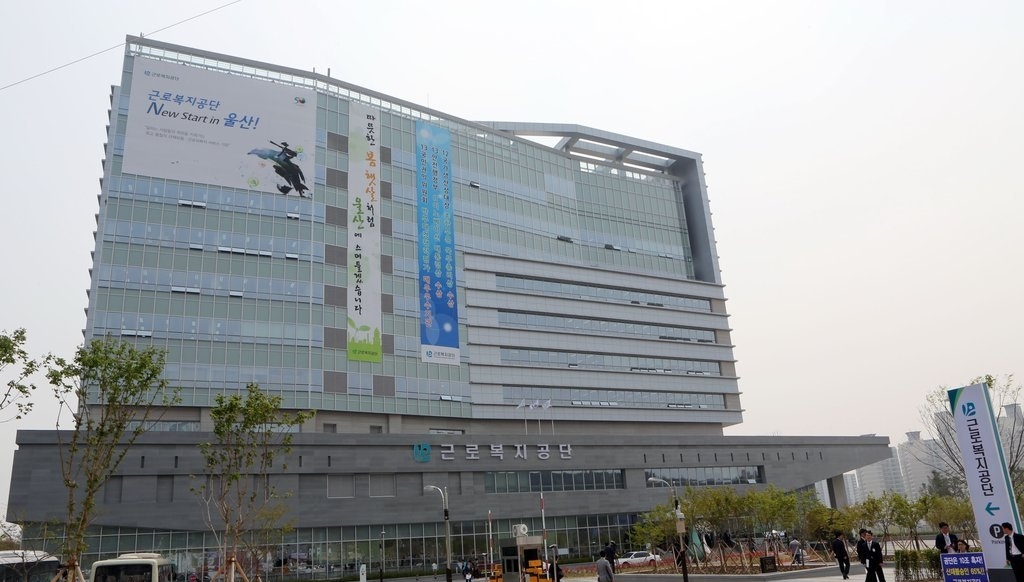
The Korea Workers' Compensation and Welfare Service has cut the average processing time for occupational disease workers' compensation claims by 57.5 days through AI technology and the creation of disease-specific units. Musculoskeletal diseases — which account for more than half of all occupational disease claims — saw processing times fall by more than a third even as the number of cases handled rose 44.4 percent.
The agency announced Sunday that it received the grand prize at the 2026 Organizational Innovation Awards, hosted by the Korean Association for Organization Studies, on Friday.
The Organizational Innovation Awards were established this year for the first time to identify and promote outstanding examples of organizational innovation in the public and private sectors. The agency took the top honor among 10 winning organizations, recognized for improving its occupational disease processing system through three areas of innovation: AI, organizational restructuring and workflow procedures.
The agency redesigned its existing workflows and organizational structure to address processing delays caused by a surge in occupational disease compensation claims.
It integrated AI and other digital technologies across its workers' compensation operations to improve both accuracy and speed. The agency also restructured its organization and staffing by establishing disease-specific units and expanding its specialist workforce, enabling more expert investigation and review tailored to each disease type.
The agency focused on processing musculoskeletal diseases — which make up more than half of all occupational disease claims — while also developing standardized disease investigation guidelines for 32 high-claim occupations and simplifying epidemiological investigation procedures.
As a result, as of September this year, the average processing time for occupational diseases excluding noise-induced hearing loss fell from 203.2 days to 145.7 days, a reduction of 57.5 days, or 28.3 percent. For musculoskeletal diseases, the average processing time dropped from 195.2 days to 127.5 days — a cut of 67.7 days, or 34.7 percent — even as the number of cases handled increased by 12,207, or 44.4 percent.
The Korean Association for Organization Studies praised the agency for going beyond simply expanding its workforce or redistributing tasks, instead linking AI technology, disease-specific specialist units and improved workflows to deliver workers' compensation service improvements that the public can feel directly.
The agency plans to continue developing its AI-driven operational innovation and disease-specific processing systems to meet a national policy goal of reducing the average occupational disease processing time to 120 days by 2027. The aim is to ensure that injured workers receive compensation quickly so they can focus on treatment and returning to work.
Park Seung-heup, president of the Korea Workers' Compensation and Welfare Service, said the award reflects the collective efforts of all staff to build workers' compensation services that the public can genuinely feel. "Going forward, we will actively leverage AI technology and consistently innovate our organizational structure and work processes to shorten occupational disease processing times, and advance as an agency that stands with the people — taking responsibility for injured workers from treatment all the way through to their return to society," Park said.
fact0514@heraldcorp.com