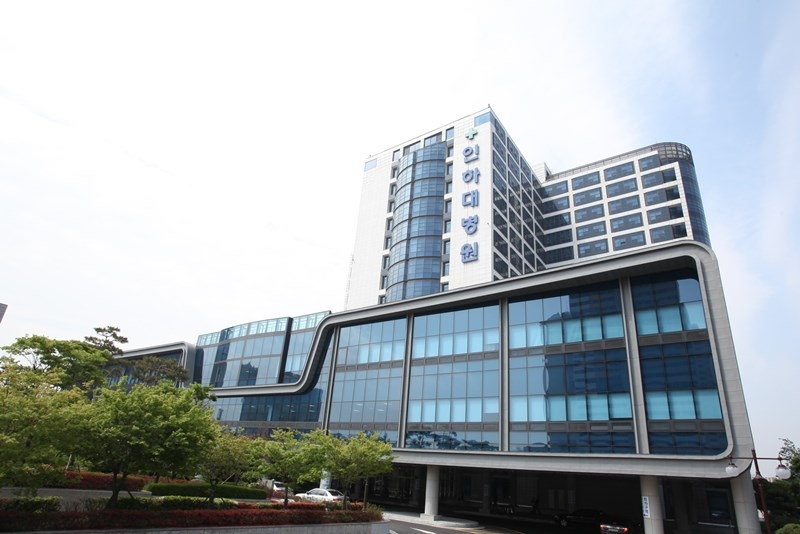
Inha University Hospital has received the top rating in both the acute stroke care evaluation and the drug benefit appropriateness evaluation, reaffirming its clinical capabilities and prescription standards.
The hospital announced Monday that it scored a perfect 100 points in the Health Insurance Review and Assessment Service's "2024 (11th) Acute Stroke Care Appropriateness Evaluation," earning a first-tier rating.
The hospital has maintained the top rating for 11 consecutive evaluations since the assessment was introduced, demonstrating sustained excellence in stroke treatment.
Inha University Hospital also received first-tier ratings across all categories in the drug benefit appropriateness evaluation. The assessment examines whether medications — including antibiotics and injectable drugs — are being prescribed appropriately during outpatient care, and is designed to reduce unnecessary drug use and improve the quality of medical services.
The hospital's antibiotic prescription rate was significantly below the national average, demonstrating appropriate prescribing practices. Its rate for acute upper respiratory tract infections stood at 7.91 percent, well below the national average of 43.54 percent across all medical institutions. For acute lower respiratory tract infections, the rate was 8.92 percent, far lower than the national average of 58.92 percent.
A lower antibiotic prescription rate indicates that unnecessary antibiotic use is being reduced and that evidence-based practice is being followed.
Lee Taek, president of Inha University Medical Center and Inha University Hospital, said the strong results in both acute stroke treatment and medication management were "the result of our medical staff consistently following standard clinical guidelines."
The evaluation covered 268 tertiary and general hospitals nationwide and ran from October last year through March this year.
The assessment comprised eight indicators: whether a dedicated stroke intensive care unit is in operation; the speed of intravenous thrombolysis and endovascular thrombectomy; the timeliness of subarachnoid hemorrhage treatment; the rate of early rehabilitation and functional assessment; the incidence of pneumonia during hospitalization; and the 30-day mortality rate.
gilbert@heraldcorp.com