The collaboration uses Galux's AI protein design platform to generate novel antibodies through de novo design, combined with Dong-a ST's linker-payload technology, targeting untapped disease targets for best-in-class drug development
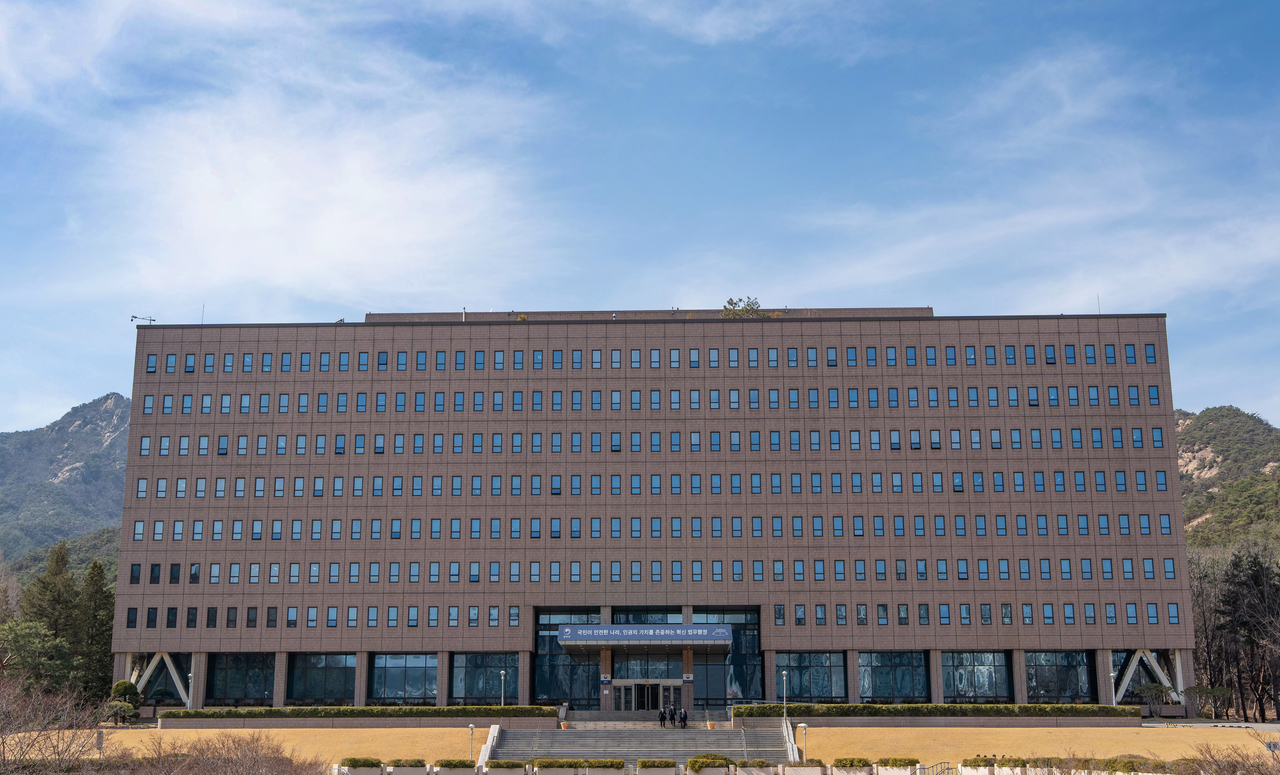
![An exterior view of Dong-a ST's headquarters. [Provided by Dong-a ST]](https://wimg.heraldcorp.com/news/cms/2026/10/01/news-p.v1.20250220.0a698b8cd0694471ba140e1dfd64ec43_P1.jpg)
Dong-a ST has teamed up with an AI protein design biotech to identify next-generation antibody-drug conjugate (ADC) drug candidates targeting previously unexplored disease targets.
Dong-a ST announced Thursday that it signed a joint research agreement with AI drug development company Galux to develop new ADCs.
The agreement aims to combine Dong-a ST's ADC research capabilities with Galux's AI antibody design technology to produce differentiated drug candidates for disease targets that currently have no approved treatments.
An ADC is a complex therapeutic that links an antibody — which identifies target cancer cells — to a cell-killing payload via a chemical linker. The antibody is considered the critical component, as it determines selectivity for cancer cells and the efficiency of targeted drug delivery.
In the research, Galux will deploy its proprietary AI protein design platform, GaluxDesign, to generate novel antibody candidates for ADC applications. The platform uses a de novo approach, designing the desired function and structure from the outset based on the physicochemical properties of the target protein.
Dong-a ST will contribute its accumulated ADC platform technologies and linker-payload development expertise to validate the ADC applicability of the generated antibodies and oversee subsequent candidate development. The two companies aim to develop a best-in-class drug through the collaboration.
"We will contribute to differentiated drug development by generating antibody candidates that are difficult to obtain through conventional experiment-based methods," said Galux Chief Executive Park Tae-yong. Oh Yoon-seok, executive vice president at Dong-a ST, said the company would "systematically verify the potential of new target development by integrating AI design into ADC R&D and build a competitive pipeline."
The partnership has drawn attention to whether the two companies can secure a first-mover advantage in best-in-class ADC treatments for previously untreatable cancers — areas where conventional antibody discovery methods have struggled to make inroads — by applying AI-driven custom design to unexplored oncology targets.
silverpaper@heraldcorp.com